
Farmers Asked To Flood Fields For Migratory Birds #oilspill
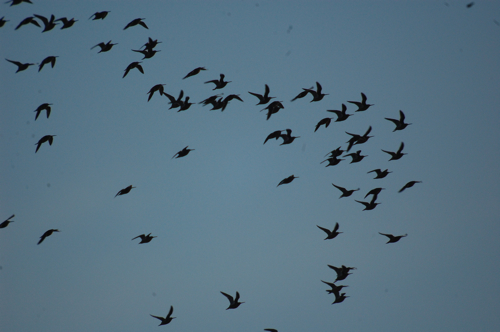 It's July. Shorebird migration is upon us. That's right, bird migration starts in July as shorebirds (like the above dowitchers) leave their breeding grounds in the Arctic, work their way down south. In Minnesota, we'll see more shorebirds towards the end of the month and into August as they forage in flooded fields and sod farms. For many of us who love these birds, this will be bittersweet as we watch them, knowing they are headed south to the Gulf of Mexico. These birds have no idea of what they are flying into and the dangerous oil covered forage they will find (if they find food at all, who knows what will be available after the die off kicks in).
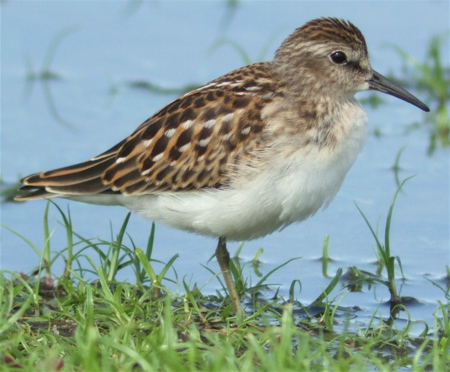
In an effort to help birds like the above least sandpiper (which are about the size of a warbler) a federal conservation agency is asking farmers in 8 states to flood their fields to create migration habitat for the birds to fuel up on food for their long journey. From the L.A. Times:
The Migratory Bird Habitat Initiative will pay to use up to 150,000 acres of land "to provide feeding, loafing and resting areas for migratory birds," according to an announcement by the Agriculture Department's Natural Resources Conservation Service.
The program applies mainly to former wetlands and low-lying land in Alabama, Arkansas, Florida, Georgia, Louisiana, Mississippi, Missouri and Texas. Conservation officials are hoping to attract birds to safe areas before they land on shores and wetlands contaminated by the massive oil spill.
Landowners would be expected to flood fields and promote the growth of vegetation favored by migratory birds, or to enhance existing wetlands on their properties, for three to five years, said NRCS spokeswoman Chris Coulon.
Rice fields and fish farms are particularly suited to the initiative.
For birds, "it's an alternative so they'll have a lower probability of landing in areas affected by the oil spill," Coulon said.
Up to $20 million has been allocated for the initiative, but how much actually is spent depends on farmers' response, she said.
Will this actually work? Who can say, but it can't be a bad thing to improve migratory bird habitat regardless of an oil spill.
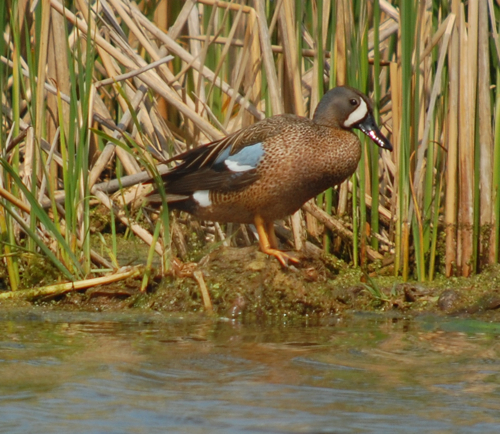
It's not just shorebirds that will benefit from this. As much as I love shorebirds, I know many average people have little idea that these birds exist, let alone visit and in some cases breed in Minnesota. This will also benefit many species of ducks like the above blue-winged teal as well as warblers, hummingbirds, orioles, buntings--all sorts of birds that feed in similar habitat to ducks and can be found in our backyards.
Do you know any relatives or friends of the family with farms in these states? Touch base with them, find out if they are aware of the program and if they are willing to sign up.