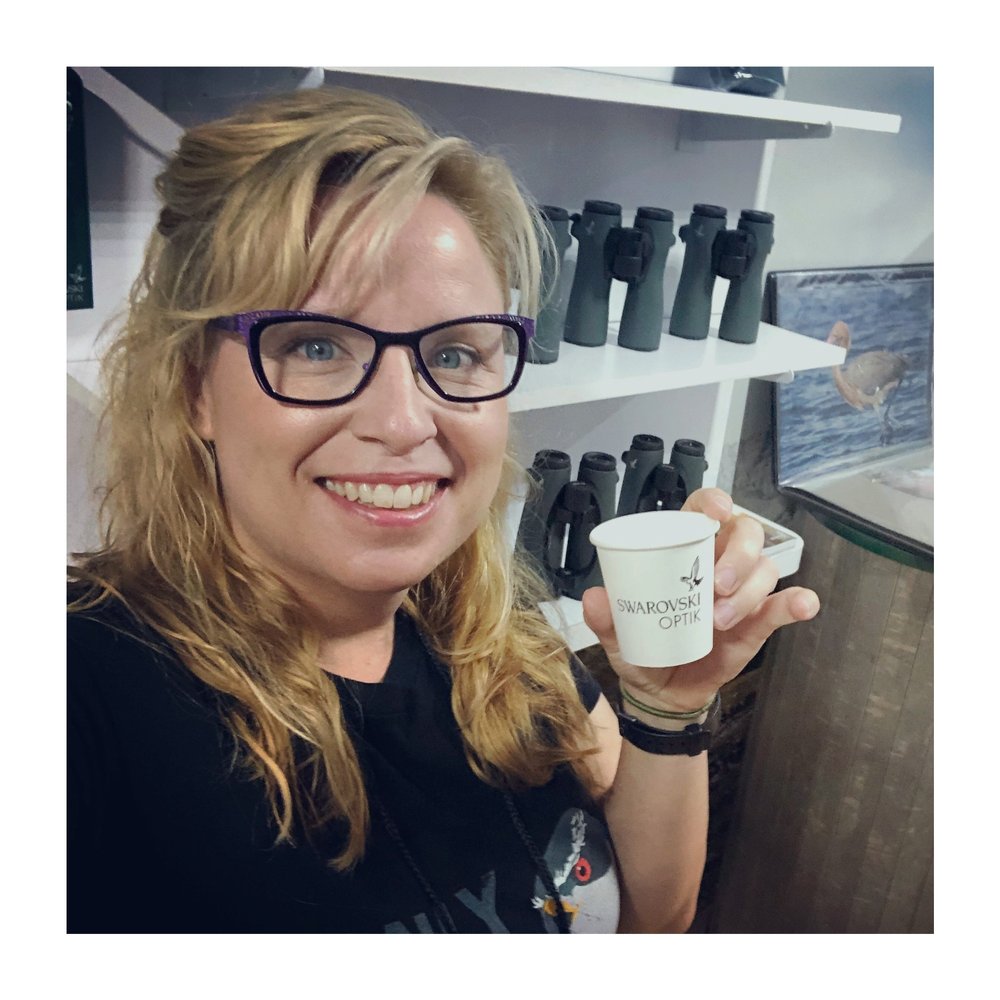
I would have put money that the missing billboard gull was in a college dorm (or hiding in a landfill with proper gulls) but was recovered in a basement in Pine City. It's misidentified status appears to remain the same.
Rainy Weekend At The Hawk Banding Station
 Minnesota was a little on the dry side this summer and autumn appears to be hell bent on making that up. It is non stop rain and that was certainly the case at Frank Taylor's banding station this weekend. Not that I mind, last weekend was great and we got in a good number of birds and we got to watch some great hawk flights and dives. And at the end of the day, a slow and rainy day in the blind beats any day behind a desk (and wearing uncomfortable government pants) so I was just happy to be there. The camaraderie was great and Frank let Amber and I sleep in his trailer. There's nothing quite like hearing the patter of rain on the roof to put you right to sleep.

I thought for sure with the rain that we would get a peregrine in the nets--or at least see one, but alas we got skunked on the peregrine front. We did see a few merlins and one little tiny passage (hatch year) male came right in--and he was literally half the size of the pigeon. Ah, young males, so impetuous, they think they can take on the world...or at least a ginormous pigeon.

As we were about to let the merlin go, the rain picked up again--you can see it bead up on his head. He looks like he's screaming, "Okay, you have your darned photos, let's get this show on the road. Let me go!" And we did.

We did get in a few sharp-shinned hawks like the above adult male. I think we banded a total of four birds while I was there all day Saturday and for half the day on Sunday.

This sharp-shin is about to get a band on its leg. Considering how few birds we saw on Saturday, that wasn't a bad average. The rain kept raptors out of site. We did have a TON of migrants around us. The woods were still chock full of red-breasted nuthatches, yellow-rumped warblers, black-capped chickadees, ruby-crowned kinglets and palm warblers. You can see photos of some of those birds at my buddy Amber's blog. They were very responsive to pishing. I stood in the woods behind the blind, pished a little and the whole mixed flock dropped from the trees and eyed my warily. One red-breasted nuthatch landed briefly on my hat...of course, I did not have my camera with me. We also had a bunch of lapland longspurs flying around in front of us and it was amazing to watch them disappear into the grass when the flock finally landed. American pipits called frequently from overhead as they too worked their way south.


Adult sharp-shinned hawks are a thing of beauty with their orange fronts and dark blue backs, accented by a red eye. Even though we did not get many in, the few adults that landed in the nets were a treat to see up close. Normally, when we let birds go, I like to lay underneath the releaser and get a shot of the bird in flight from below. Usually, the releaser opens their hand on a count of three and the bird bolts.

This particular sharp-shinned hawk wasn't ready. It paused, just for a moment. I love the way it's looking behind, as if to say, "What now? You thought you wanted me to flap on five?" Don't worry, true to accipiter form and this bird's folk name of Little Blue Darter, it flapped in plenty of time and dove into the woods.

This was a passage (hatch year) male. Look at his little chicken legs! These hawks are so tiny in hand (blue jay sized) and are really skinny--like David Bowie circa Diamond Dogs skinny.
I hope I get to make it up one more time...I did not get a good goshawk fix at the blind.
Grand Marais Is Missing A Gull...and possibly their marbles
For the last few years, there's been a somewhat jarring billboard that a birder can see on their way from the Twin Cities towards the North Shore. It's at the Pine City exit and I always noticed it on my way to Duluth, MN. It's an ad for the lovely town of Grand Marais but it had a HUGE gull on it. Here's a picture from the Grand Marais site:
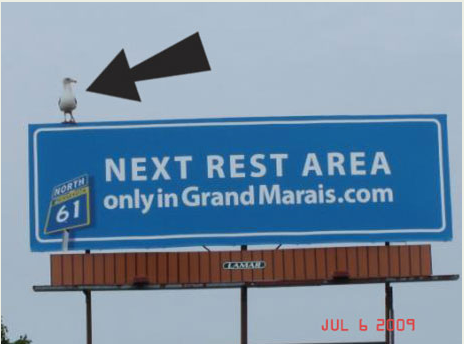
Many birders driving north had noticed the gull because it's a photo that's been blown up. As you go past at 65 mph, you notice a large bird shape, then glance and find that it's some sort of gull and it's just barely real enough that you think, "Holy crap! What species is that? It's too big!"
Then you realize it's a fake gull and continue driving and scanning for red-tailed hawks.
Apparently, this infamous gull has been stolen. It's such a big deal that it's a top story on the official Grand Marais website. They either want the gull itself back for a reward, or some smart person has decided to take the story for some publicity and want people's thoughts on what happened to the bird. You can submit gull sightings, you can follow the gull reports on Twitter, you can even write up a story of what you think happened and win a free vacation (which isn't bad, it's a great spot for birding).
I'm not exactly sure what species the gull was on the billboard, it had yellow feet and they have a TON of ring-billed gulls--so a ring-bill would make sense. But herring gulls are regular in Grand Marais. You can find unusual species of gull like the slaty-backed gull that showed up in 2006 (wow, was that really three years ago? Sheesh time flies).
Grand Marais has some tools to help you find the gull...like a Missing Gull Poster. Here' s an excerpt:
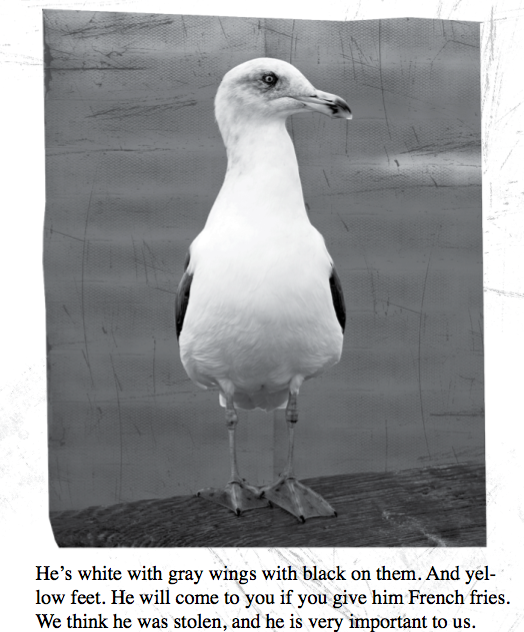
Granted, the poster is in black and white, but does that gull above look like it has gray wings? Those look rather dark. As a matter of fact...if this is based on the actual photo that was on the billboard...was the gull in fact a lesser black-backed gull or greater black-backed gull? Where's Alvaro Jaramillo? We need him to help in the gull id!
Grand Marais also has some photos to help you id the missing gull, but all of their photos are of several different species of gulls...and they keep referring to the missing bird as a "seagull"--never mind the fact that is no such bird is called "seagull" in any bird identification book and Grand Marais is located on a lake (okay it's Lake Superior, one of the great lakes, but still--not the sea).
I think I know what happened with their billboard gull. It was frustrated at being misidentified and misnamed and flew the billboard to a landfill where hardcore birders would be able to properly id it.
Project Feeder Watch
November is fast approaching and there is still time to sign up for Project Feeder Watch, you can submit your observations at your feeder to keep track of winter bird trends. You can learn more at the Project Feeder Watch site. In other news, check out this video of someone hand feeding chickadees and a downy woodpecker. I have to try that some winter:
[youtube]http://www.youtube.com/watch?v=7ubx-aMS-8I&NR=1[/youtube]
Zoologist Gets Shagged By Endangered Parrot While Stephen Fry Watches
I think that subject line speaks for itself...and I must admit, I'm kinda envious of zoologist Mark Carwardine. This is from the BBC series Last Chance To See: [youtube]http://www.youtube.com/watch?v=9T1vfsHYiKY[/youtube]
The kakapo is an ancient species of parrot of New Zealand that is critically endangered. They are nocturnal and flightless. Males attract females by giving a low booming sound that is said can be heard for miles.
Thanks to Ken F. for the heads up.
Craziness and Flying
I'm in the process of trying to film some videos and in the midst of bird walks, banding, counting ducks, so there's been a lull in blogging. Hopefully, I'll have some video snippets up tonight--or at least a photo of a purple finch! Meanwhile, if you are not faint of heart, check out this link to a photo of some sort of mantis that has captured a hummingbird. Not the first time this has happened or is this sort of thing just an insect related event, arachnids get in on bird eating too, but certainly one of the most in focus photos of such an event.


Meanwhile, I have started a new project for the park service--counting ducks along the upper Mississippi River from a small plane. I have a fear of flying, but it stems more from feeling a lack of control from not being able to watch what the pilot is doing. In a small twin engine, I'm right there with him, helping him watch for aerial hazards as we fly below 500 feet to id waterfowl. We were so low, as we passed boaters on Lake Pepin, they would wave and we would wave back. I also had to giggle, I kept having the soundtrack from Wings playing in my head the whole time.

Not too many ducks moving through, but we saw TONS of American white pelicans, double-crested cormorants, and ring-billed gulls. It's the weirdest experience, I'm considered part of the flight crew for this and part of duties include pointing out potential hazards like towers, wires, and oh hey, five turkey vultures right overhead. Our pilot is awesome and I'm looking forward to watching the the change in waterfowl along this stretch of river. So, species we saw this week:
Trumpeter swans (about a dozen), Canada geese (lots), mallards (lots), pintail (few), green-winged teal (few), great blue herons (some), great egrets (flocks gathering for migration), bald eagles (overheard the pilot say, "We get out of our way for them, they don't get out of our way."), coot (a few), pelicans (tons), and cormorants (tons).
A Day In Frank Taylor's Blind
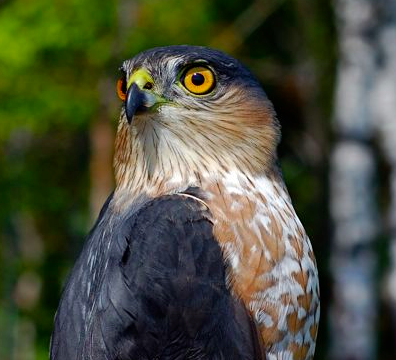
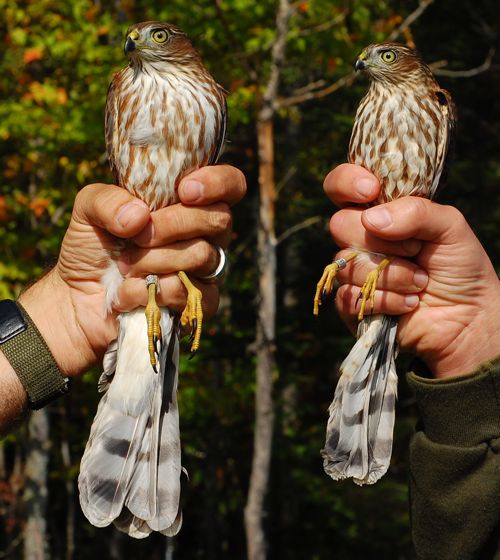 A photo of a pair of hatch year sharp-shinned hawks (the female is the larger bird on the left, the male is smaller and on the right) means that it's that special time of year for me. That special time when I try to cut back on where I travel to so I can have time to help out with some hawk banding. To those who have ever participated in a well run and a good banding station, it's not only scientific research, but it's part hunting and part sports game. You scan the skies looking for a hawk that might be in a good position to see your bait, if it comes down, it could at the last minute dart off, if it does hit the net, you have to make sure the bait bird doesn't get nailed, then you have to dash out of the blind before the hawk gets out of the net. After all of that research, you take notes on the bird and let it go, hoping for it to be recovered again when even more valuable information can be garnered.
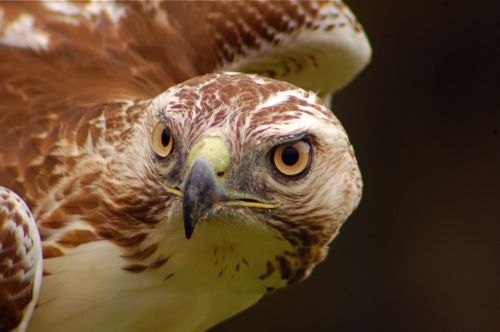
Sunday was the first day I was able to go up. I hit the road dark and early. Watching the forecast, I wasn't sure what to expect. Websites predicted a 40% chance of rain all day, but the winds would be west in the morning, northwest in the afternoon--promising. And at the end of the day, a slow day in the blind, is better than any day away from it. And even to have the chance to watch the hawks on part of their journey is a treat. No worries, it was not a disappointed day in the least, note the above red-tailed hawk--oh, what a flight to watch come in to the net.
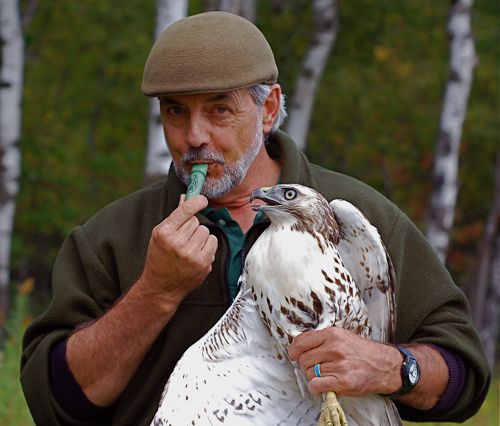
Above is my buddy Frank Taylor posing with a hatch year (passage) red-tailed hawk we got in the nets. He's also posing with his wounded rabbit call, which I must admit, I was skeptical about it. But it totally worked! This young red-tail flew up to catch a thermal. Rick, our master pigeon yanker, pulled the pigeon to flap a few times, and the red-tail showed no interest. Frank grabbed his wounded rabbit call, blew loud and blew hard and the bird flapped, came out of the thermal and set towards the pigeon--it was beautiful. It came in from far, set its wings, slowly lowered the talons and flew right into the net! The call of the wounded rabbit was just enough to get the red-tail's attention to see the bait bird.
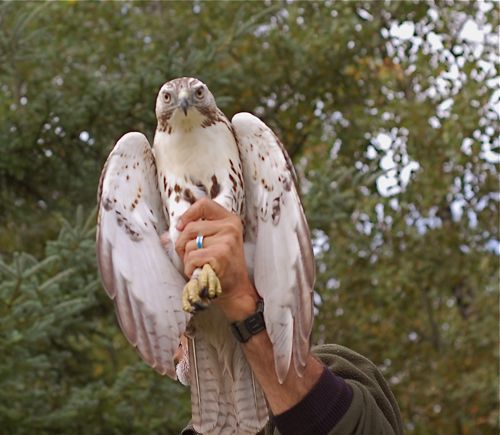
After we band the birds and are about to let them go, I like to try and get photos of them taking off. My favorite way is to lay on the ground. Normally, the birds are looking to get away. Not this red-tail, it watched me to the whole time.
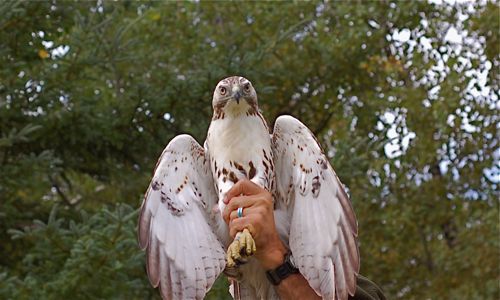
It was not interested in anything else. I even said to Frank, "I really don't like the way this one is looking at me." It was not looking away.
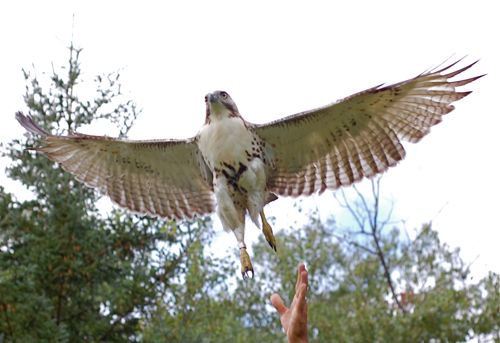
Yet, when the hawk was released, it lost complete interest in me. Whew. When I showed this photo to Non Birding Bill, he said the hawk looked like it was auditioning for Fame and trying to light up the sky like a flame.
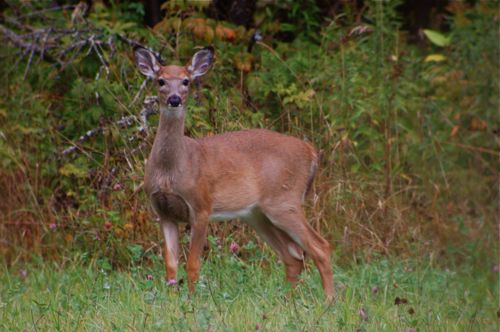
One of the fun parts of the blind is getting to see the local wildlife come out, not knowing that we are there. This was a doe who came out to browse. Although, her interest was piqued when she heard all of the camera clicks.
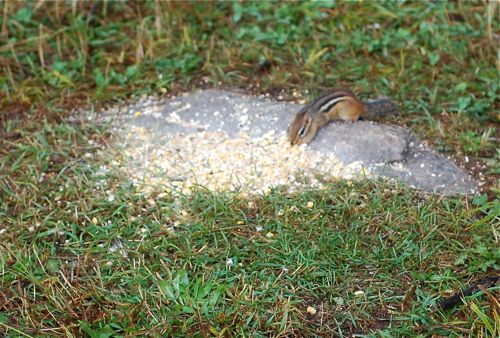
We had a very ballsy chipmunk come out to gather some of the leftover pigeon food to its winter stores, seemingly oblivious to the potential predators we were trying to draw in.
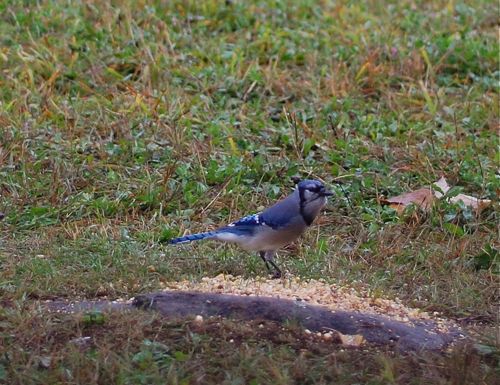
Blue jays also came in for the spilled food and periodically competed with the chipmunk. This bird was really loading up on food--look how full the crop is. Early in the morning when fewer hawks were moving, we had time to watch the chipmunk and the hawk, but by 10am, the hawk faucet was turned on and we were too busy catching hawks and watching others fly over to pay attention to the others.
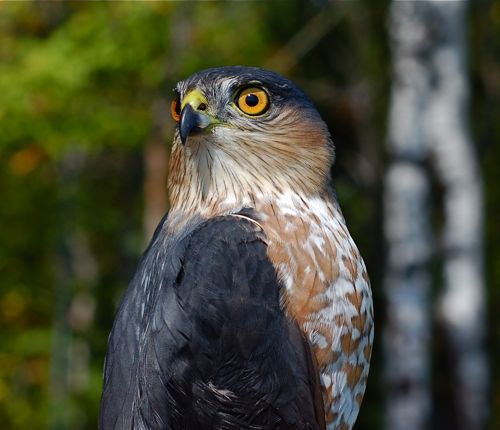
We got in quite a few haggard (after hatch year) sharp-shins. Normally, we don't get too many of those until later the season. It was such a great day of watching hawks of all sizes from far off spot the pigeon and then come in for it.
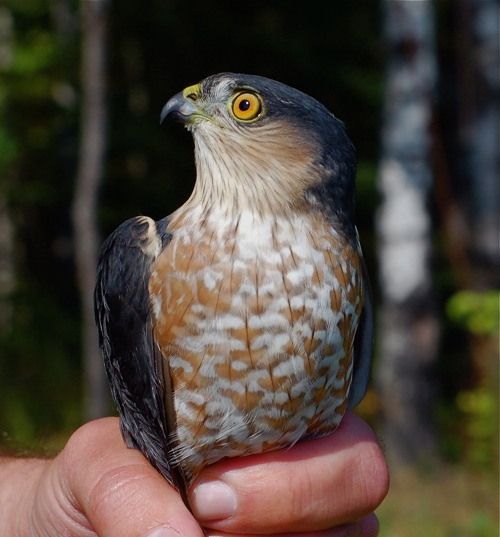
One particular adult had us wondering about his past. As soon as my friend Amber took him out of the nets, she noted that he had a Cooper's hawk look about him with his head. It did look a bit flat, but he was sharpie in size and dainty bill. As she banded the sharp-shin, he did what many hawks typically do--open its mouth and stick its tongue out. Only, when this hawk did it, the tongue veered sharply to the right (not unlike someone with a neurologic disorder). While Amber banded this bird, more hawks came into the nets and Reier held the hawk. The hawk turned it's head this way and that. When it would strain too far to the left or right, it would shake. Reier noted that it was like someone with nerve damage. Between the flatness of the head and the abnormalities, I wondered if this bird had flown into a window or some other blunt trauma? It was a chunky bird, so it felt as though it had been eating well, but something happened to it somewhere.
Little Ringed Plove Nest Cam
I highly recommend saving this link should you ever be having a hard day, just bookmark it now. I give you a snippet of the Little Ringed Plover nest cam. Feel like an egg about to be incubated. I'm now watching it for the twentieth time.
Making a Heron Out of a Sandhill
I had a fun ranger assignment today. We periodically use heron decoys for some of our birding programs at the park. We have two, but one went missing and a new one was purchased.
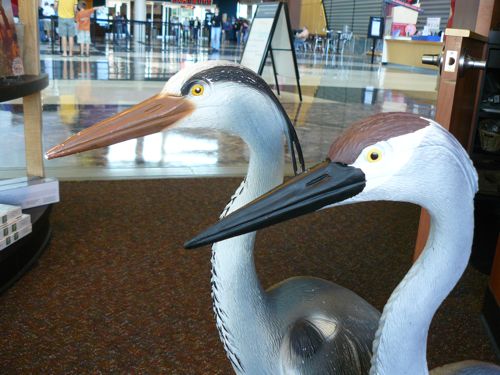
However, when the ranger went to purchase a new great blue heron, all that was in stock was a sandhill crane. The ranger picked it up because we needed a second one. If you look closely at the sandhill, you can see that it has a bit of a heron shape, right down to the crest feathers. All that was done to alter the species of the decoy was that the bill was painted black, some white was added to the face, a red cap was put on and the whole body was gray. I offered to try and paint it into a great blue heron.
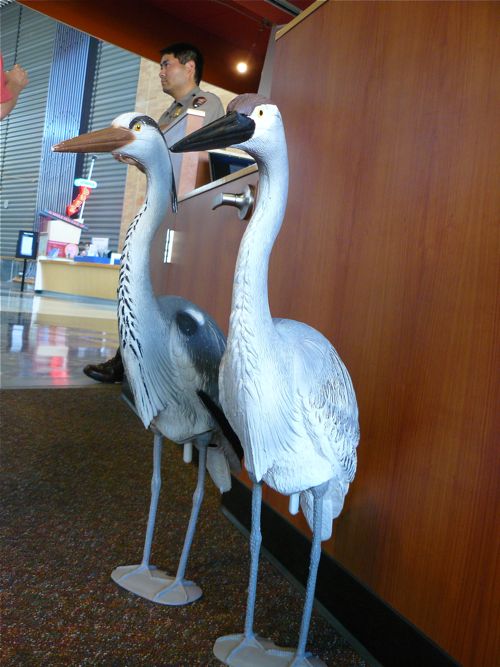
I also had an ulterior motive. If you look at the decoys side by side, you might notice that they have unusually large cloacal protuberances. I'm willing to overlook this, however, your average sixth grader is not and sometimes the unneeded part leads to lots of giggling that can take away from program time. I thought since I had the decoys in my possession, I might do some trimming. Alas, my exacto knife was too small to cut it. So I had to put in a maintenance request for a large blade. I decided to be discreet and take it downstairs to maintenance. As I explained what I wanted done and that it was "too hard" that led to uncontrollable giggling on maintenance's behalf. Fortunately, they found a blade and both protuberances were swiftly and mercifully removed.
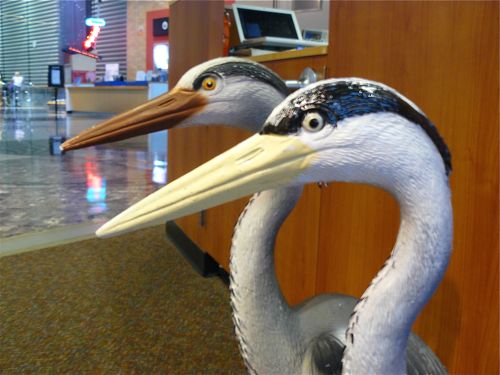
Considering all that I had to work with were three cans of spray paint (white, black and buttercup) plus a sharpie, the sandhill turned into a rather nice looking or at least somewhat identifiable great blue heron. Even more impressive, I managed to avoid spray painting my park uniform.
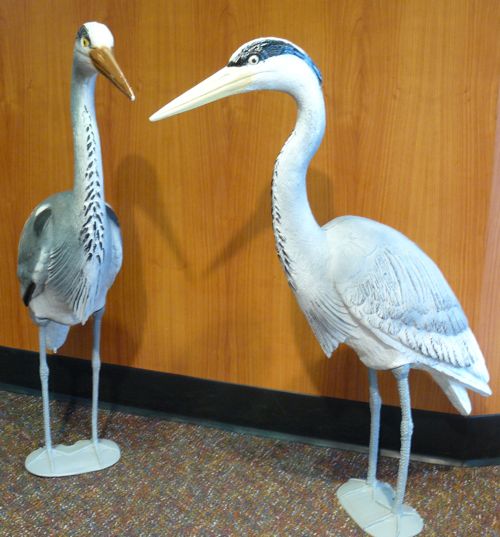
Also, these should be good decoys now that the laugh factor has been removed. I thought it was curious that the local store would only have sandhill crane decoys and not herons. I think this particular store sells them more as lawn ornaments, however in some states, it is legal to hunt sandhills. Minnesota is not one of those states, so it is curious how they ended up here.
Shorebird Banding At The Midwest Birding Symposium
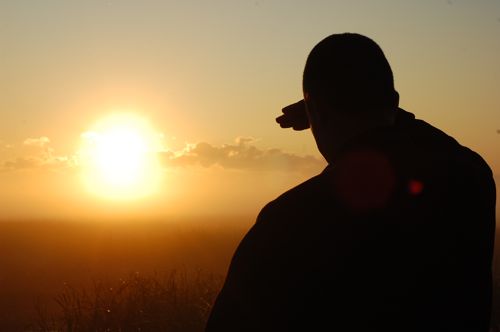 A birder scans the dawn for migrants. What a beautiful morning at Ottawa National Wildlife Refuge in Ohio! During the Midwest Birding Symposium, I got the opportunity to observe some shorebird banding last Friday (which was a fun change of pace from the usual songbird banding I do on Fridays). The banding started at dawn and involved two men named Tom.
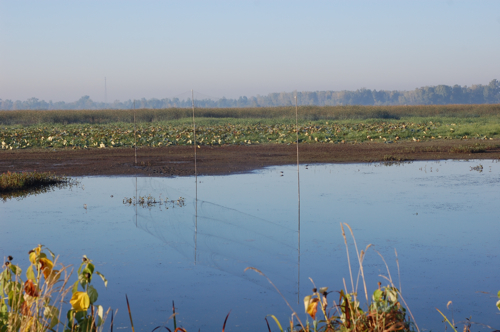
The nets were set in areas where the shorebirds were feeding. The banders had to be careful to too keep the bottoms of the nets high, so if too many birds were caught, the nets wouldn't droop down into the water. You had to wear some serious waders in order to put the nets up and to retrieve the birds.
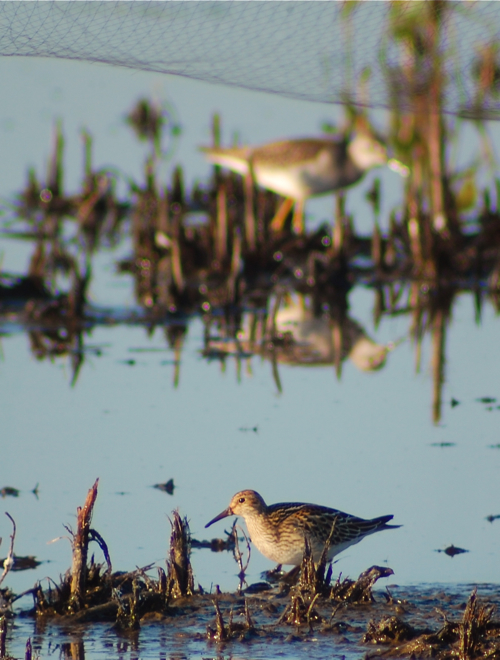
Some birds were not buying it, like the above pectoral sandpiper (that's a yellowlegs blurred in the background). Some birds fed right under the nets, while others flew right above and below. However, many flew into the nets and we got to see quite a large variety of shorebird species in the hand.
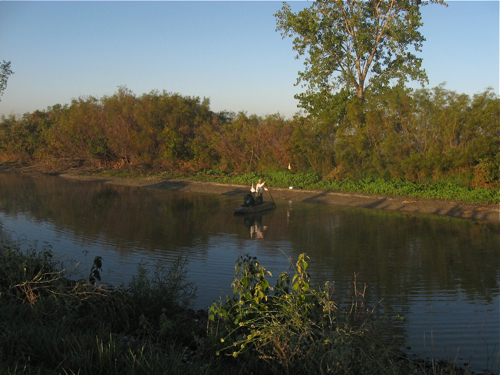
Some of the nets were not easy to get to. Shorebird feed on mudflats and that gets messy. They had to cross a stream to be able to get at the nets in a fast and easy manner.
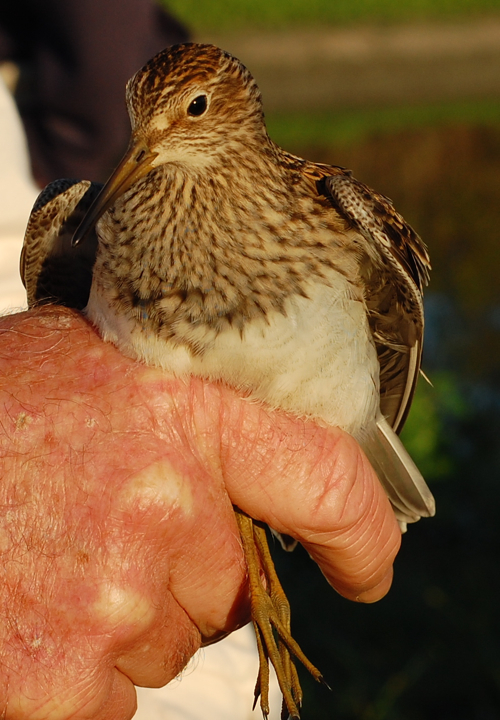
Look at this beauty--a pectoral sandpiper. This is one I can remember, note how far the brown goes down on its body before it meets the white. The brown goes down much further on this bird than it would on a semipalmated or least--plus it's bigger. The birds were all smaller in hand than they look in the field, which is what I expected. According to bird banding guru Peter Pyle, this bird takes a band size of 1A. You can put a 1A band on a cardinal to give you an idea of size.
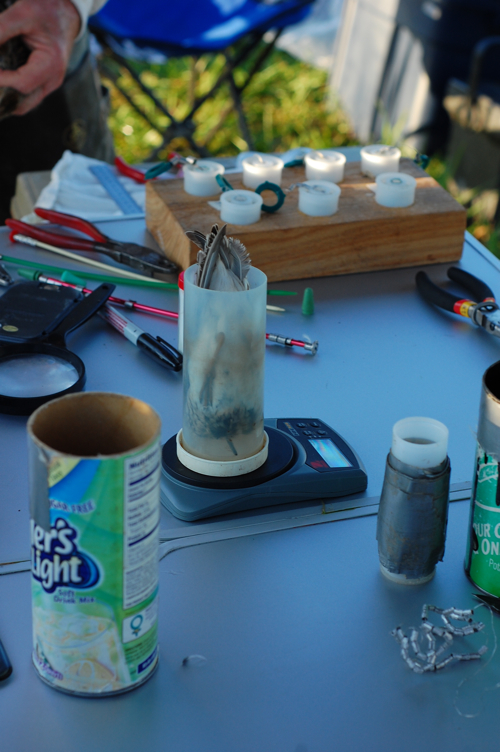
The banders took the usual measurement of wings and tail, but also checked weight. This was done swiftly, by quickly inserting the shorebird into a tube and setting it on a scale (the weight of the tube was already calculated on the scale. I think the banders had all of their measurements taken, banding and then assessment of age and sex in less than 60 seconds. They were quick, with the shorebird's safety and health a primary concern.
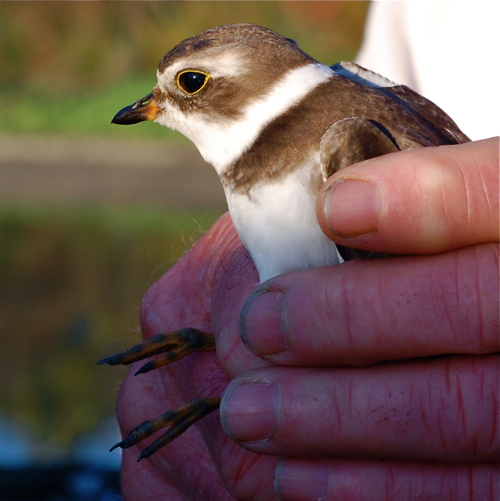
Here's a cute little bird! It's the sample size version of the killdeer, a semipalmated plover. Don't you just love that yellow eyering? These also take a small 1A band like the pectoral (and cardinal). After this bird was banded, it flew across the nearby creek and began to forage as though nothing had happened.
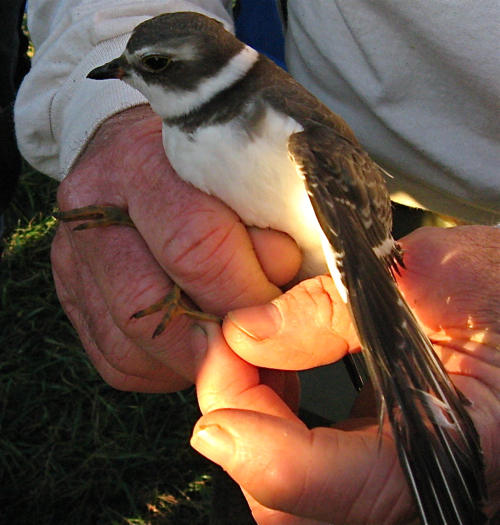
And if you are wondering what the name "semipalmated" is all about, it refers to the slight webbing between the toes. See? Again, a bird named back in the day when they were shot first and identified later. It's something seen easily in hand and up close to the face, but rarely seen when the bird is running around on a mudflat. And believe it or not, non birders, this is not the only semipalmated bird out there.
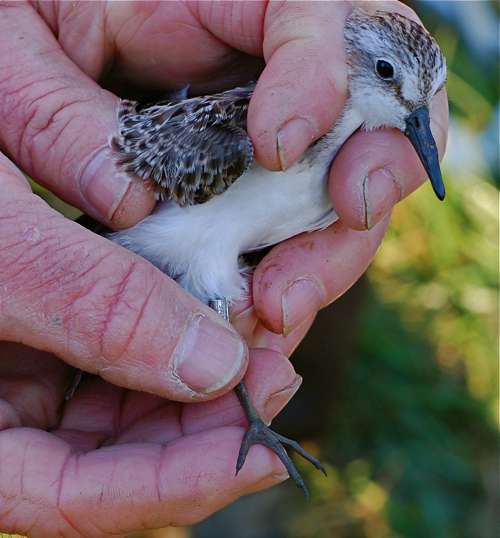
We also got a semipalmated sandpiper into the nets too. Above you can see Tom splaying the toes revealing the partial webbing between the toes. This bird had a slight deformity on its bill, there was a lump in the middle. Had it flown into a window at some point? Was it just some sort of odd defect it was hatched with? Who can say?
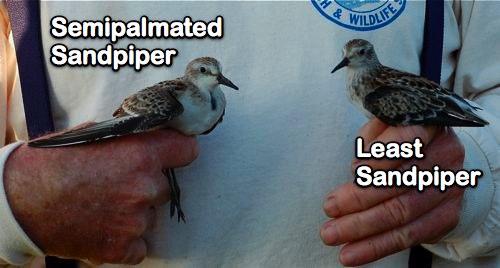
If you remember the photo from the previous entry, I asked if these were the same birds or different. Even in hand, up close it can be a challenge. Normally, I would point out the bill differences, but the semipalmated has that notch in its beak. Another way I tell the two apart in Minnesota is also covered up. Semipalm's bill and feet appear to be the same color, least sandpipers feet look lighter in color than the bill (you'll have to take my word on that since the least's feet are covered up in that photo). You can see some examples here.
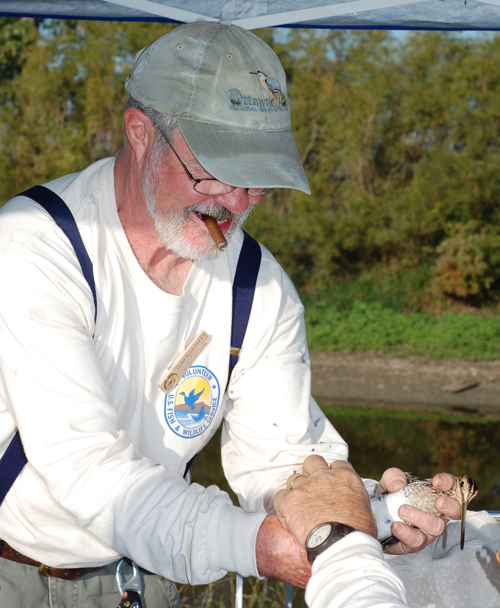
The coolest bird of the day for me was a Wilson's snipe that came into the nets. What a great bird and what a treat to see up close. Above is bander Tom Bartlett, reminding me a bit of Hannibal of the A-Team, loving it when a shorebird plan comes together. And for the record, all we had to do to get this snipe was put up banding nets in the morning, no one was out in the middle of the night with a pillowcase making strange noises.

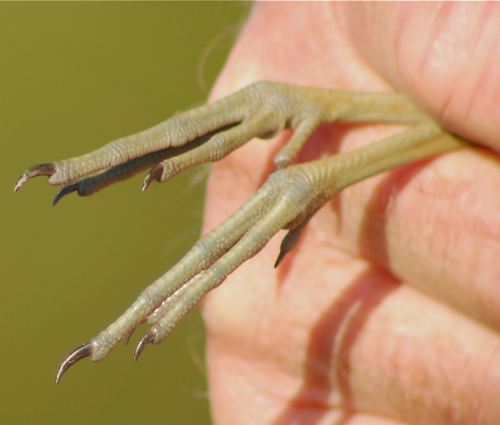
Here are some snipe toes, remarkably clean for a bird that wanders in mud.
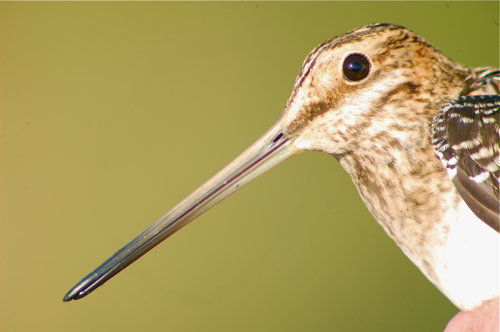
Here's a shot of the head and that incredibly long beak it uses to probe in mud. The bill of the snipe is so flexible that it can open just the tips without opening the whole bill! Sensory pits at the tip of the bill allow the snipe to feel its prey deep in the mud. It's bill is also handy for yanking the occasional worm too.


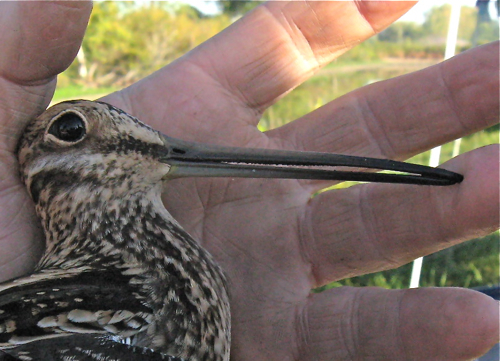
Tom tried to gently reveal the serrations inside the bill. There are a couple of different theories as to how the snipe gets food and perhaps it uses both. Some think that they may suck up food when the bill is probed in soil and others think the serrations pointing back towards its mouth in conjunction with its tongue will help move prey found in mud. Still something we can learn.
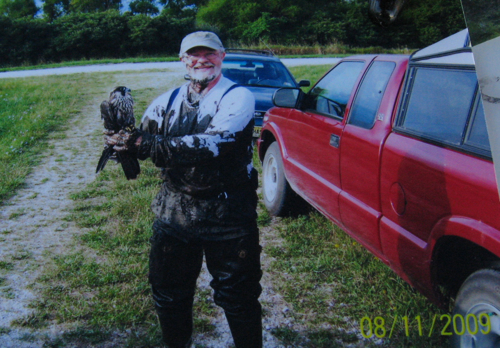
Tom does have to bee quick when getting birds out of the nets. He showed us this photo from just last month when a young peregrine falcon saw shorebirds struggling in the nets and thought it might be easy prey. Tom got a little messy, but was able to get the falcon before it got the shorebirds.
This was a fun and educational experience and hands down one of my favorite birding moments at the Midwest Birding Symposium.