
Birdchick Blog
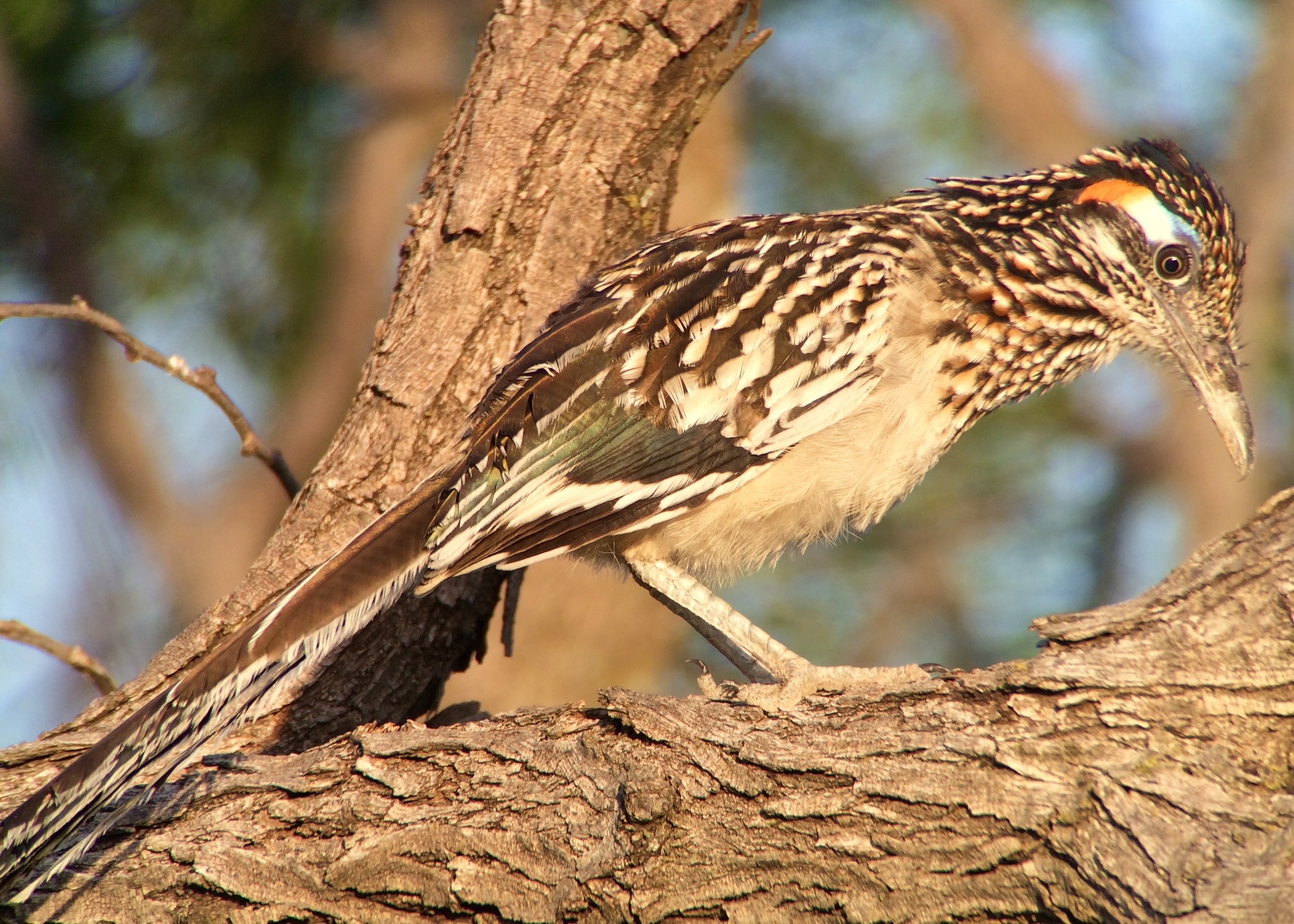
Greater Roaderunners
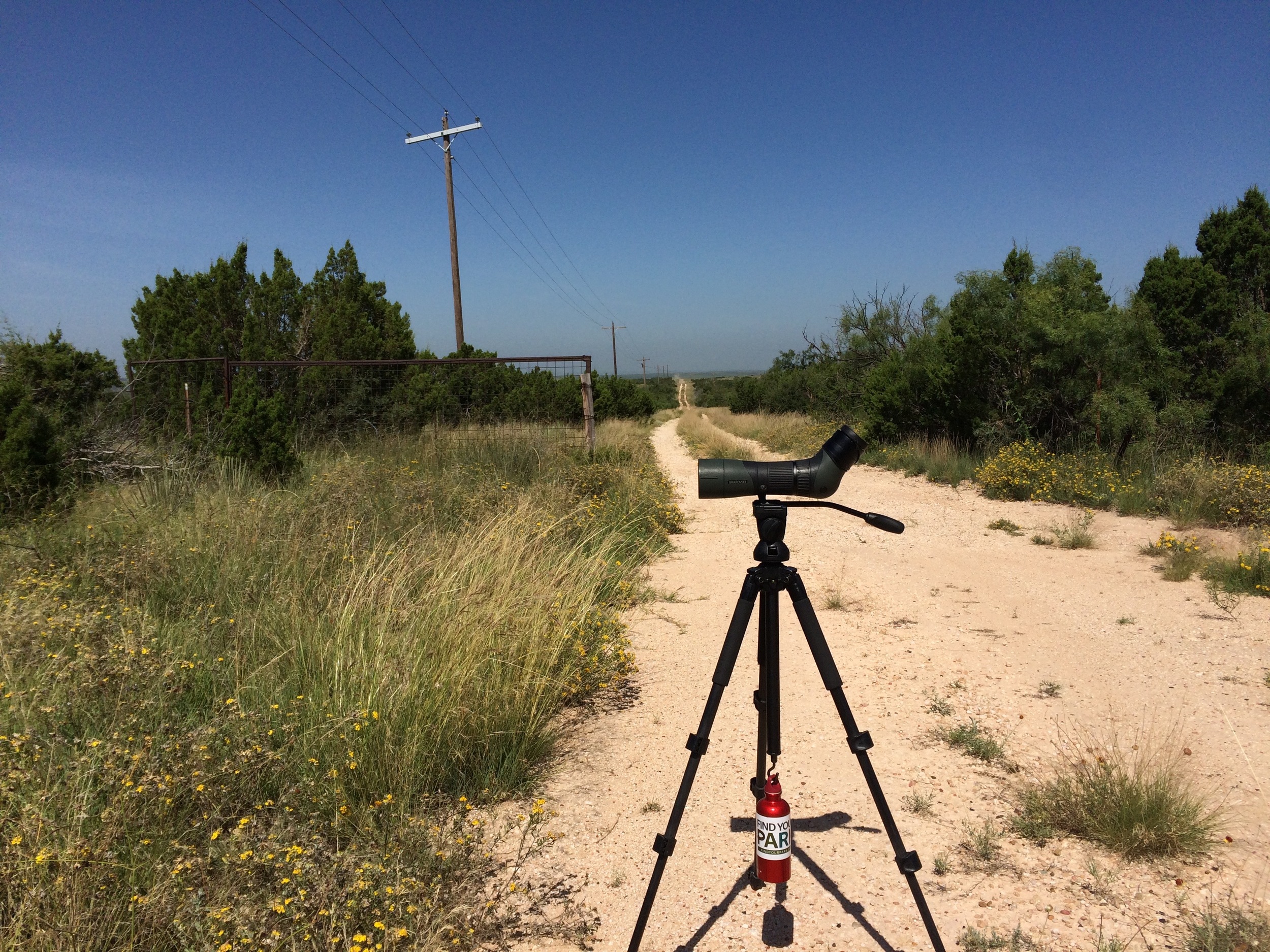
One of my bird survey offices in Texas.
I've kind of transitioned in the last year or so to do less surveys and more writing and giving programs. I love bird survey work, but it's taxing physically both on your body and your time. Basing each week on airports and storms is less exciting as I get older. Spending times in airports over 30 weeks in a year makes it hard to connect with friends. Sure, there is social media, but that's not the same as being there for, "Hey, I had a bad day, can we grab a drink tonight or breakfast tomorrow?"
A common question I get from friends who knew about my shift in careers is, "Do you miss the travel?"
No, partially because I will never stop traveling. I'm just more selective about the types of travel I will do now. That's not to say that there won't be things I miss. I love point counts and I think that's why I'm drawn to big sits (if you're going to be around the Twin Cities, my park is hosting one on April 30) or simply working my patch over by my house. You have an idea of what will be there but it really takes just staying in one spot over and over to get the big picture.
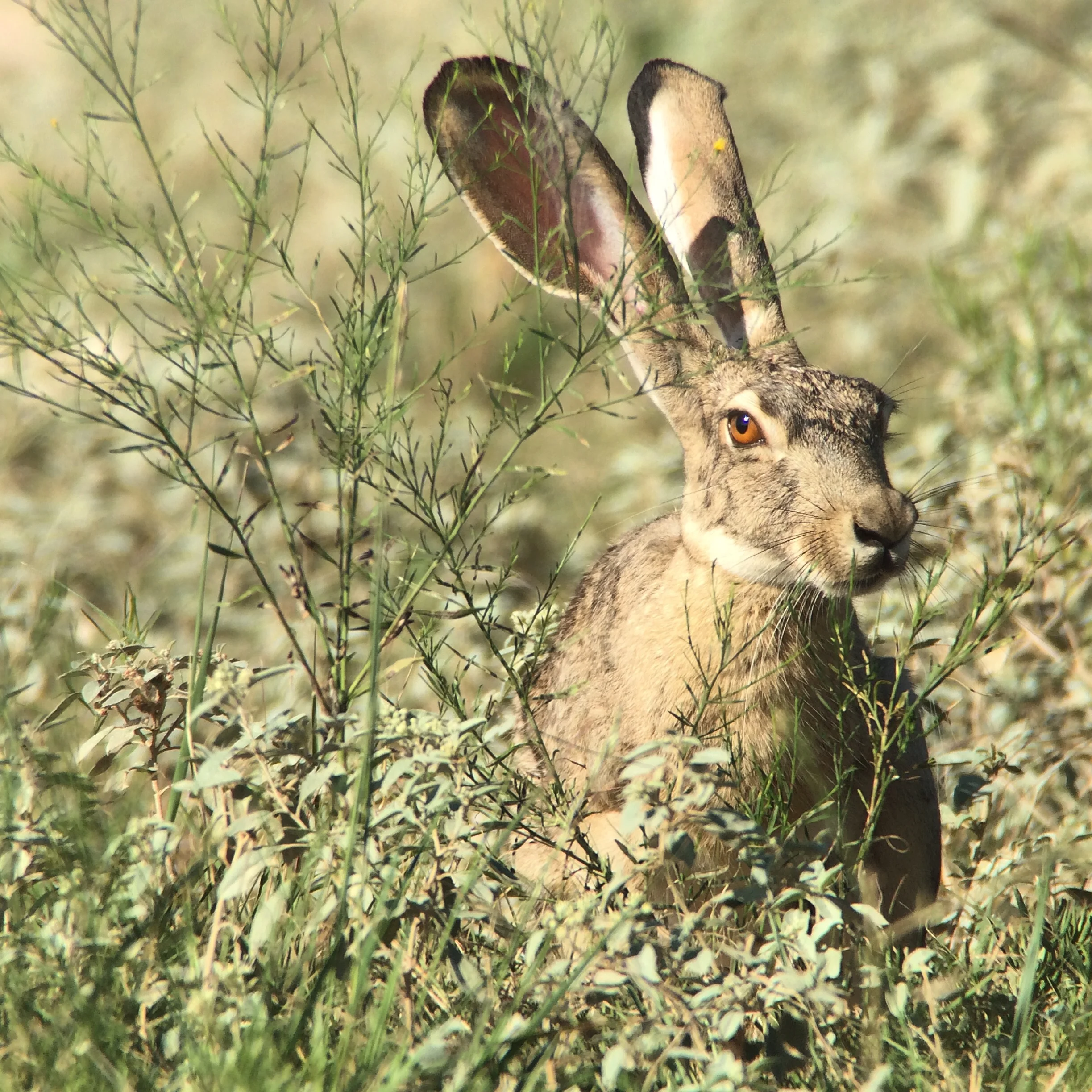
Jackrabbit sizing me up on one of my surveys.
Also, just sitting in one spot gives birds and animals a chance to get used to you and in some cases, come over and check out you out. And some of my best birding moments have been on bird surveys.
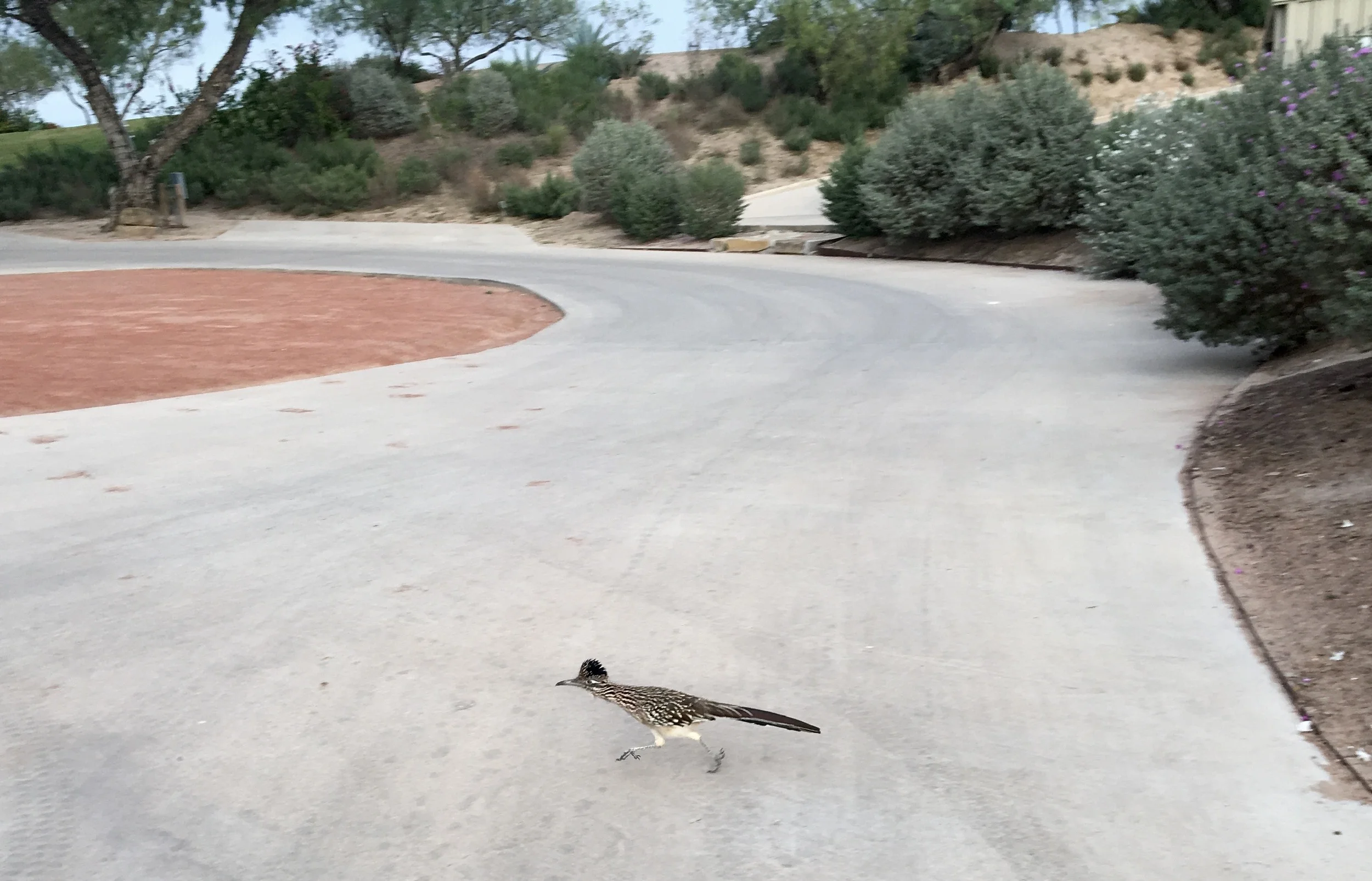
A greater roadrunner doing exactly what its name suggests...running in a road.
I've always had a fondness for roadrunners since I was kid. It may have been because there was a cartoon roadrunner on tv or that my grandparents lived in New Mexico and it was their state bird. I even had a carved roadrunner that played "Kind of the Road" when you wound it up. As a kid I remember thinking that if there were Smurfs in the desert southwest, I bet they'd tame roadrunners and ride them.
When my family took a road trip out in New Mexico, my parents would periodically say from the front seat of the car, "Oh, there goes a roadrunner." Being the youngest sitting in the middle seat in back and being super short, I never got to see them. I thought this incredibly unfair since I would be the one most interested in seeing one. I never really got a great look at a roadrunner as a kid. We stopped someplace for a bathroom break and one ran away from us, but nothing like the quality time one can get with a cardinal.
Throughout the years when I've been in range of roadrunners, I've had flashes while driving or watched one scurry in backyards, but just not time to hang out with a roadrunner and really get some great shots. With some birds, I lament as they stay out of reach, but I also realize that at some point I'll get an opportunity, I just need to be patient and wait.
I finally had my roadrunner moment last summer.

One of the things I'll miss from my Texas surveys: Stripes Gas Station tacos. The chicken fajita is the most reasonable shot at getting vegetables in your day while doing field work.
One morning I started my first survey spot, unwrapped my gas station taco and pressed start on my stopwatch to start my point counts. Dickcissels were waking up all around me and then I heard a familiar cooing. It was the coo of a greater roadrunner...and it sounded like it was ten feet away. I froze and scanned to my left where there was a tangle of mesquite.
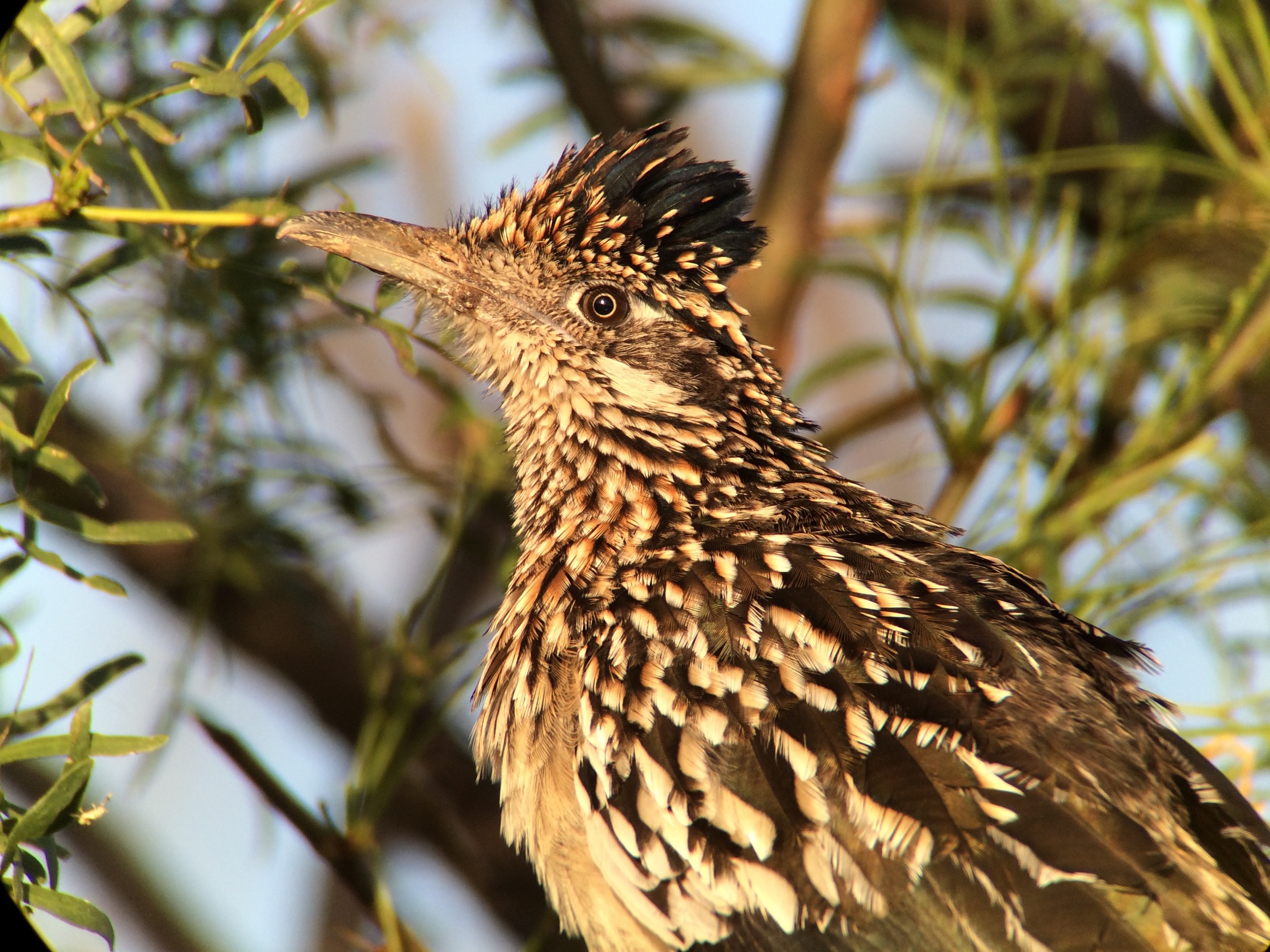
Greater roadrunner digiscoped with Swarovksi ATX 65mm scope, iPhone 5s and i5 adapter.
Sure enough, about fifteen feet away was a greater roadrunner singing away. It was not bothered by me at all. The bird was so close I could only get head shots. After a few minutes, I stepped back away to see if I could get a full body shot.
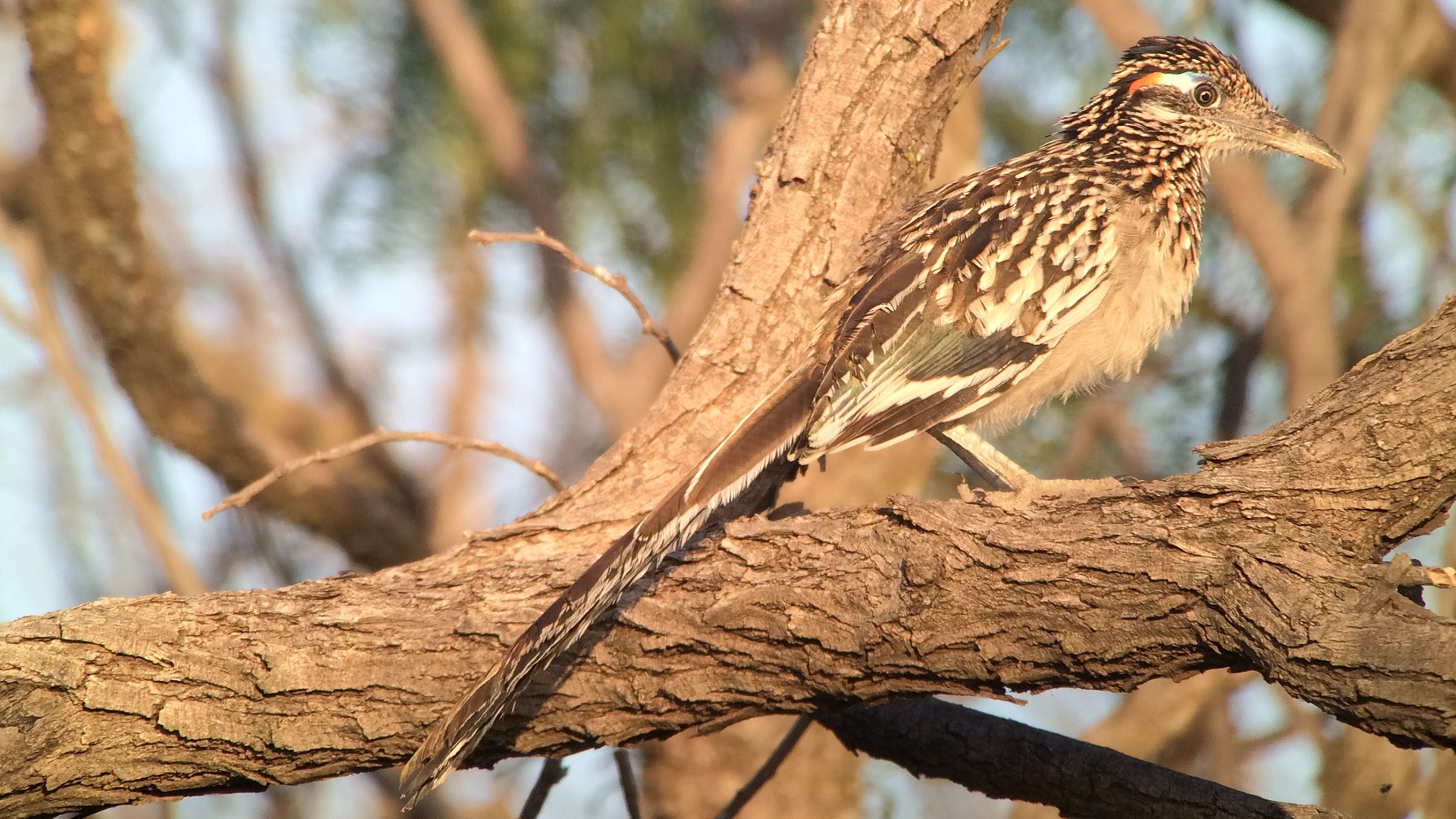
Check out the sexy postorbital apteria...that's the bare skin that's blue, white and red behind the eye. I've only ever seen them expose it while calling.
As I watched the roadrunner sing I thought back to when I was in third grade. My parents moved me to a Catholic school mid-year. It was the first day and our teacher was discussing the desert. She asked the class if we could name animals that didn't need a lot of water so they could live in dry climates. I raised my hand and answered roadrunner. She smiled and said, "No, those only exist in Cartoon Land."
She immediately moved on to another student but I couldn't believe she didn't know about roadrunners. The next morning before school I gathered up my National Geographic Field Guide with the roadrunner page bookmarked, my Wonder of Birds book that had a cool series of roadrunner pictures of the adults killing a lizard and feeding it to their chicks, my collection of state bird stamps that included the stamp for New Mexico that had a roadrunner on it, and a tourist brochure for New Mexico that had a picture of a roadrunner on it. I waited until lunchtime and went to the teacher's lounge--it was a different world then, the teacher's lounge door was open so you could see your teachers smoking and if you needed to, you could come in and ask a question. I went in with all of my birding paraphernalia and up to my new third grade teacher who was talking to the Sister Elizabeth the fourth grade teacher, Mrs. Stahl the social studies teacher and the principal Mr. Greer.
"Hi Mrs. Meyers," I said, "I just wanted to let you know that roadrunners do live in real life and they're the state bird of New Mexico." I opened my books and showed the pictures. "I can see why you might be confused, they're not blue like in Bugs Bunny, they're really brown and sometimes people call them the chaparral cock."
Mrs. Meyers nodded, said she had things to do and left the lounge. I was not her favorite student after that. But it turned out ok, the fourth grade teacher was a nun with a stern reputation. She was also a birder and Sister Elizabeth and I got along just fine when I hit fourth grade. She even gave me a Forebush/May book on the final day of fourth grade.
Anyway, here's a little video that I got of the roadrunner. You might need headphones to hear the call. iPhones don't have the best microphones and the soft call of a roadrunner is going to be overpowered by dickcissels singing away.
Birding And Camping In Sweden
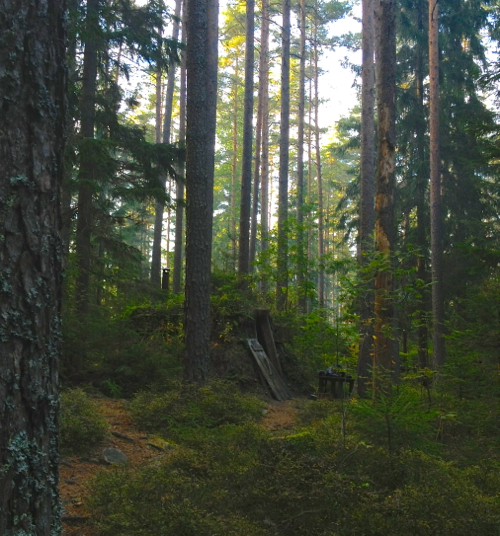
Kolarbyn is known as Sweden's most primitive hotel. Seriously, check their website, that's how they bill themselves. Can you make out our hut hidden in the Swedish wildnerness?
Did I ever tell you about that time I went camping and birding in Sweden?
Probably not in the blog. This is another in a series of adventures that happened in the last few years that has made it in some of my keynotes or conversations over libations at Birds and Beers, but never made it here.
So...Sweden:
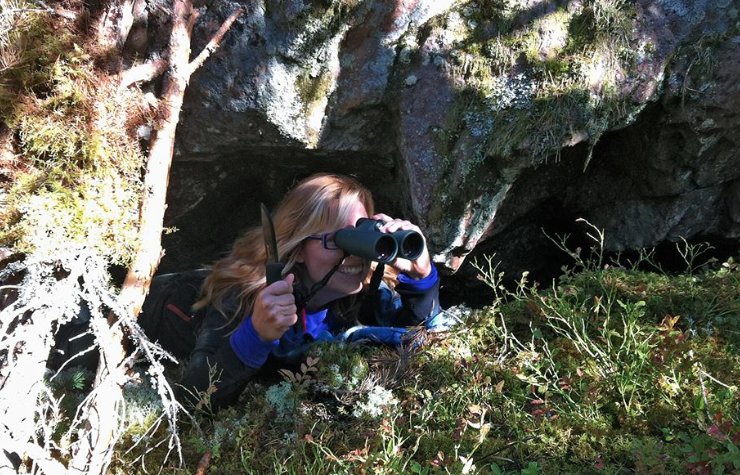
On this trip I learned to find suitable shelter for surviving a night in the Swedish wilderness as well as how to filter water through a beer can, building a fire from mosses and forage for lingonberries and mushrooms.
Believe it or not, this trip was work related but I still look back on this trip and wonder...did that really happen? We were based at Kolarbyn Ecolodge which literally bills itself as "Sweden's most primitive hotel." But even though it's primitive, it's still beautiful and your experience is more relaxing than you'd think. It's about a two hour drive northwest of Stockholm.
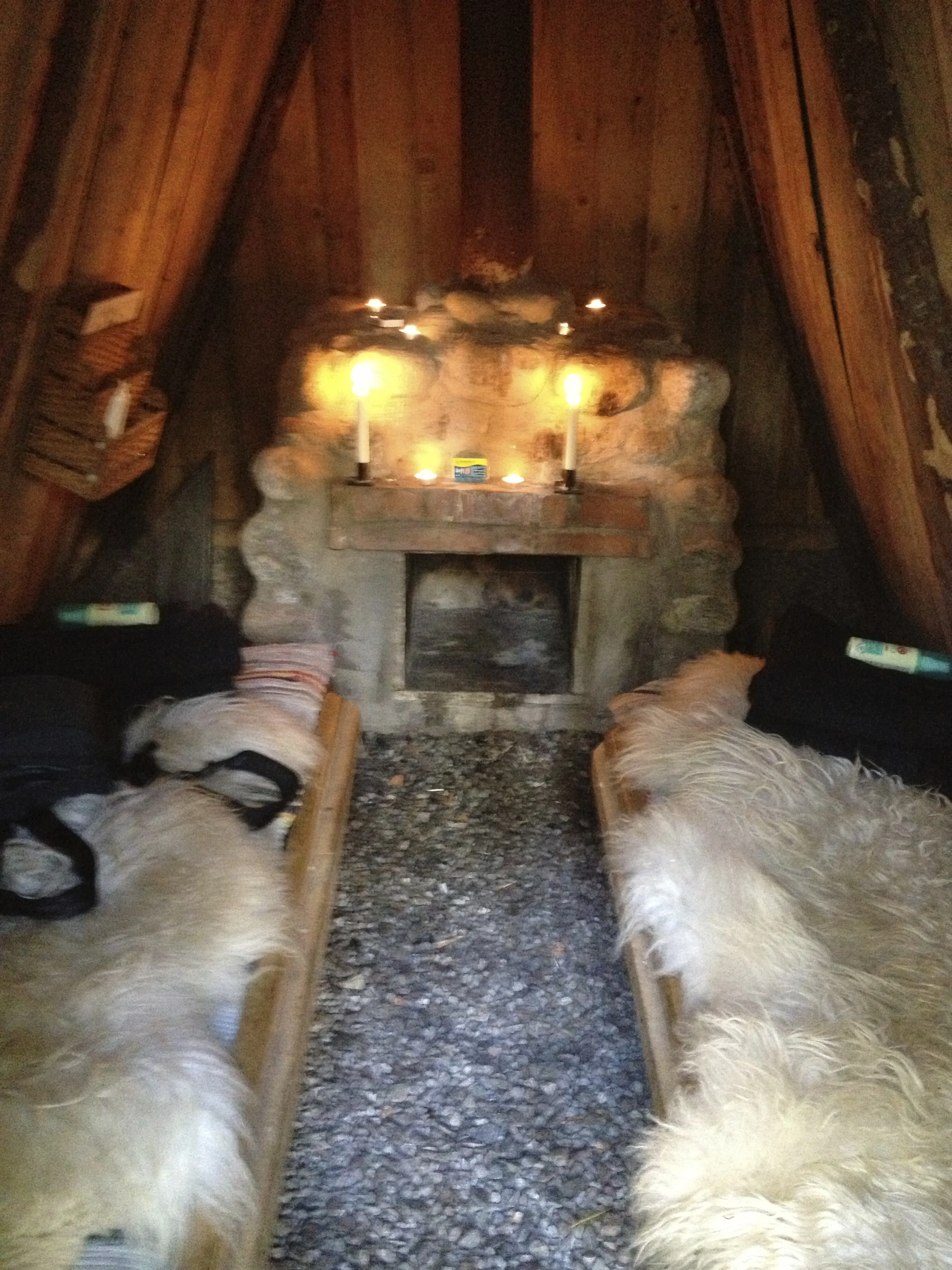
The inside of my hut complete with wood burning stove and wooden planks with sheepskin to sleep on. We also added some padding and a sleeping bag for good measure.
Imagine if some designers from IKEA went out into the Swedish wilderness and designed very tasteful, elegant and minimalist huts with trees, dirt and mosses--you'd have Kolarbyn. The camp specializes in giving you a complete outdoor and survival experience. They were a bit baffled by birders. They expect their guests to be ready for hikes--which birders are but when they hear good birds, they are going to plant ourselves to observe and identify. Even experienced bird trip leaders know that guiding birders is like guiding cats. They walked us past an area that had nesting a family of black-throated divers (aka Arctic loon in North American field guides) and we planted to enjoy not only the view of the birds but the sounds as well. But I think they gradually got the hang of birders.
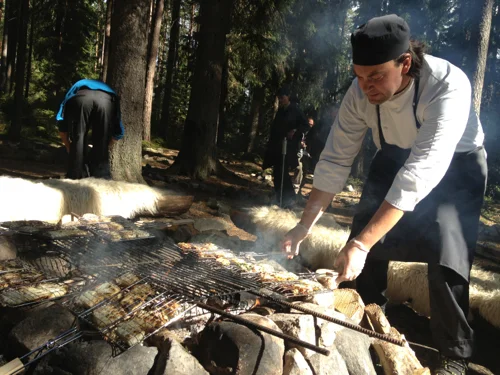
A chef cooks fish and cheese over a campfire.
The food was wonderful. Sometimes a chef cooked for us and there were times when we helped prepare the meal. One of the experiences you can have at Kolarbyn is learning to identify edible foods in the Swedish mountains. During our trip in September, blueberries and lingonberries were plentiful and a handy snacks. There were also a variety of edible mushrooms which tasted great sauteed in butter over the campfire.
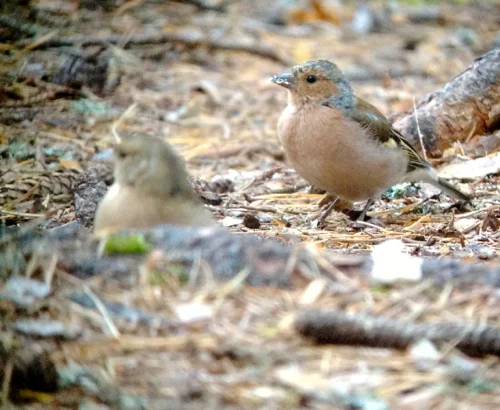
Chaffinches lurking around the campfire hoping for some scraps of food.
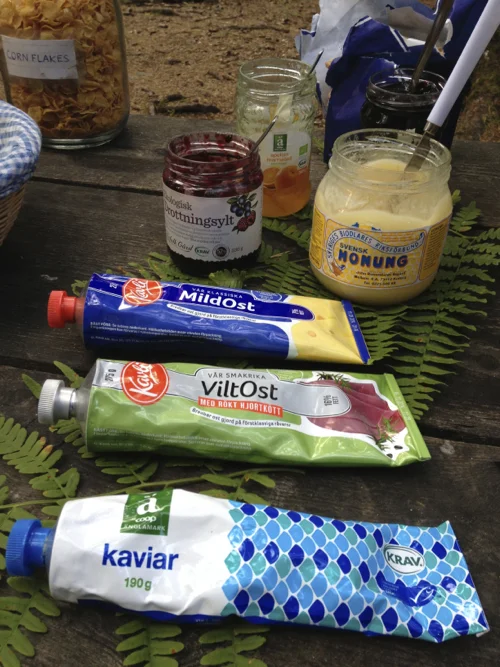
It's just not a trip to Sweden without tube food.
My first morning when I joined the camp for some coffee, the owner of Kolarbyn offered me some caviar from a tube. I soon learned that I could get meat and cheese from a tube as well. You really haven't lived until you have had reindeer meat squeezed out like toothpaste onto toast heated over a campfire. As I marveled over this strange food, they asked me what food I would have in Minnesota that they might find weird in Sweden. "Lutefisk," I said without thinking--it's the grossest thing people eat here. Fish soaked in lye with the consistency of Jell-O is enough to weird most people out. But I forgot where I was and the Swedes looked at me in astonishment and said that they loved lutefisk. Of course.
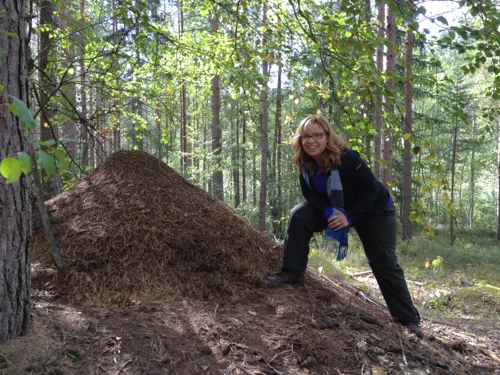
Me next to an ant mound. As part of of our survival training we got to taste ants. They had a citrusy flavor when stressed.
Now typically on these sorts of trips, the end of the day is capped off by a large meal and a few drinks. Our first night we sat down to an early dinner. The plan was to go out on a moose and wolf safari in the dark. The beverages were presented in the form of juice and non-alcoholic beer. Everyone looked confused and asked where the real booze was hiding. Our safari host smiled and said, "We have learned that if we don't give you alcohol you are much quieter and we have a better chance of finding wolf and moose."
More than one of us lamented that we hadn't hit the duty free shop at the airport before arriving to the camp.
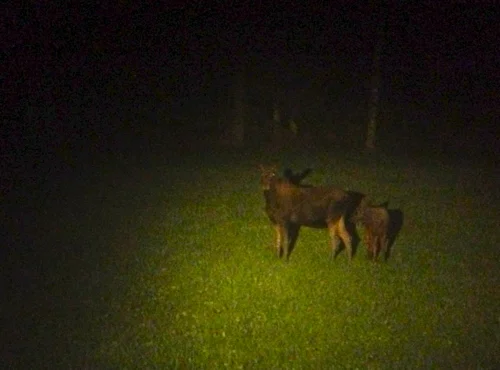
Two of 21 moose seen in one hour's time on our Swedish night time moose safari.
The moose safari did not disappoint--we saw several. Moose are kind of a confusing thing in Europe. Over there, they call moose "elk." What we call elk in North America, they call "wapiti." We have had a steep decline in the moose population in my home state of Minnesota so it was a real treat to see so many. One of the moose we saw had a fresh injury on its nose, like a chunk had been bitten out of it--perhaps by wolves. Actually, I can understand why Minnesota had so many Swedes settle here. The landscape is very similar--as is the wildlife. Not only did we see moose but we had divers (loons) and wolves.
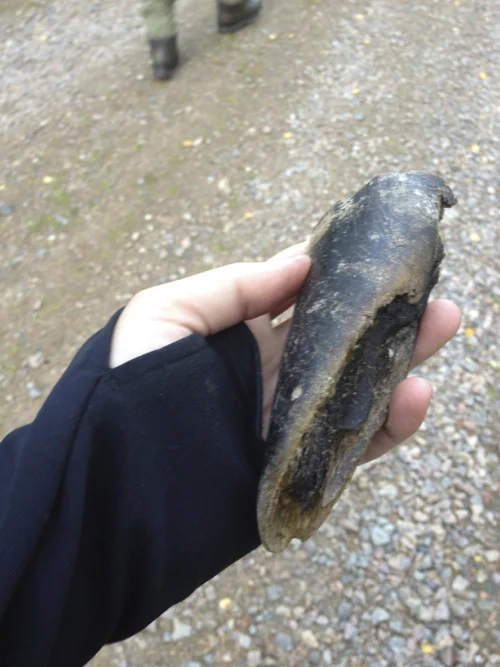
Piece of moose hoof found in fresh wolf poop.
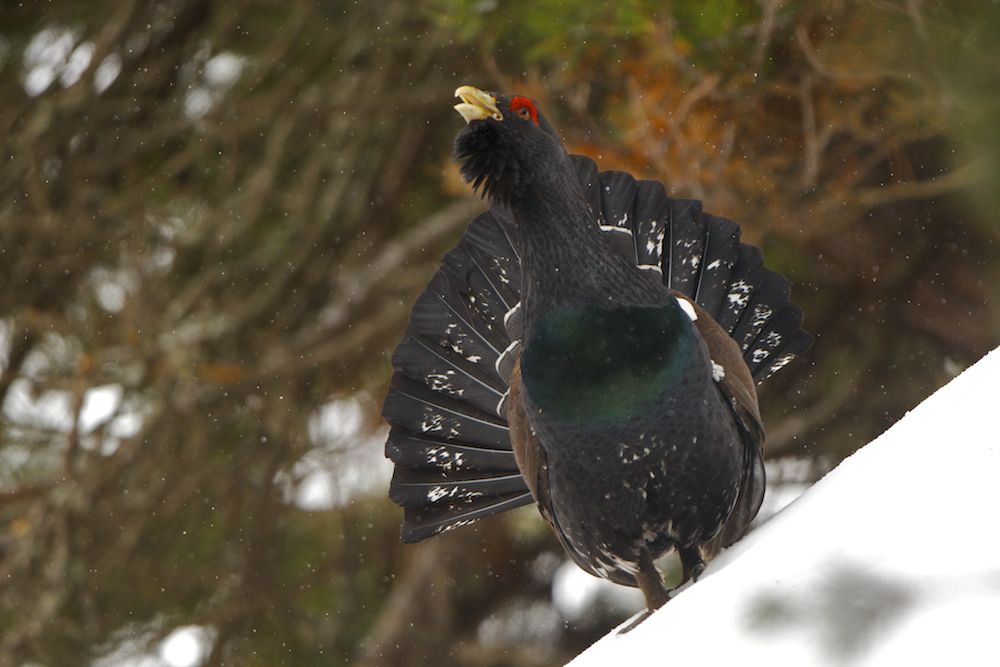
We saw lots of evidence of wolves--especially their poop. We staked out a spot on a trail to one of their dens in the hopes of one or two passing by. Though we didn't see the wolves, we did have some capercaillie settling into a roost tree near by--those things are so huge, their bodies cracking branches sounded more like Big Foot was coming through the forest than grouse. We never did see wolves on this trip, but we did hear them howl. I've seen wolves in Minnesota and Israel (though that one looked more like a coyote) but getting to hear a pack howl on one of our nighttime safaris was one of the coolest non-birding things I have ever part of--and worth a bit of sobriety. Sitting in utter darkness and in such a remote area of the Swedish wilderness under innumerable stars on a carpet of spongy mosses and a pack of wolves starts howling...I get goosebumps now remembering.
Speaking of sounds, get a load of this video:
One night they brought in a woman named Christina Holmström who does "kulning" which is a method of calling in livestock from the mountains. On our final night they allowed us to cut loose and have some wine around the fire. As we were sipping and toasting, this song started echoing off of the lake. Her evening song was just has haunting as the wolves howling. By the way, Kolarbyn also has a floating sauna on this lake which I highly recommend using, if you get too hot simply jump in to cool off or sit on the dock marveling the stars or northern lights.
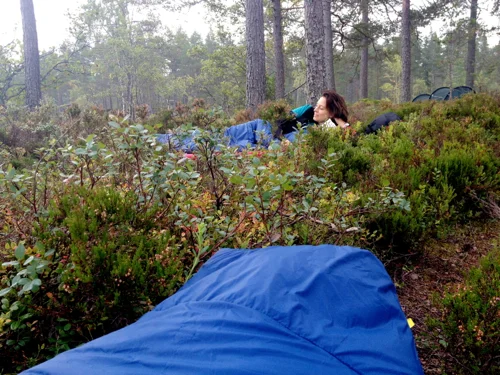
Forgoing huts or tents, we spent a night sleeping directly under the stars and woke to black-throated divers yodeling off the lake in the morning.
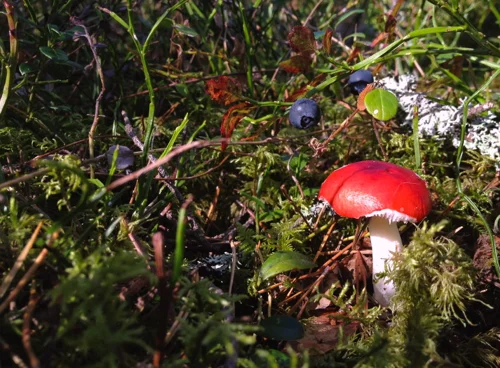
The ground beneath us was moss, berries and mushrooms. Pro tip: don't eat the red capped mushroom.
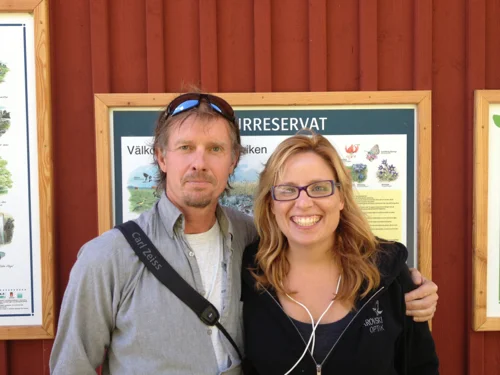
Daniel Green with me in Sweden. He helped us find lesser-white fronted goose.
After camping we headed back towards to Stockholm but did a bit of wetlands birding along the way. I was excited because we met up with Daniel Green of Bird Safaris Sweden who I have met before on my travels in Israel and south Texas. A great birder who is a great guide for Sweden or anywhere else you'd wish to travel around the world.
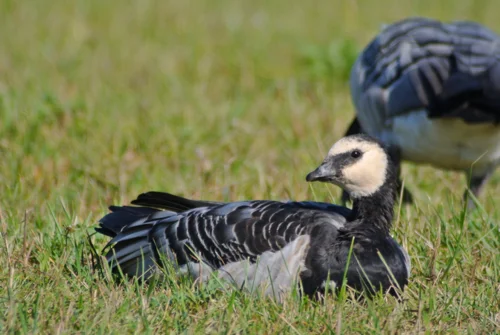
Barnacle goose.
I was excited for this spot because it was chock full of barnacle geese. This is a glassy looking goose that I've always wanted to see. Thanks to television, they're also known as the "base jumping goose."
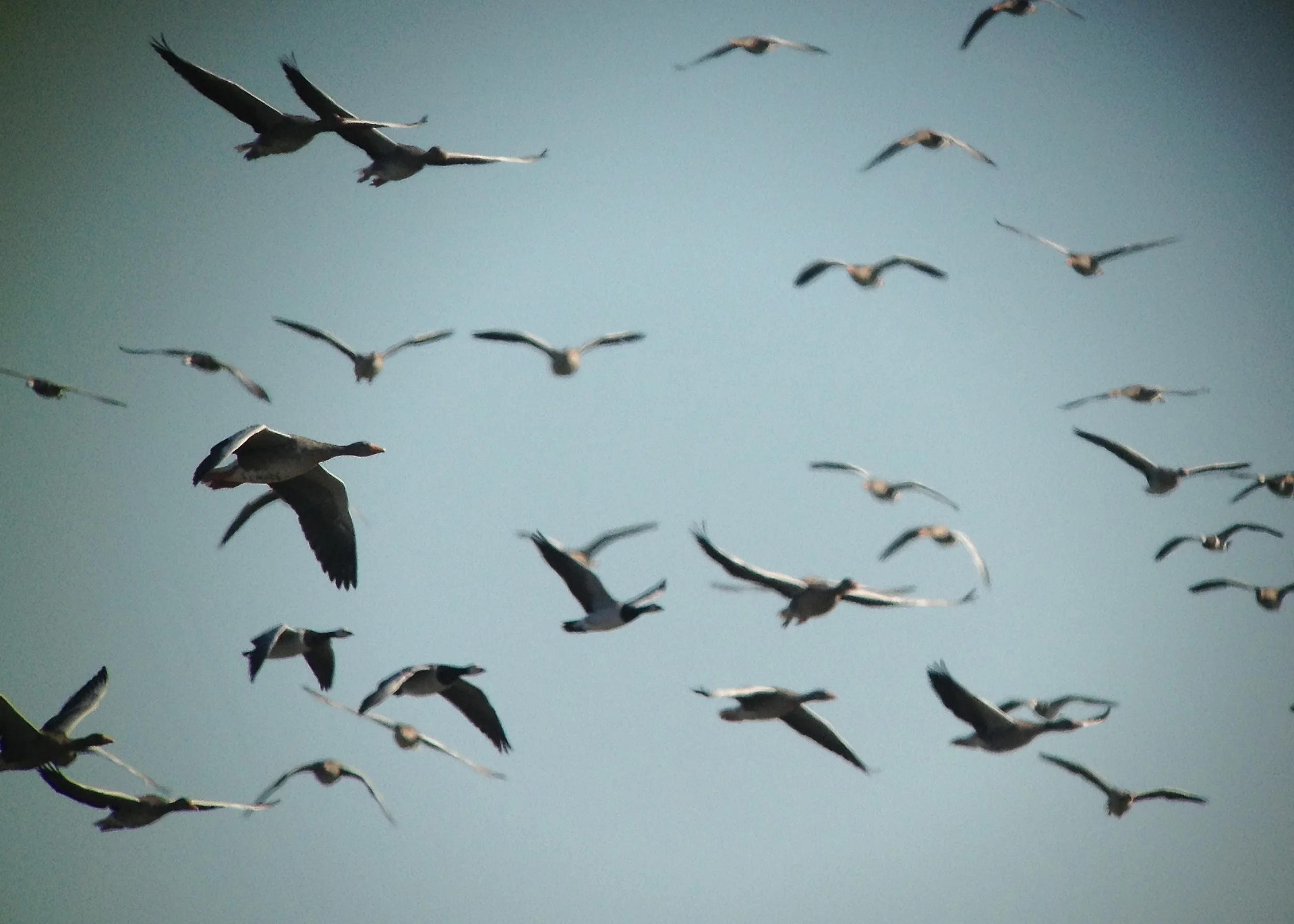
But there were all sorts of waterfowl and shorebirds here including lesser white-fronted goose (which my pictures are terrible and are not here). It was a great trip and between the food and the birds, I think Europe is one of my all time favorite birding destinations outside of the United States.
More birds below:
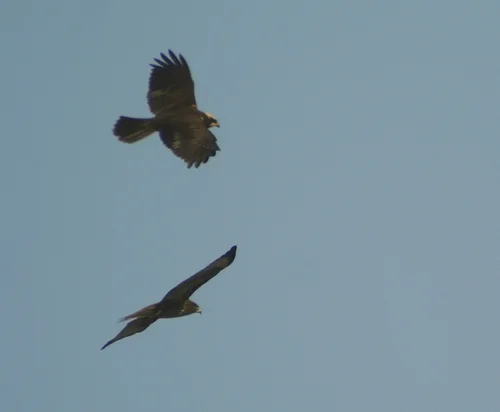
Marsh harrier and common buzzard soaring over our heads.
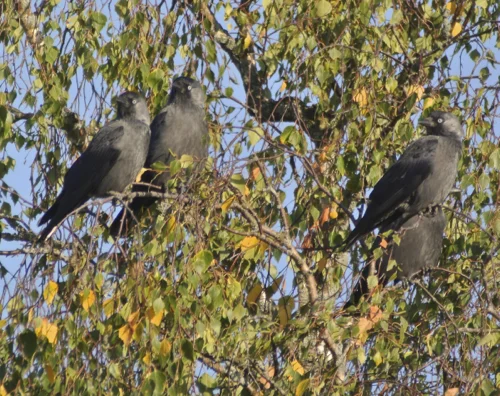
Swedish jackdaws.

White-tailed eagle.
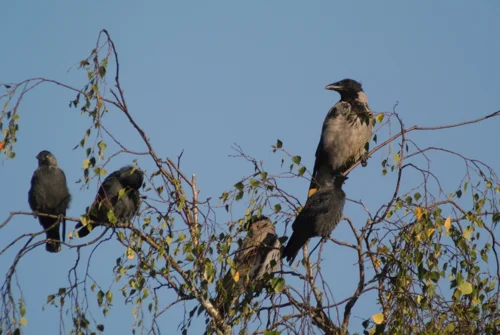
Hooded crow and jackdaws.
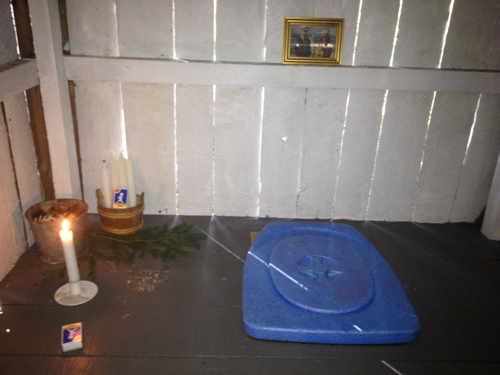
Apparently is customary to have a photo of the king and queen of Sweden in the bathroom. Even in an outhouse.
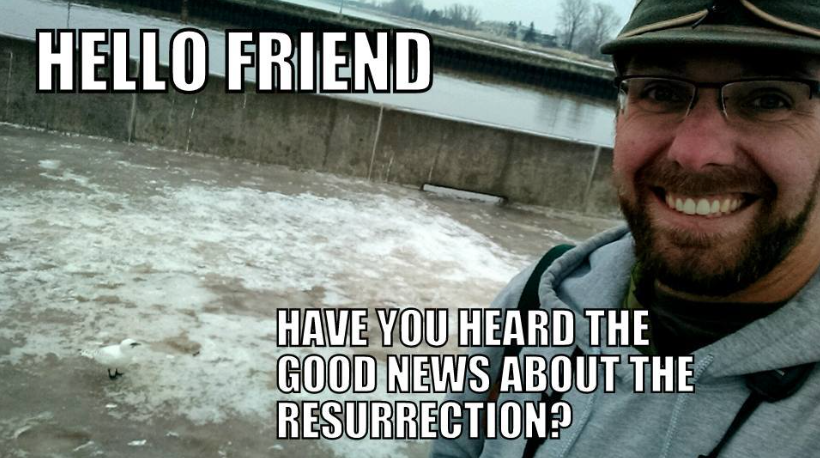
Birder Emotions About The Ivory Gull On January 6, 2016


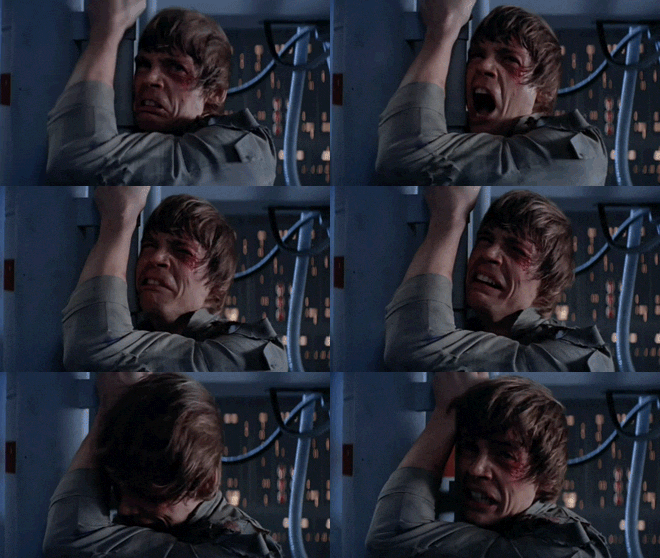
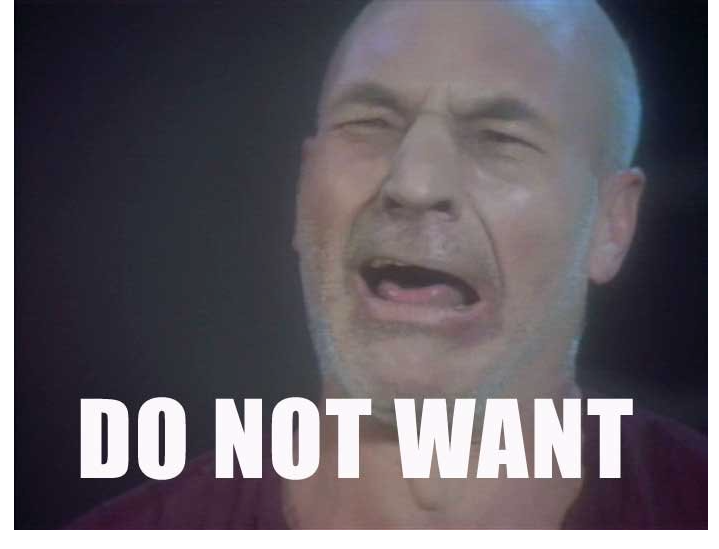


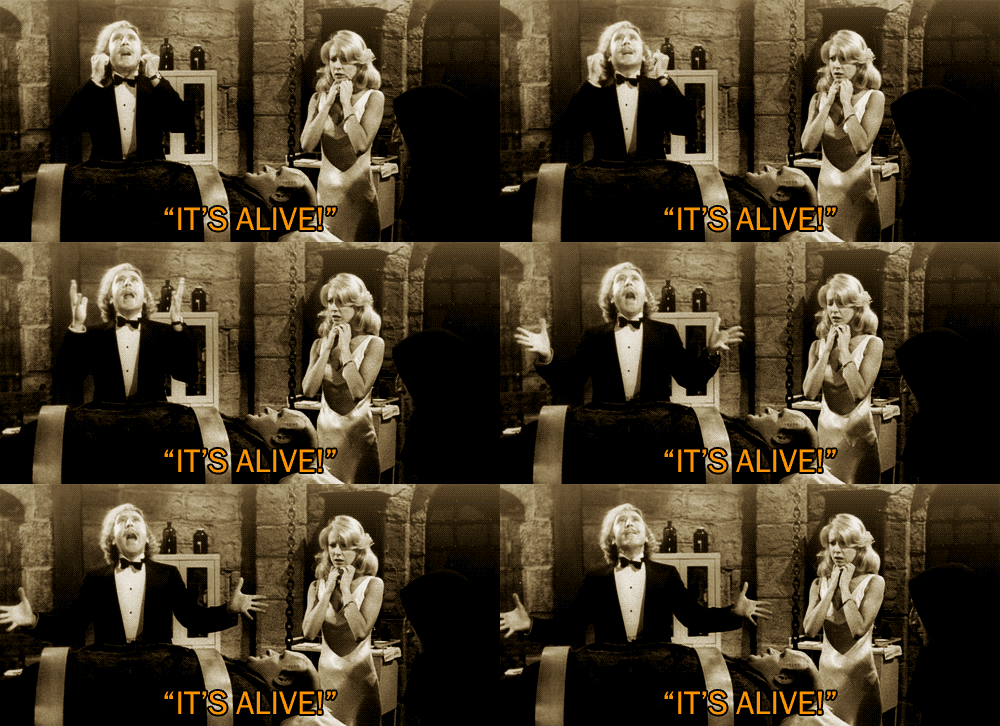
Courtesy of Nathan Swick.
Courtesy Michael Retter and Nathan Swick.

Sinister Bird Cheerleading
I realized that as my life has shifted to more professional writing, I don't write for my blog like I used to. Once I've written something that ends up over at Outdoor News or Audubon, there's no need to put it here. But I do a lot of writing for other things like Encyclopedia Shows so rather than just leaving that to be scratches in one of the myriad of notebooks Non Birding Bill and I keep, I thought I might as well put it out here for better or for worse. So here is this week's Encyclopedia Show entry on Cheerleading. There is some profanity (gasp).
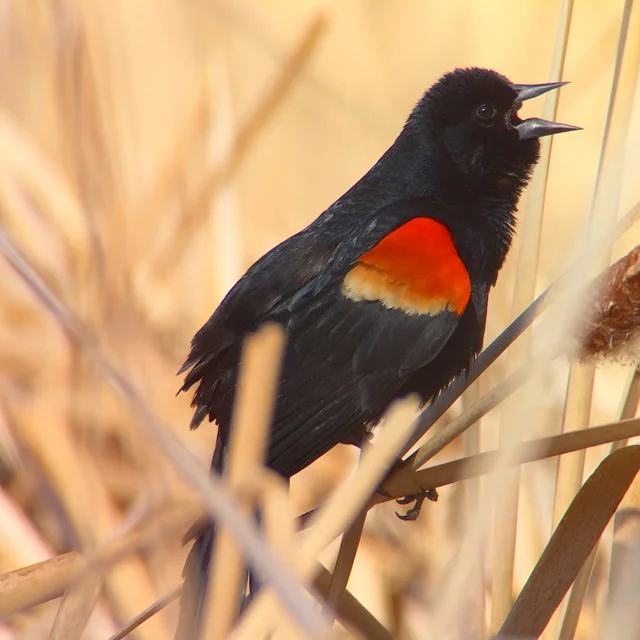
If they chose to do so, red-winged blackbirds would probably make an ok cheerleader.
I don't get cheerleading. I'm not disparaging people to have cheered or currently cheer but I don't get the concept as a whole. But then again, I'm often perplexed by sports ball. We cheer for people with tremendous athletic ability who can tackle each other, or throw and catch an oddly shaped ball from one end of a field to another, or for being able to dodge of bunch of dudes while bouncing a ball and periodically tossing it into a round net. I find the find the sports industry as strange as I find the spectacle of the fashion industry.
Maybe it’s because most of the things I do aren’t cheer related events like birding or paint by number. No one ever cheers you while birding:
“2-4-6-8!
Who just got a magnificent frigate?
Birdchick! That’s right, bird-bird-bird-bird Birdchick!”
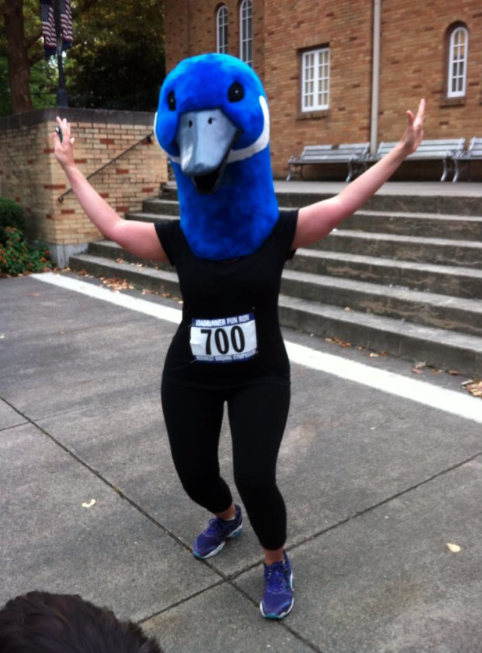
Me at a running event.
For me personally, I don't find cheerleading useful. Every now and then I get in my head to do a 5K. I'm not great at it. My rules for a 5K are:
1. Finish.
2. Don't die.
3. Don't be last.
My reasons for doing 5ks isn’t any deep spiritual thing. It’s to keep eating in the manner in which I have become accustomed and if there ever really is a zombie apocalypse I'll have a reasonable chance of surviving the first round of killings. I've never experienced the "runner's high" that people talk about, but then again the people who tell me about it tell I need to do a longer run and that you really feel it at the 8k mark. Blah. I'm lucky to make it to the 5k mark.
When you run at events, there are people who are cheering you on...complete with cowbell, usually at the halfway mark or towards the finish. When I get to that point I'm not that thrilled with the cheering because my brain is generally to the point of, "Hey, you know a walk/run is a perfectly valid way to finish this and would probably burn more calories...aw, fuck. Fuck. Fuck. Fuck, people are cheering us, we can't stop and walk now we have to show them their cheering is working, keep running. Fuck. Keep running."
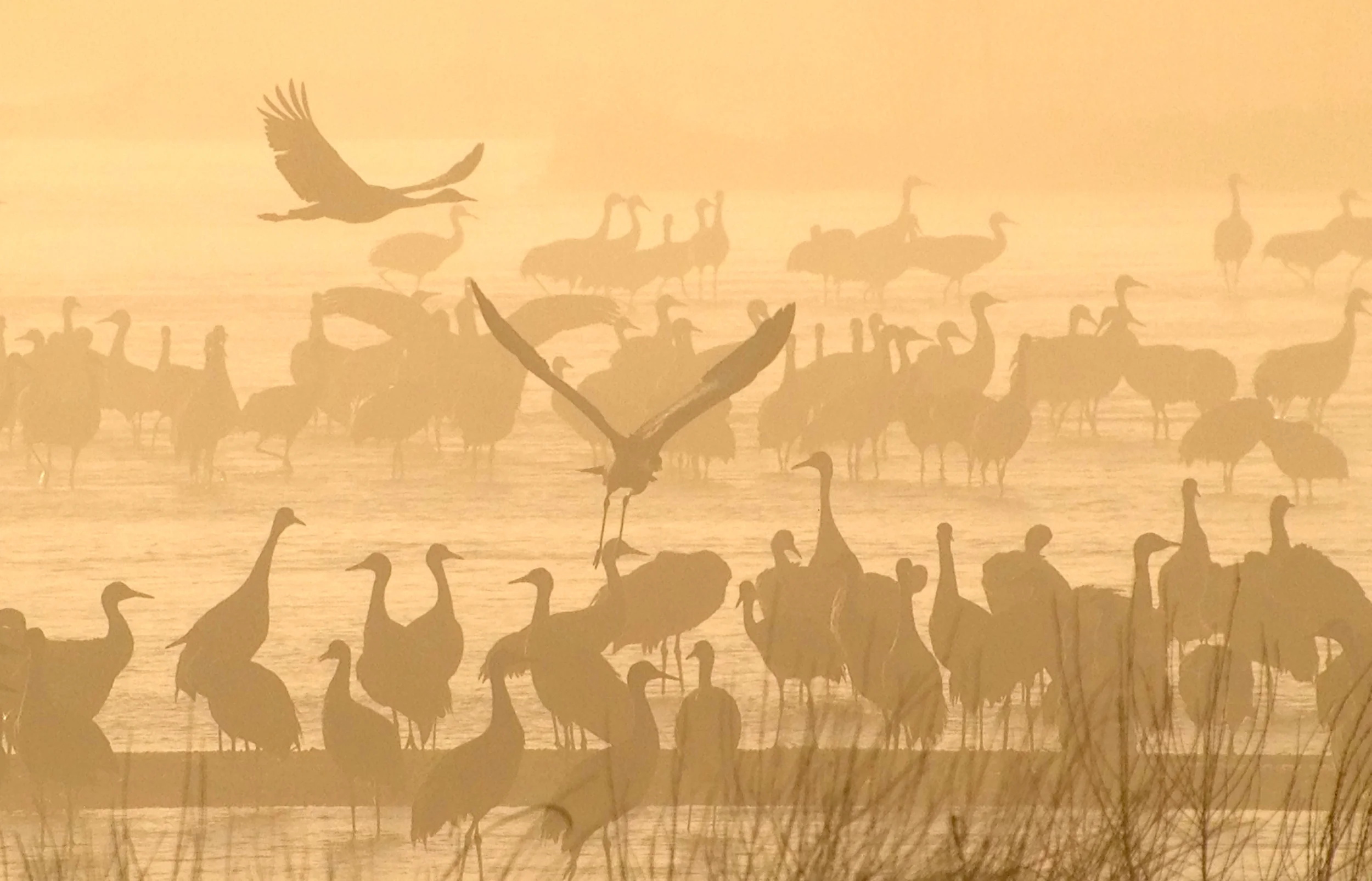
Cranes at dawn in Kearney, Nebraska.
But I have had occasion to see birders cheer odd things like actual life and death instances. I was co-leading a trip to Kearney, Nebraska to see a million snow geese and about 40,000 sandhill cranes pausing in their northward migration to their arctic breeding grounds. The highlights are going to the roost at dawn and at dusk to see the massive congregations of birds. When you aren't in the crane blinds you drive around to watch the birds forage for waste corn in the surrounding farm fields. Our group was watching a large flock when the birds suddenly spooked and took to the sky forming a huge gray crane tornado.
We soon saw what panicked the birds--an adult bald eagle was making tracks for the center of the tornado, its sites clearly set on one particular crane. The eagle made contact and clipped the crane, the bird flipped, the eagle rounded again and went to catch it. Meanwhile, everyone in my group was cheering. Half the group was cheering for the eagle and the other half were cheering for the crane to get away. As opposed to a football or a basketball game, they were literally cheering a life and death situation. One bird was trying to avoid starvation, the other bird was trying to avoid being eaten.
The eagle again dove for the crane and this time made actual contact. The crane was literally upside down and the eagle had at least one foot-full of talons lodged in the crane's belly. Bald eagles and sandhill cranes are roughly the same weight, averaging about ten pounds (give or take a pound or two). Even if this had been a twelve-pound eagle, it can only carry half its weight in flight. The captured crane flapped its wings and was able to dislodge itself from the eagle's grasp. The crane managed to right itself and fly away from the eagle.
Then it did something interesting—the crane made a beeline for our cheering group. The eagle turned and was in hot pursuit. The crane left the flock and flew right over our bus, meanwhile the eagle paused and went around our screaming group giving the crane some much needed distance to try and flee the eagle. In hindsight I wondered if the crane sensed the eagle would be wary of humans or was just so terrified of being eaten that it didn’t notice us? The surrounding din of thousands of cranes would have easily drowned out our voices. Eagles do not like to fly over anything dangerous so our group would have given it pause. But the eagle increased speed and continued after the crane. Both birds flew well out of sight and we never saw the finish but that adult eagle seemed determined and depending on how injured that crane was, it was very likely the eagle caught up to the exhausted crane and finished it off.
The adrenaline of the group wore down but we all noticed how strange it was to cheer and shout for that battle. What did say about each other and the side we chose?
I wondered if there were instances of birds cheering. I scoured my bird books and wondered if perhaps parent birds cheer on their kids when learning to fly?
No, not really, they either kind of sit aloof watching what happens. If anything, they taunt their young by not feeding them. And then perching some flight distance away starving the kids into flight.
Birds definitely scream and yell, usually when a predator is present and they are screaming and yelling: “Hey guys, there’s a thing right here that’s trying to hide and kill us!”
But I think the closest I came to finding a bird cheering is from a book called Mind of the Raven by Bernd Heinrich (which is a fantastic book).

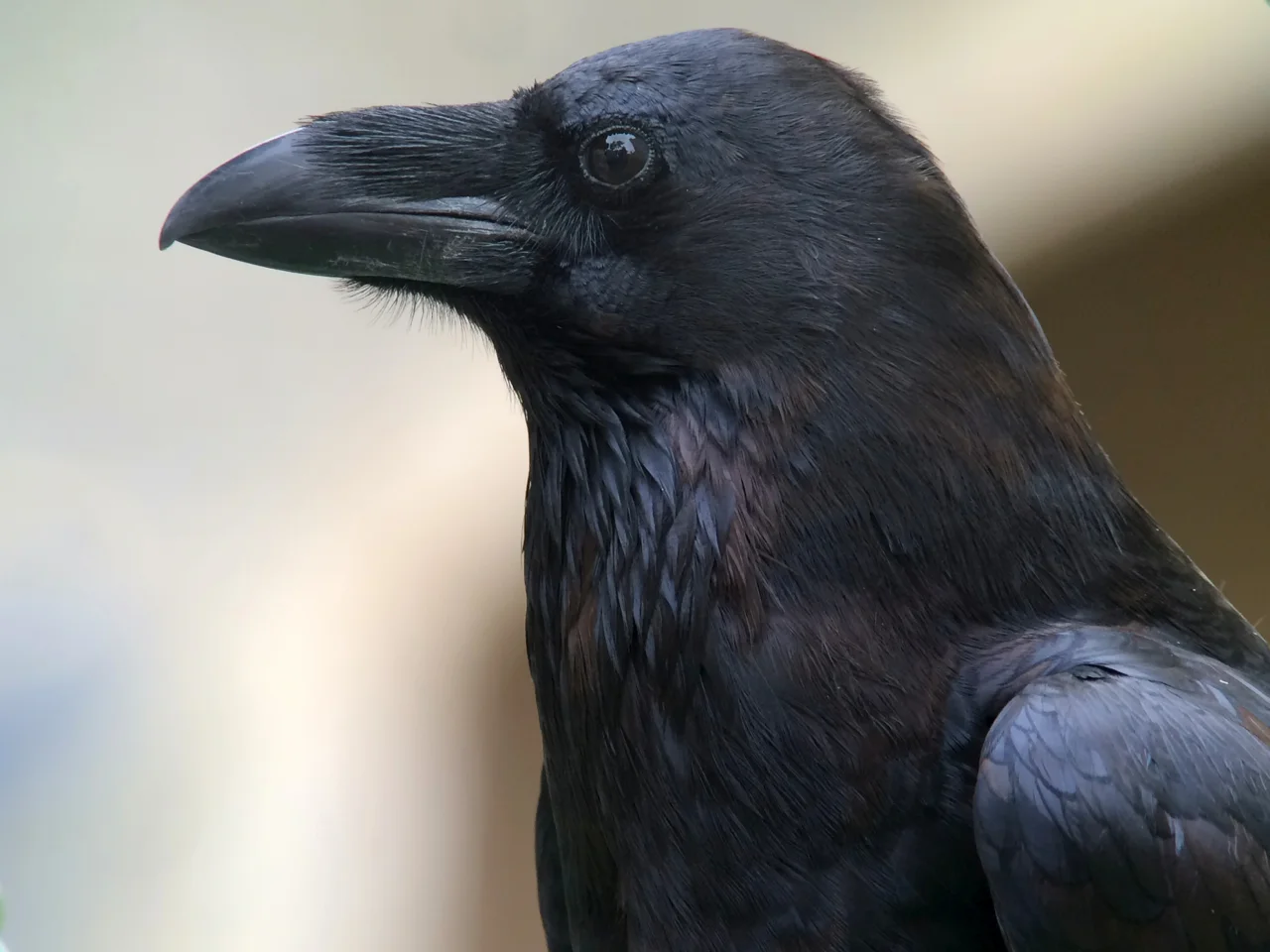
Beware the mind of a raven.
The story is about a 98 pound woman who didn’t even clear five feet in height. One evening she was working behind her Colorado cabin. For about twenty minutes a raven had been annoying her because it was “putting on a fuss like crazy.”
“I never paid much attention to ravens,” she told me, but this one was so noisy it was downright irritating. The noisy raven kept coming closer…Hannum had never before noticed ravens “cackling like crazy.” Was this raven trying to say something? She started to listen more closely.
The raven was close, and it made a pass over her calling raucously then flying up above her to some rocks, where she finally saw a crouching cougar, twenty feet away, ready to pounce.
The lion moved his head just a bit as the raven flew over. That’s when I saw him. I never would have seen him otherwise. He was going to jump me. That raven saved my life.”
The event was declared a miracle in the news.
Heinrich saw a miracle but not the way Hannum saw it. Ravens have no interest in helping people, especially someone who never paid them any attention or fed them. That raven wasn’t warning her. That raven was cheering on the cougar. The idea is that the raven saw the woman as a source of food. Not having the talons or teeth to kill her itself, it noticed a cougar nearby and called it in to kill her. The cougar wouldn't eat her all but would open her carcass enough and leave enough behind for the raven to feed on.
That raven noticed a cougar nearby and a small human that raven was cheering that cougar. Perhaps it sounded something like this:
“Hey, you could kill this right now!
Go Cougar go!
Pounce Cougar pounce!
Kill Cougar kill!
Go! Pounce! Kill!"
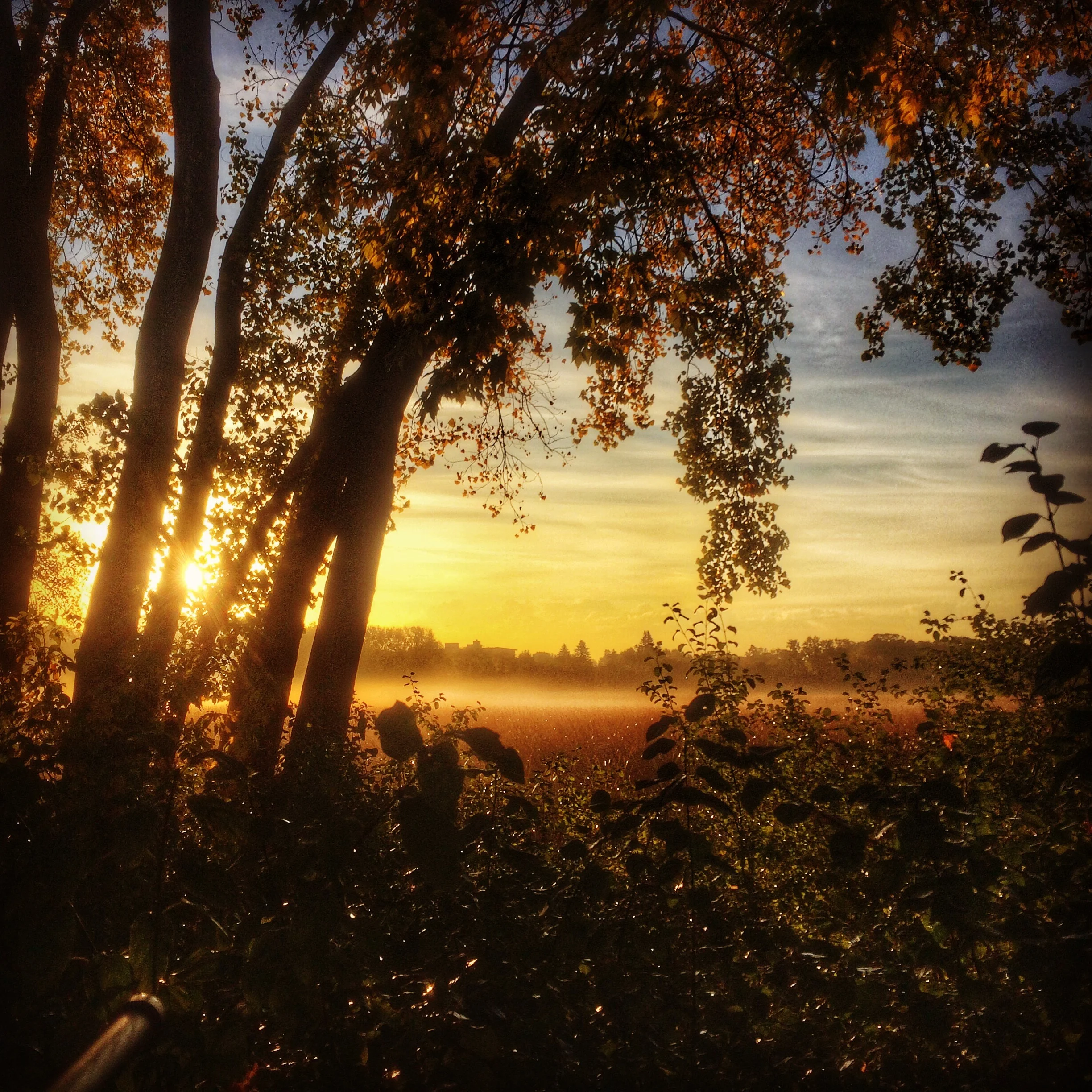
New Birder Advice
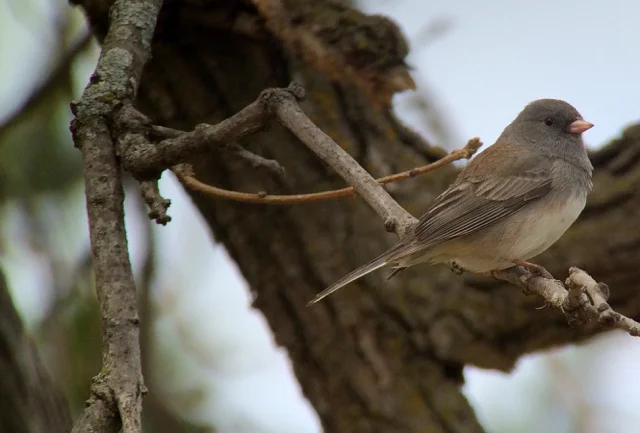
Insert the Ned Stark joke here: winter is coming, juncos are in full force in Minneapolis. My patch is full of them right now and always taking a moment to observe even a common bird like this can imprint their shape and behavior on your brain.
I was recently on Jekyll Island for the Georgia Ornithological Society annual meeting and I had a blast. What really impressed me was not only the diversity of birders but the mix in ages. I met Evan who runs the Georgia Young Birder Club and he asked me what is the one piece of advice I would give new birders. I had to resist the smart ass part of my brain that wanted to answer, "never drink scotch under 15 years of age" or "avoid the clap" but I managed to retain a modicum of adulthood and gave what I hope is a better answer.
My initial advice is always to try and find a place and do your own informal bird survey. Whether that's picking a spot or a few nearby spots and doing weekly 20 minute point counts or visiting it as much as possible. You learn so much about about the birds that visit, pass through and breed there. That's been my big takeaway doing bird surveys over the years. I've now adopted that with my local patch.
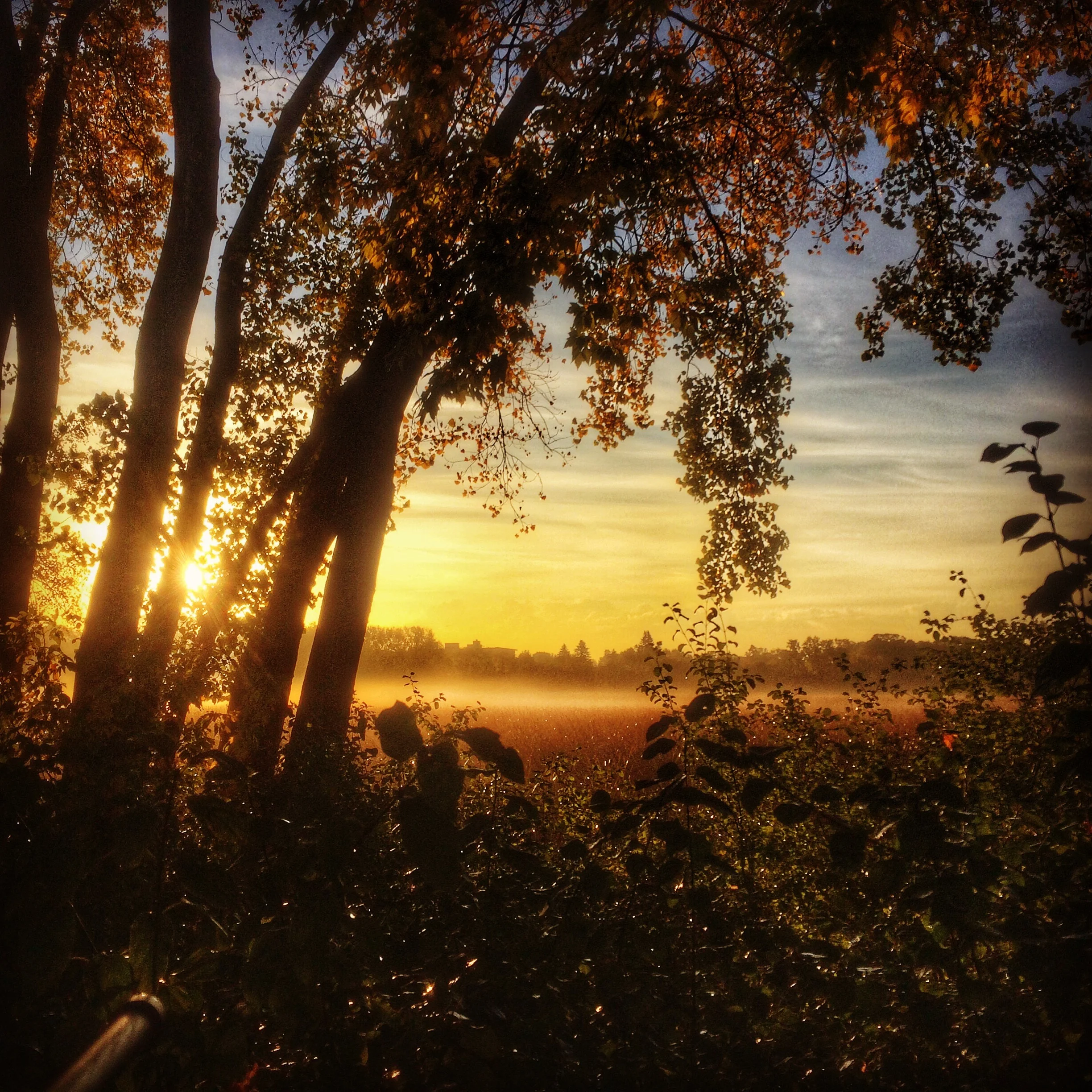
My patch on a brisk fall morning. Thanks to a hard overnight rain, the air was thick with the aroma of wet autumn leaves.
I discovered my patch not long after we moved a year ago. I ran into a fellow eBirder not too long ago and they said, "You're always turning in lists from this spot when you should really do this other spot, the birding is better."
That may be, but I love my patch because it's in easy walking distance from my home. If I find myself with a spare hour, I have time to not only bird my patch but add over 5000 steps to my step tracker app. It's a win/win.
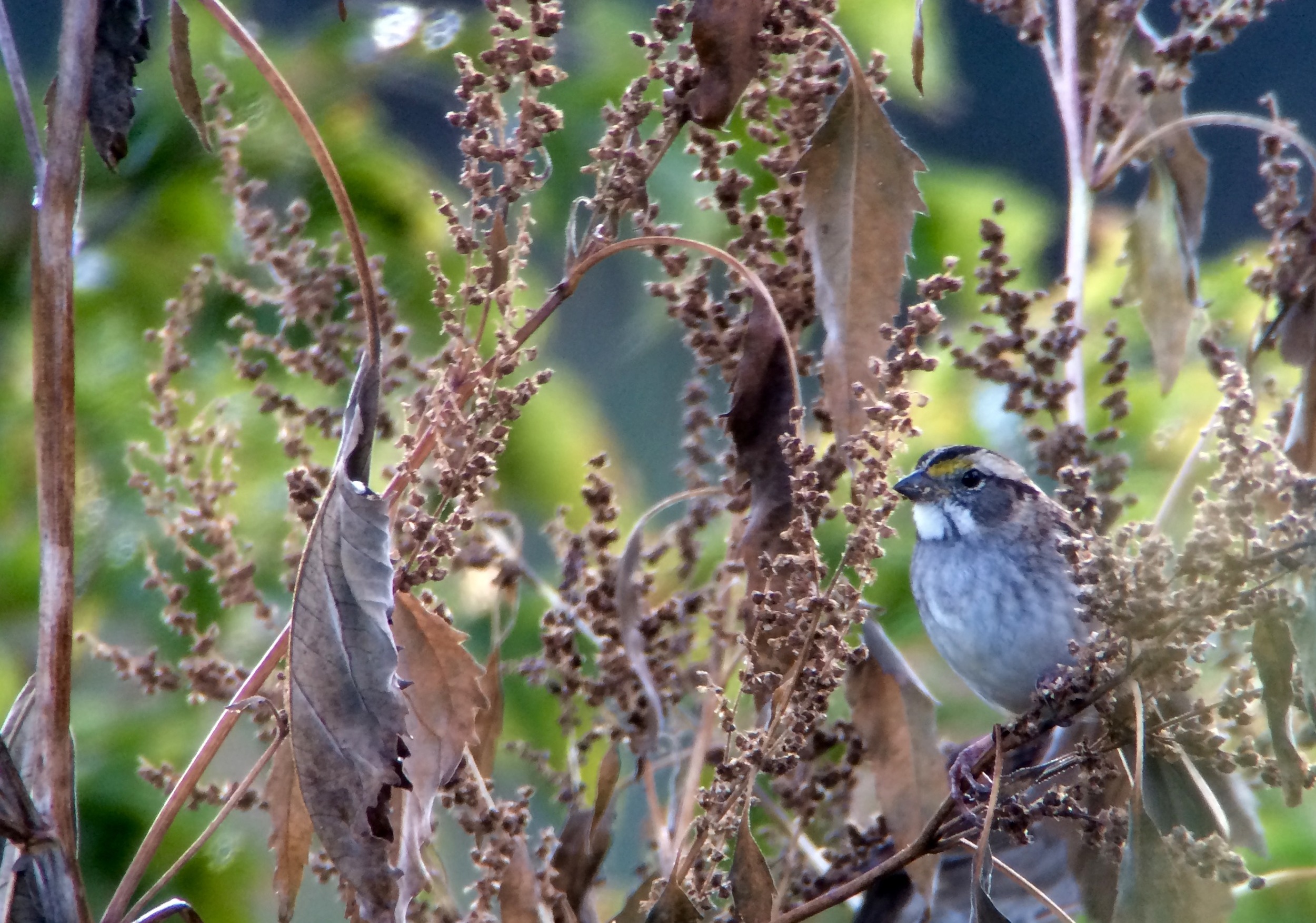
One of the hundreds of white-throated sparrows lurking about in my patch today.
My other advice is that if you do not have children and you have a choice between birding and responsibility...choose birding. Always. I've never regretted that decision (my credit cars maybe have, but me personally, no). My classic example that I've pointed to before is the time years ago when I random day off of the bird store and though I should have used that day to do things like clean the kitchen and tackle the piles of month old laundry, I decided to take a day trip up do Duluth to see Hawk Ridge. The winds were supposed to be perfect for a good broad-winged hawk flight, right out of the northwest. Even as my car reached the outer suburbs, I almost turned around, "You're an adult now, you should really do laundry," but my bird side won out.
It ended up being a record day for Hawk Ridge and over 100,000 broad-winged hawks were tallied that day. It was magical. And I would have hated myself had I chosen to stay home and do laundry instead.
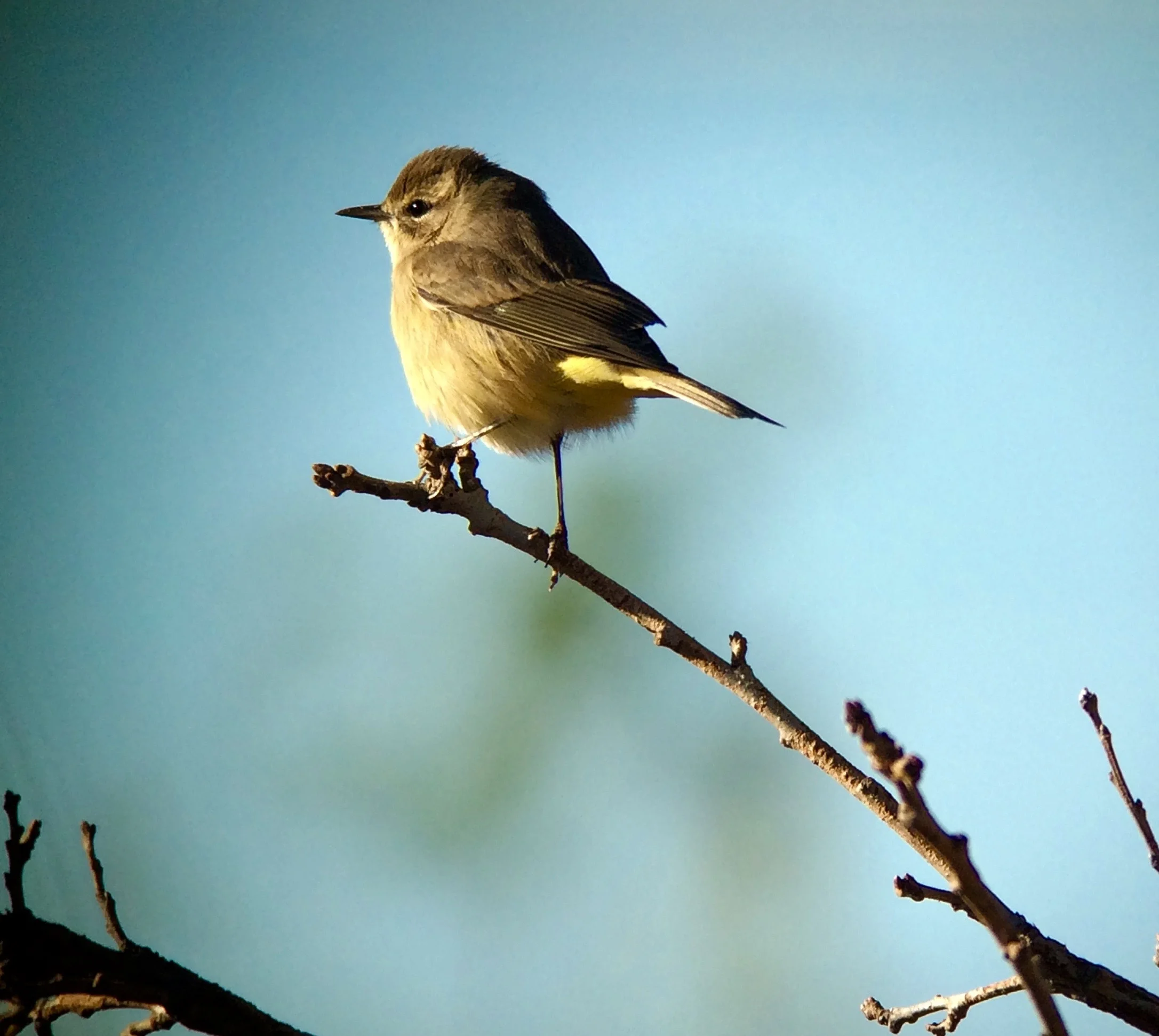
Palm warlber.
And unless I'm just home for a very hardcore birding trip or survey, I generally try to avoid laundry, vacuuming, cleaning out the fridge, etc as much as possible and go birding. Last night I was biking through my patch and almost hit a Harris's sparrow that flew in front of me. I knew that if I went to bed before midnight and got up at 6:30am (or about) I'd have enough time to walk my local patch, get some birds and get cleaned up for a day at the park service. I was hoping to digiscope the Harris's sparrow but also I just like looking for sparrows in the fall. All those lovely combinations of brown, rufous, gray, buff and heck if I'm lucky enough to find a Nelson's sparrow, even pumpkin color.
I did get some yellow-rumped warblers and palm warblers but there all kinds of great sparrows: Harris's still (though none were obliging enough for a photo, swamp, fox, white-throated, Lincoln's and quite a few song sparrows.

First winter chipping sparrow.
At first glance, I really wanted to turn the above bird into a clay-colored sparrow when I first saw it but my patch isn't really clay-colored habitat. After a bit more observation showed the bold eyeline of a chipping sparrow and it lacked the white "muttonchop" look of a clay-colored. Chipping sparrow makes way more sense for this habit anyway. A bummer to not add a new species but I do enjoy sorting out tough species. If you've never noticed how similar these two sparrows can look in the fall, check this out from the Sibley app:
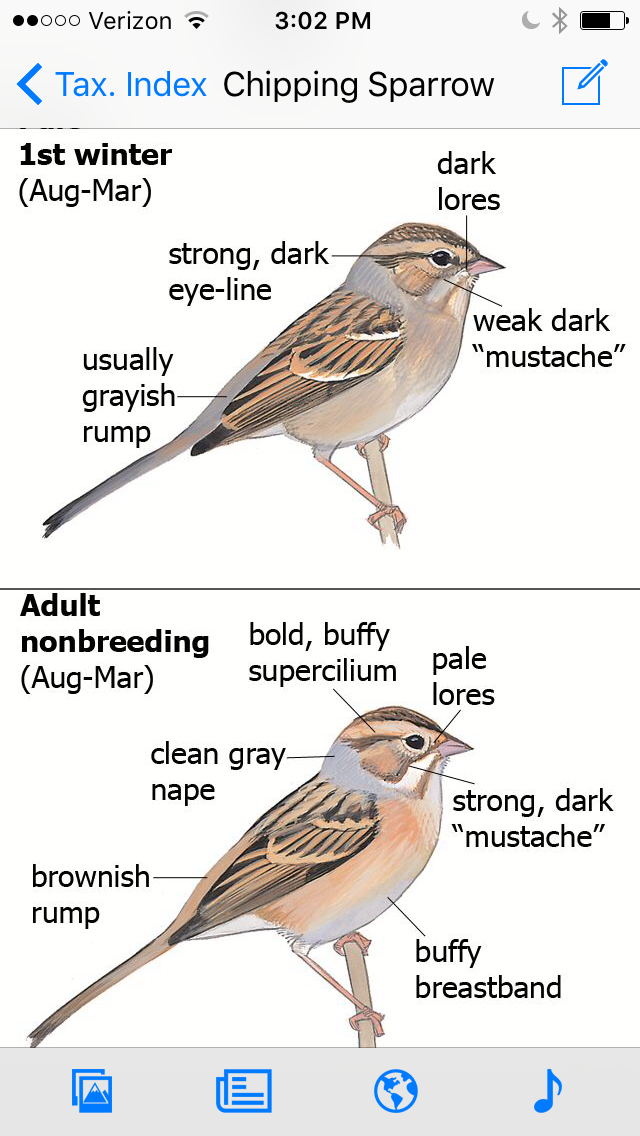
First winter chipping sparrow is on top and non breeding clay-colored sparrow is on the bottom--they're practically twins! Mercifully, they are way easier to separate in summer.
A Birder's View of the Grand Canyon

A Clark's nutcracker perched on the rim of a tiny piece of the Grand Canyon in dawn's early light.
I recently returned from some training at the Grand Canyon and two things made an impression:
1. Nothing can really prepare you for the Grand Canyon. Sure, maybe you saw the Brady Bunch episodes filmed in the canyon or perhaps a trip in a commercial jet has taken you over it, but standing there on the rim and staring down into the gaping maw of ancient rock that goes a mile deep and you suddenly realize, "Oh hey, that's fault line"...it kind of bowls you over.
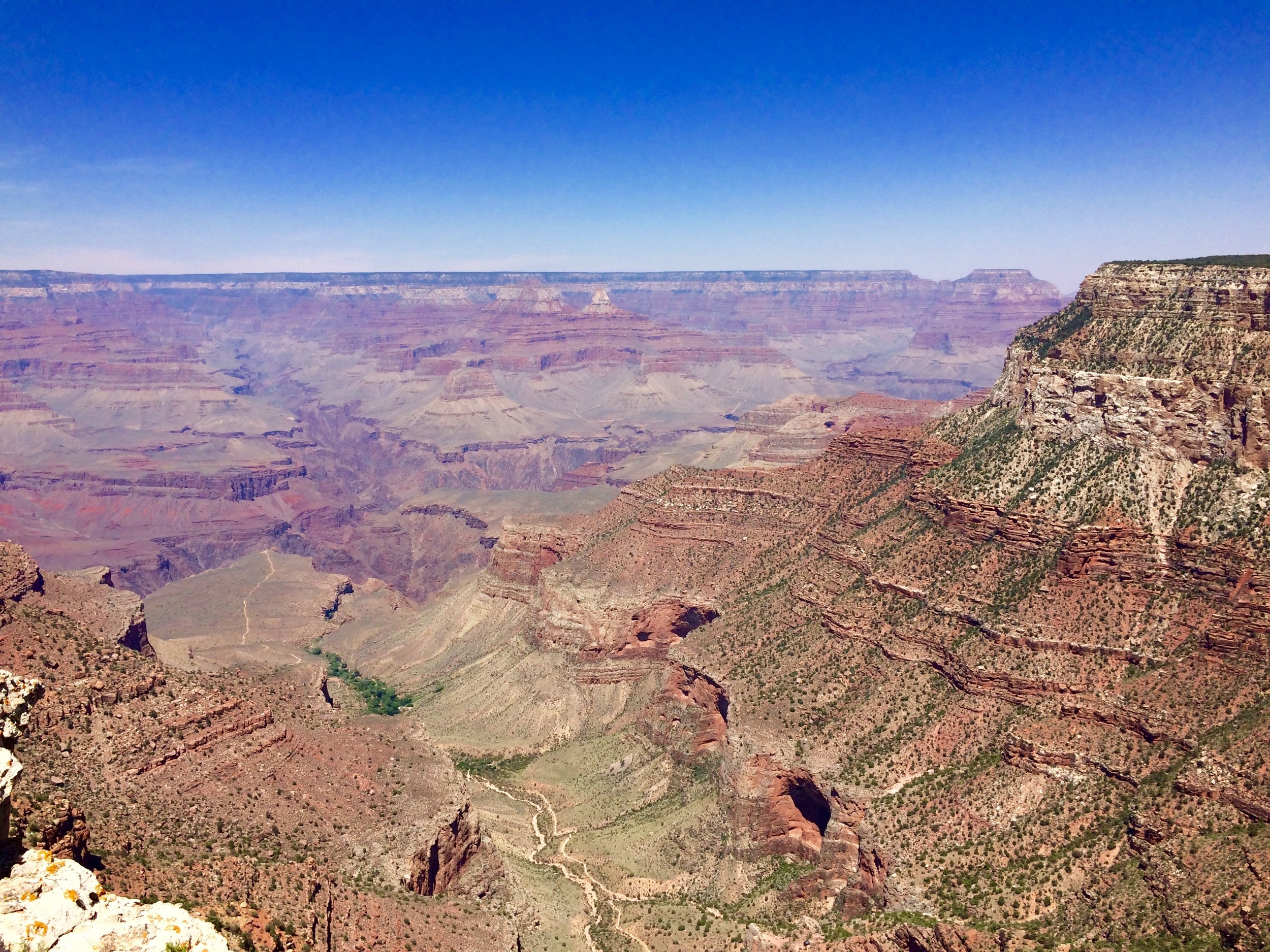
The South Rim of the Grand Canyon. I love how insignificant I feel looking into this crazy deep hole in the ground.
I think my friend BirdSpot put it best, "This place cannot be oversold."
2. How do more people not die at the Grand Canyon every year? They get about 5 million visitors and average only 12 deaths a year. That's pretty incredible given some of the dangerous terrain and quite frankly, the average person's ability to do something stupid like texting and walking, going off trail because that one ledge would be a really cool selfie on Instagram or just tripping over your laces.
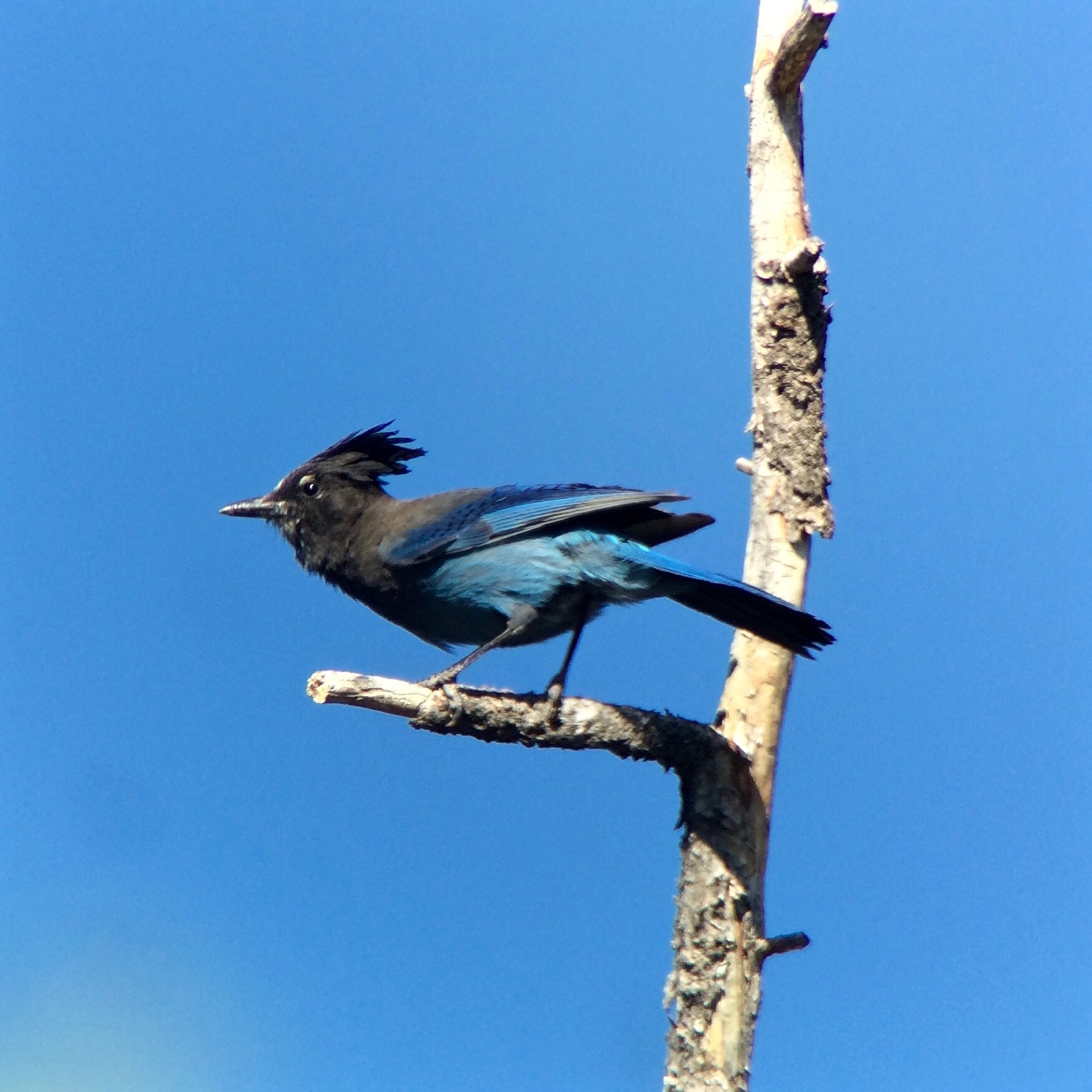
Stellar's Jays were all over the South Rim.
I was primarily there to get some training in and though it was several days long we had time in the morning and evening to explore and even two whole days off in the middle. Our training facility offered bikes for us to use to explore the area. I was up early every morning because I was used to a different time zone and I thought it would be fun to bike around the rim before my classes. I got a hard less in that high elevation turned what would be perfectly reasonable hills in Minnesota into thigh and lung torture at 6000 feet in Arizona.
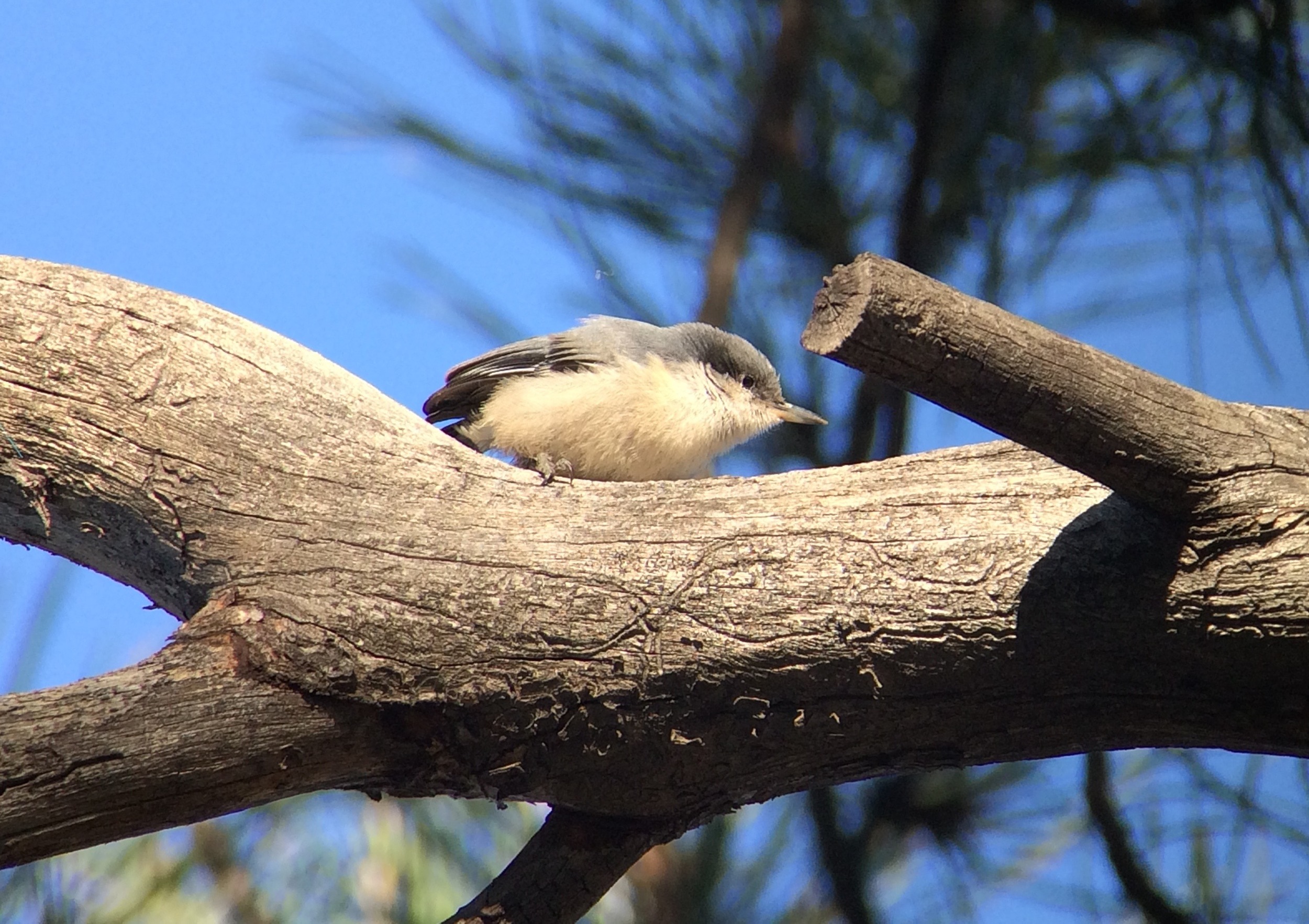
One of the dozens of pygmy nuthatches that surrounded my room at the Grand Canyon.
I opted instead to go birding around my dorm in the morning and opened it up to others who might interested. There were some great birds to be had including oodles of pygmy nuthatches, ash-throated flycatchers (one even nested on the training center's dorms), mountain chickadees, black-throated gray warblers, white-throated swift--basically a host of cool southwestern birds that a northern girl like myself doesn't get to indulge in very often.
There were also large herds of elk and mule deer. I don't trust any animal with a hoof and it was incredibly unnerving to walking out of your room at night and find yourself within ten feet of the butt end of an elk. I did my best to give them a wide berth but they really liked coming close to people.
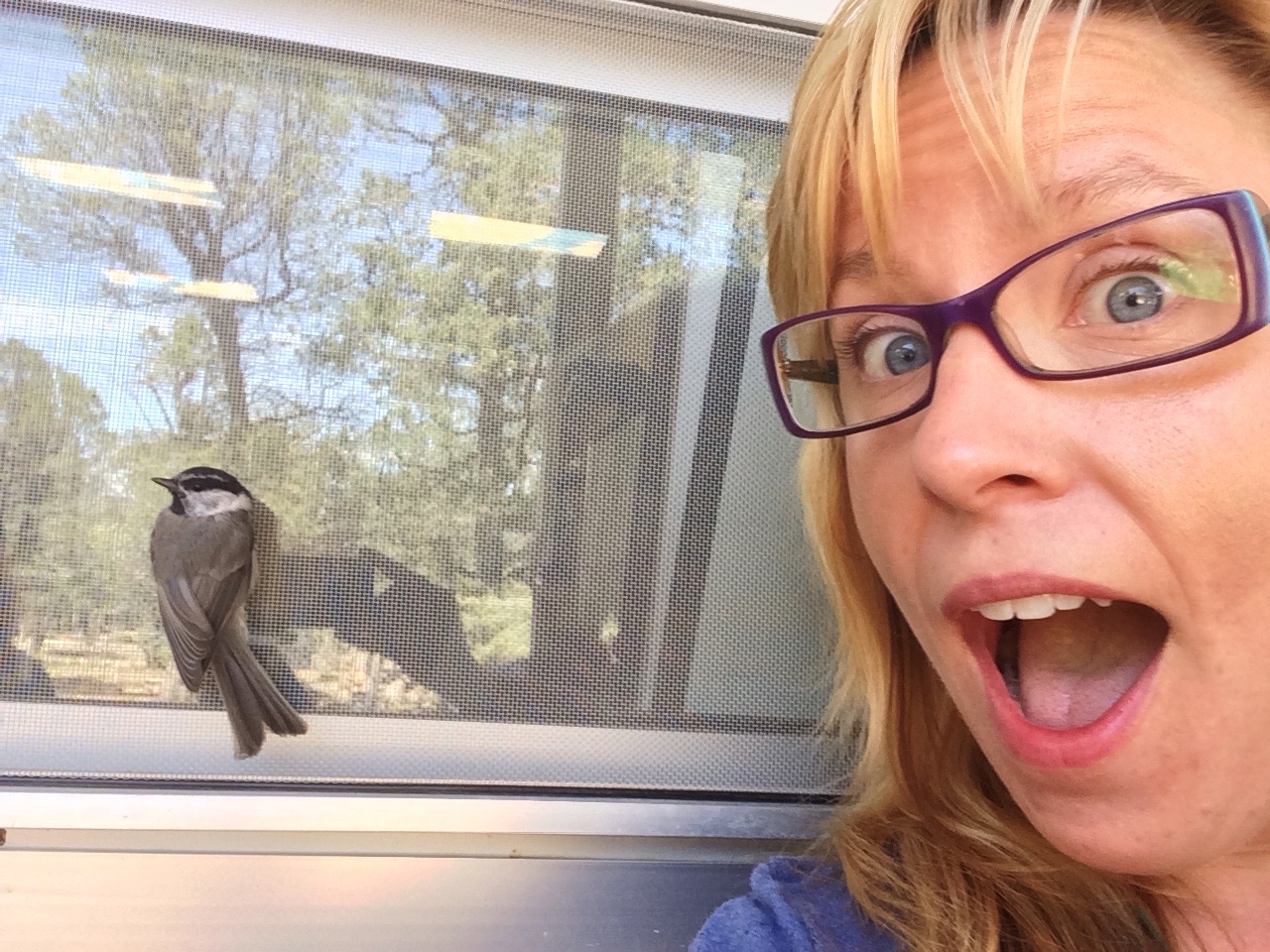
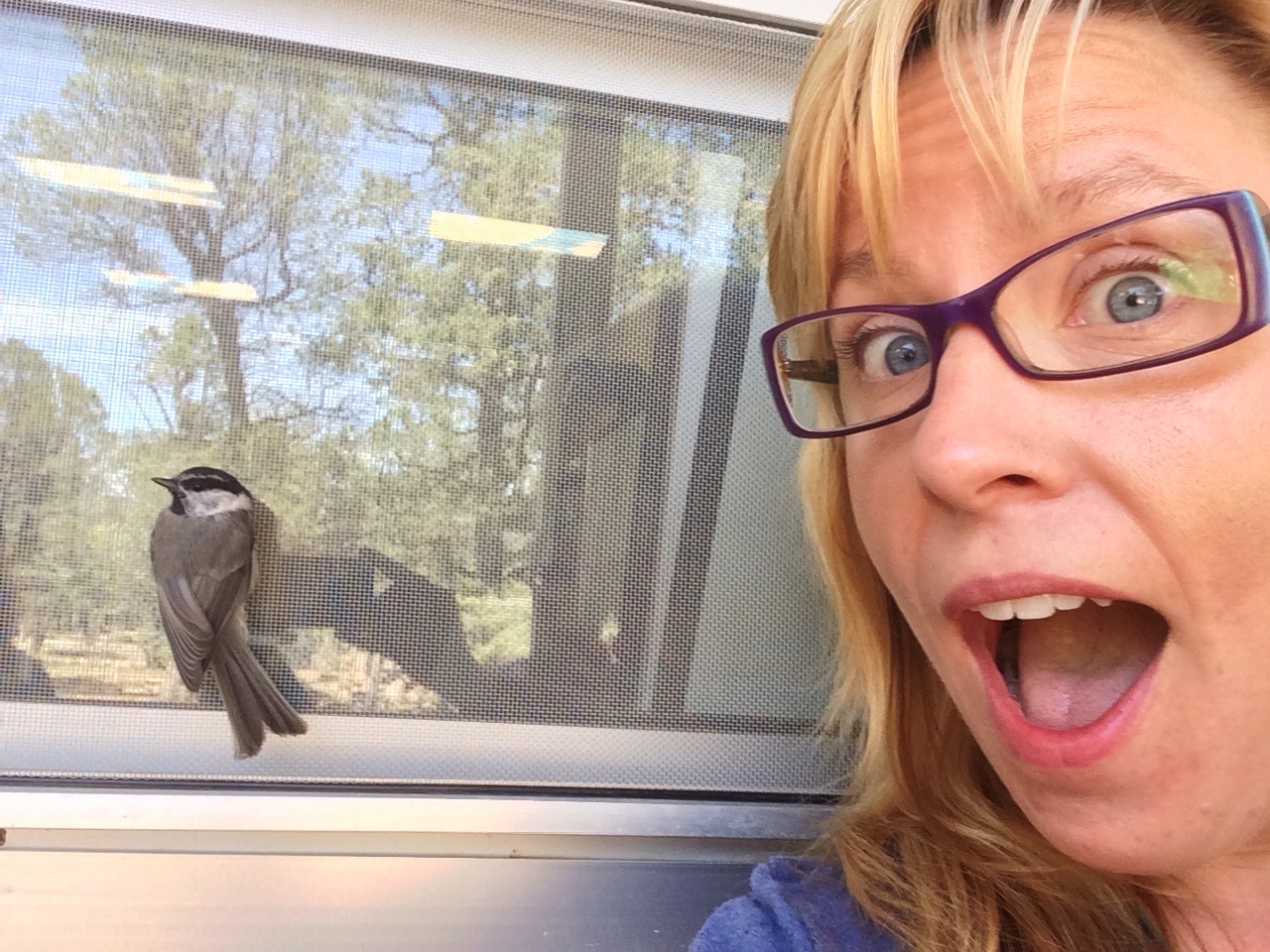
This was a young mountain chickadee that was trying to glean insects with its family from the overhang and screens around our building. Being young and naive it let me grab a quick selfie before it flew away.
For my day off I found a spot using the BirdsEye app that reportedly had painted redstart, nutcrackers, western bluebirds, western wood-peewee and other southwest specialties. It was a different part of the canyon to explore and thought it sounded like a fun spot. Due to the heat and daylight hours I thought I'd start at 6am and offered it up to others in my class to come along.
Now comes the weird part. This was a training for people who work in the National Park Service. I was the only birder. Oh sure, there were one or two who knew local and specialties species of their parks but going birding outside of their parks? Crazy!
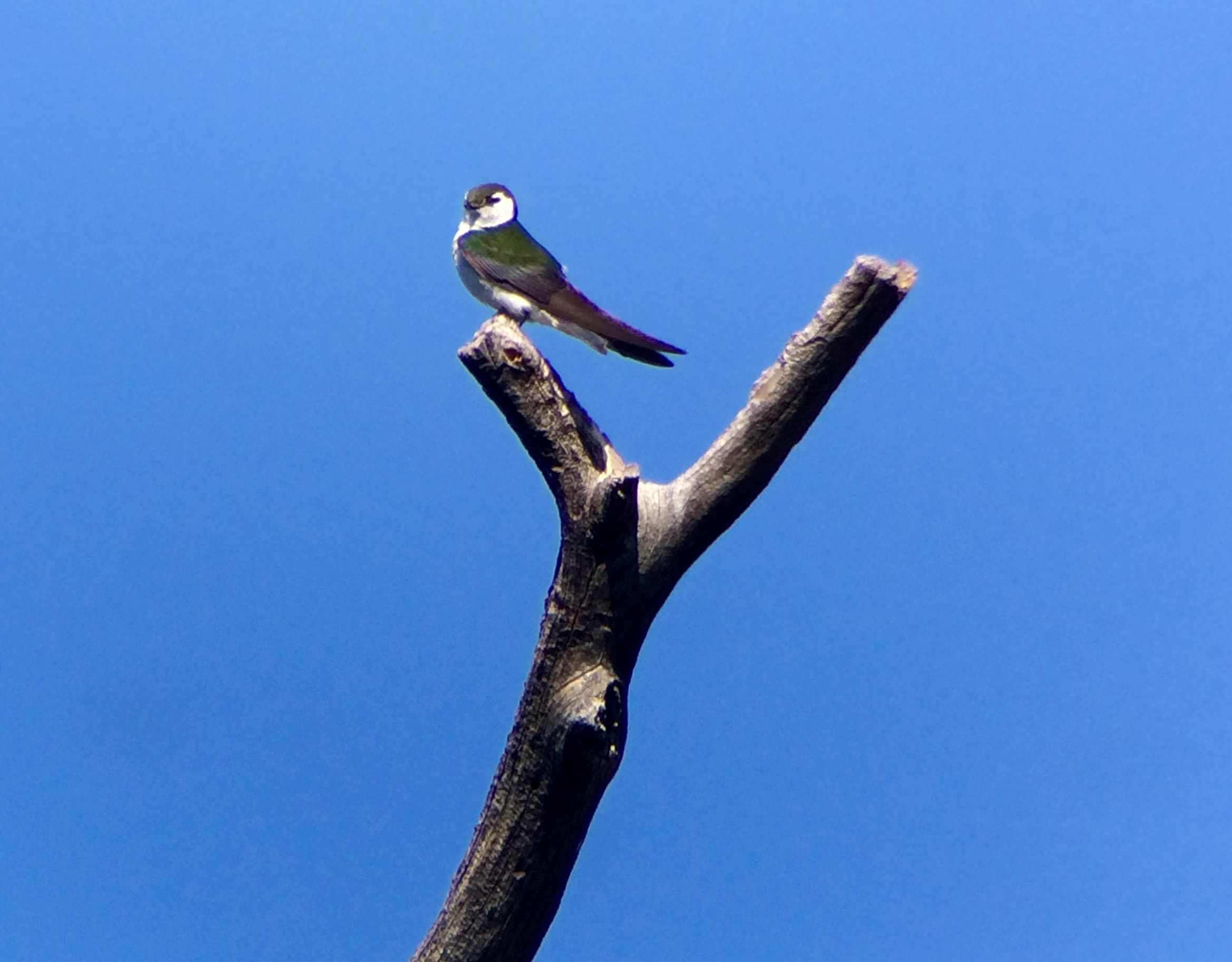
Violet-green swallows were all over around our dorms and the canyon. Oh how frustrated I was this time last year that I didn't have time to fly to a spot to video one for our web series.
It gets better. We had the option on our two days off of getting a permit to go hiking into the bottom of the Grand Canyon. While I was there it was in the 90s--granted that's a dry heat but it's still hot. That was just at the rim. Down in the canyon it was actually 120 degrees. So to safely hike in there the group was going to get up at 3am and hike the switchbacks down into the canyon, spend the night (did I mention it's a 120 degrees) get up at 3am and hike back up. Yeah, they were going to go down first and then go up second. That basically sounded like tourture to me. Couple that with the fact they were leaving at 3am and my bird walk started at 6am...I was the reasonable one. How often does birding seem like the more reasonable thing to do?
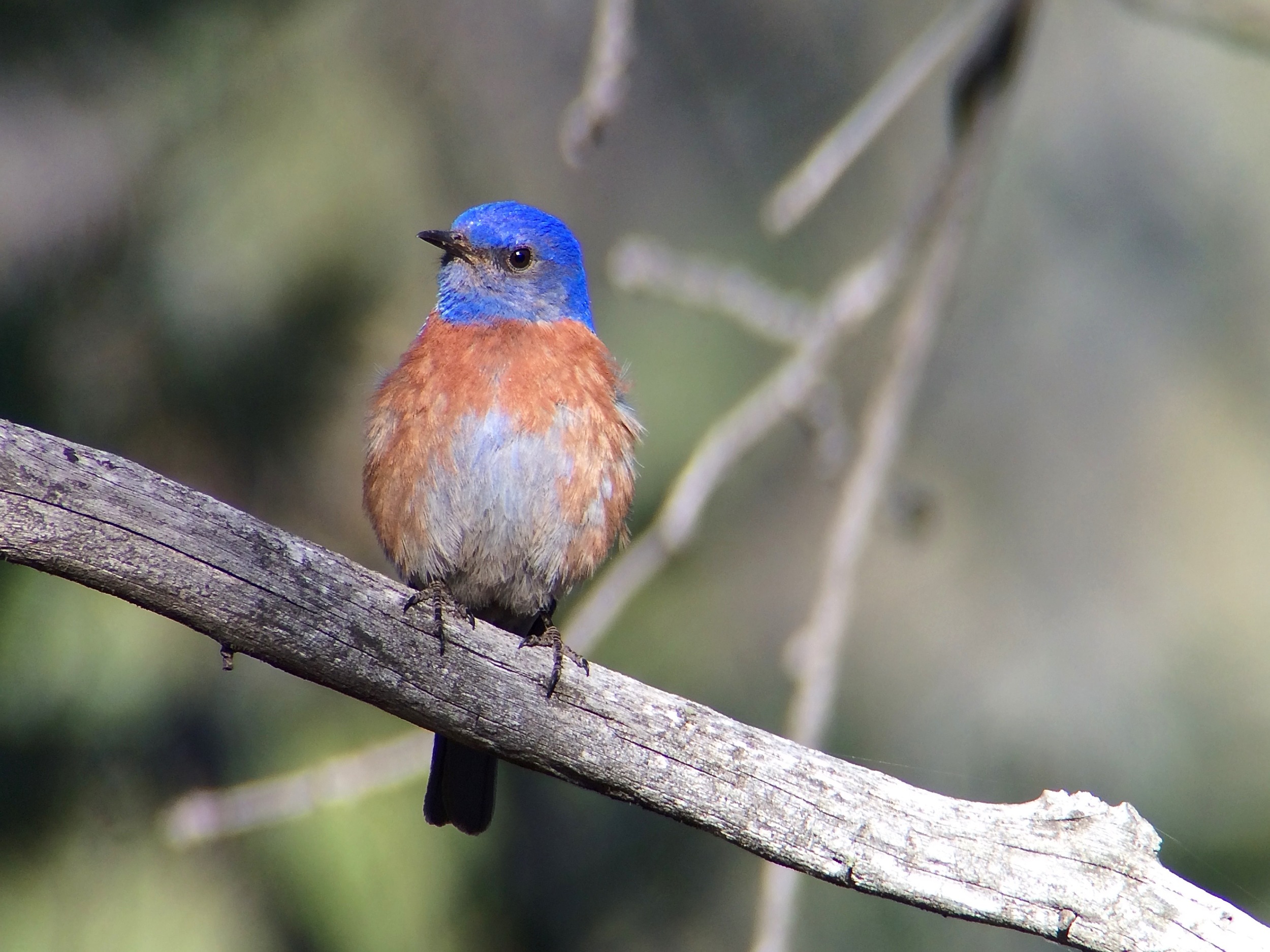
Western bluebird posting outside of our dorms during one of our morning bird walks.
We followed the driving directions in the app and found a nice shady spot among junipers and ponderosa pine for some light birding. We didn't get the painted redstart but we had most of the other birds that were on the eBird report and a singing hermit thrush. Two other intrepid rangers joined me and what they didn't know about birds, they made up for in residual knowledge about wildflowers and trees.

Fellow park rangers Erik Ditlzer and Charlie Kolb aren't just tree huggers but tree sniffers. Charlie told us to smell the ponderosas because they could smell like vanilla or butterscotch. This one smelled like vanilla to me.
But the best part was when we hiked in and came to another opening of the South Rim and had a terrific view of the Grand Canyon...alone. We got to sit and meditate on the grandeur without being surrounded by tourists. There really is no ugly view of the Grand Canyon. Sure, it changes color throughout the day but it is spectacular no matter where you are. But what a treat to sit for an hour or so with friends to talk and not talk and not have people maneuvering about you with selfie sticks. I think it was one of my favorite moments of the trip.
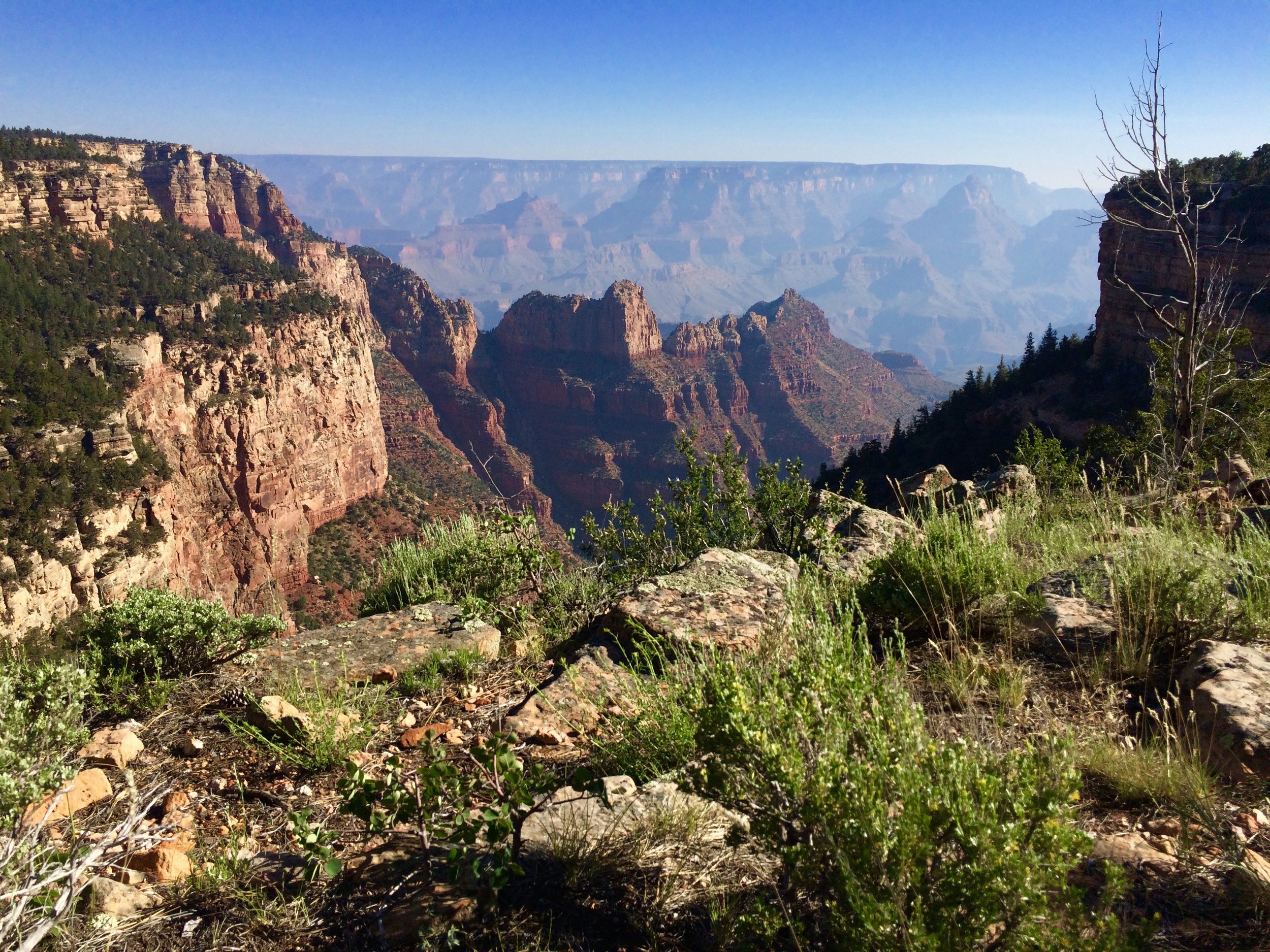
A remote view we found of the canyon where there were no tourists courtesy of the BirdsEye app.
My main goal in coming to Grand Canyon was to see a California condor. I didn't want to just see one perched, I wanted to see one fly. California condors were part of that trifecta of endangered birds I learned about the in the late 1970s and early 1980s: bald eagles, peregrine falcons and California condors were all about to disappear. Bald eagles and peregrines have made quite the comeback, but not condors. There are several factors like the condor's ability to lay one egg a year that contribute to their slow return to the wild. Also it's arguable that this is a species that's on its way out even without humans mucking up the environment. They were meant to forage on the carcasses of megafauna like giant sloth or mammoth not deer or elk. Will this be a species that will forever need human stewardship to stay around?
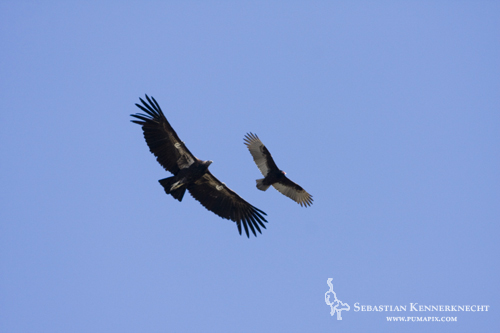
That canyon has a lot of birds soaring about...many of them turkey vultures. Here's a great photo showing the difference between a soaring condor and soaring turkey vulture.
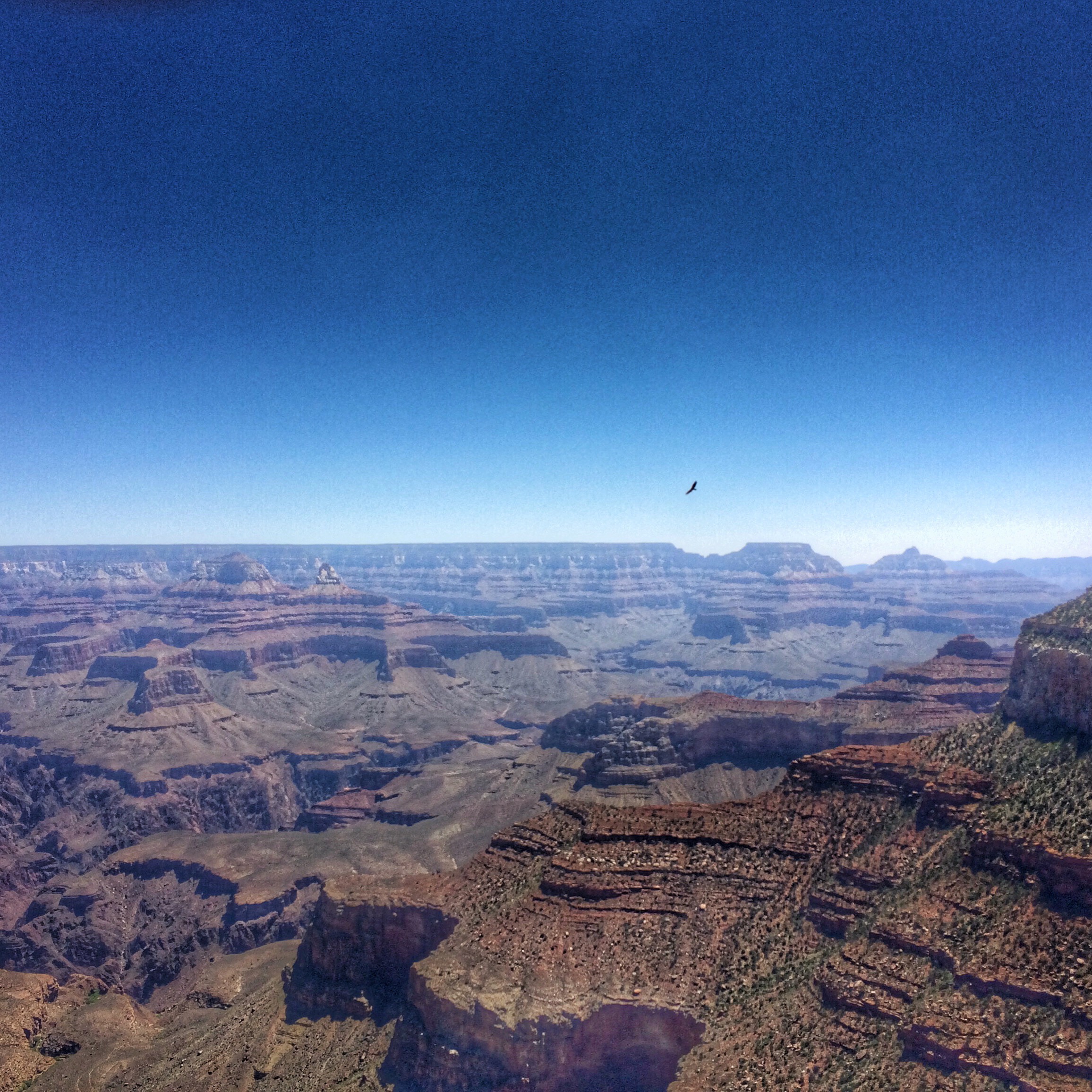
The Grand Canyon with a bird soaring over! No, it's not a condor, it's a turkey vulture.
I've seen condors in captive settings and I've even been in a clinic when one was sedated for examination and got to touch it. But I wondered how something that huge flies. It's kind of like seeing a giant bustard fly, you can't imagine it until you actually see it.
As my fellow park service employees found out about my interest in birds they all wanted to know what I wanted to see. When they learned it was a condor they were all eager to help. I loved how everyone had a vested interest in helping me find a condor--isn't that just like a park ranger, make sure the visitor gets the experience they want. I wasn't too worried. Sure I wanted to see one right away, but I knew I had ten days to find a condor, it had to happen. There are roughly 72-ish birds using the area, one had to fly over at some point. The first few times we went to the canyon as part of our training, I tried to play it cool...but of course I had my scope with me. I got a fast education of just how many turkey vultures and common ravens roam the skies.
Everyone was pointing to large soaring birds asking if I had seen them. "Yes, I saw the turkey vulture." Or to be technical, one day I did say, "Yes I see the turkey vulture...oh wait...oh crap, that's a zone-tailed hawk which flies like a turkey vulture--bonus!"
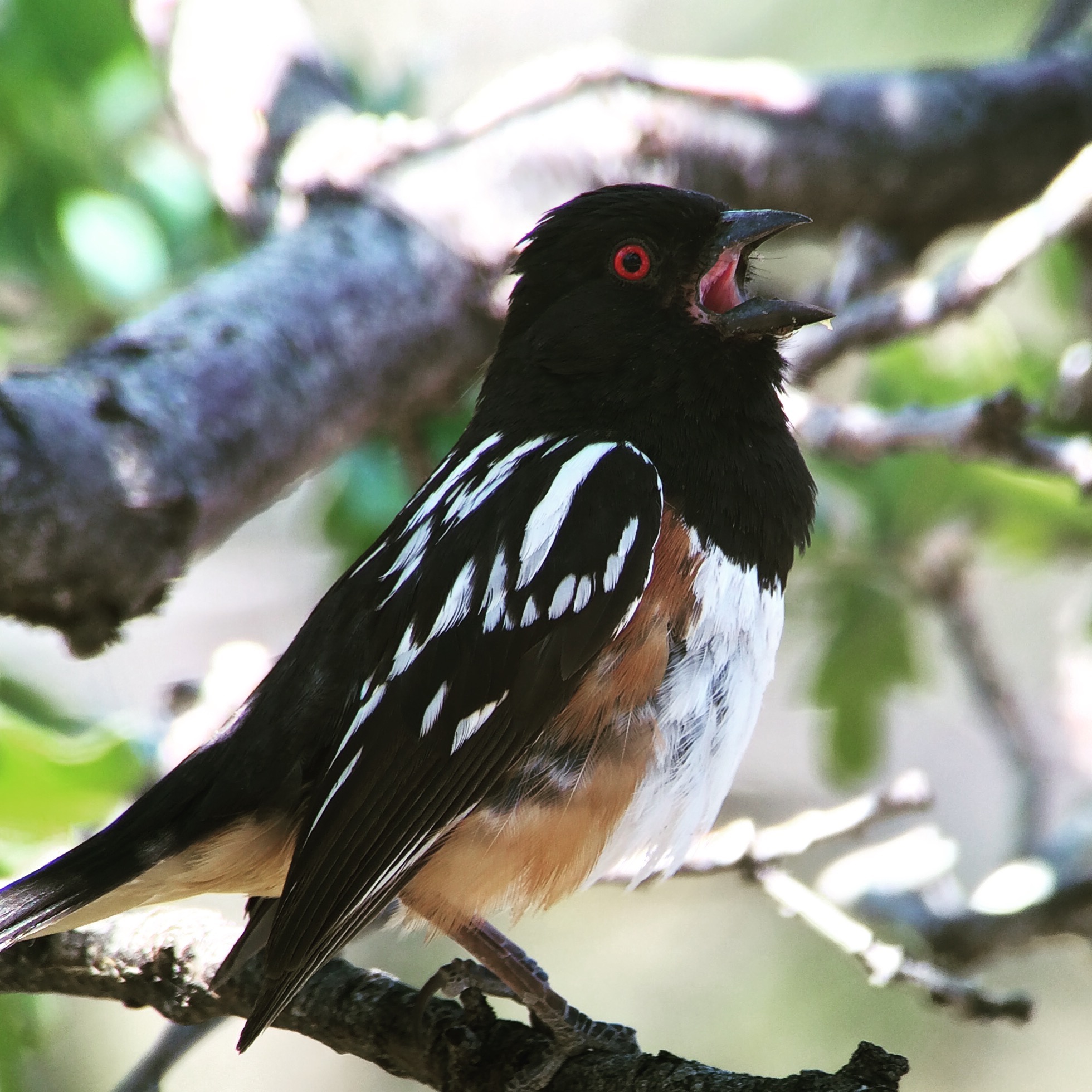
Spotted towhee singing around Bright Angel trailhead.
My Saturday birding companions were also on the lookout to find me a condor. Other colleagues who hiked the canyon or did other things on our day off me throughout the day asking if I found the condor or even better alerting me to condor-ish things they saw in various locations soaring around the canyon. It was really, really sweet.
After a fun morning of Saturday birding, we then headed for Bright Angel Trail Head where condors were reported regularly on the BirdsEye app. As soon as we arrived on the trail, all three of us looked up and saw a bird, one said, "Uh...Sharon..."
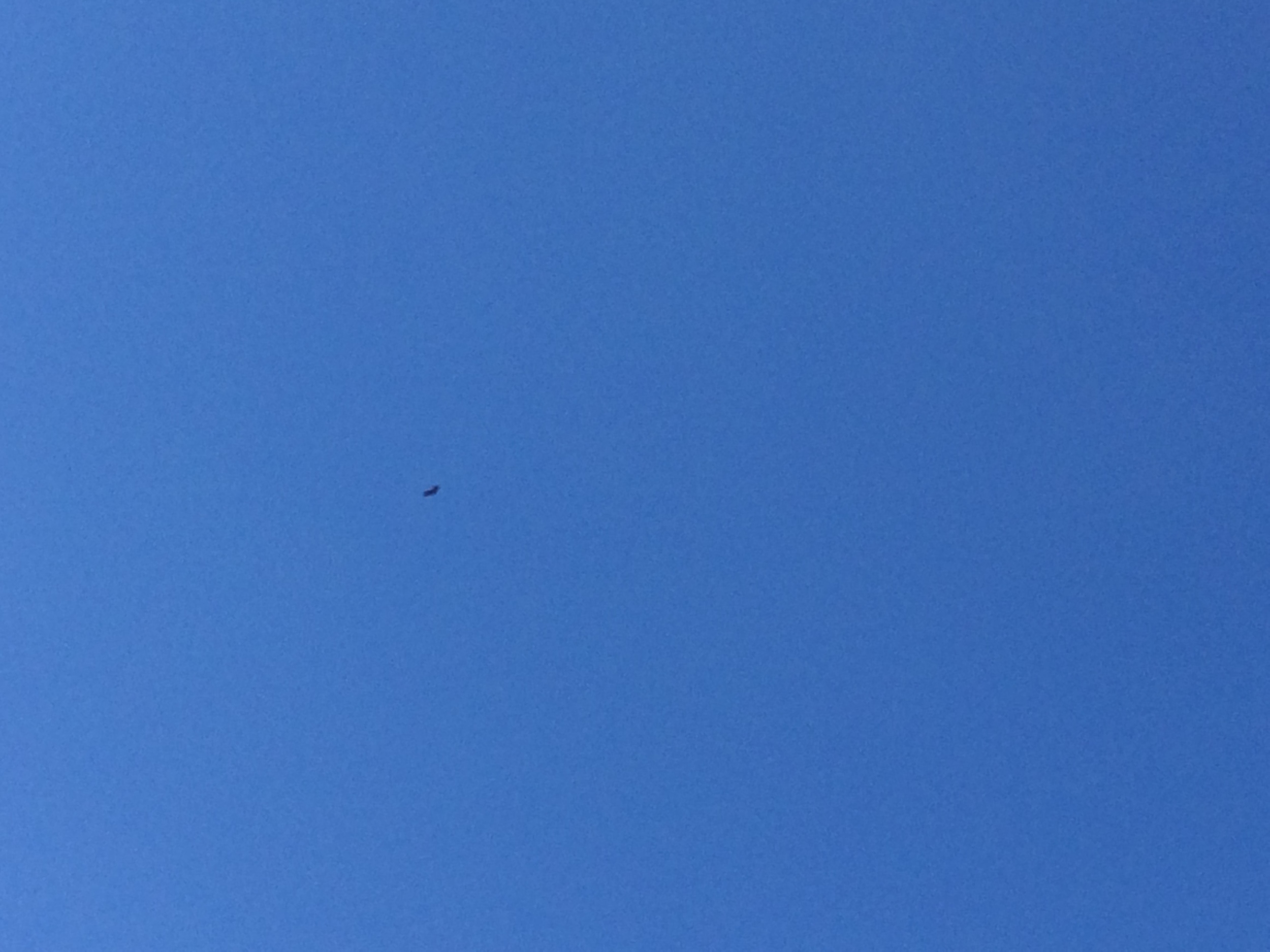
If you look close you can make out that the black speck is a California condor.
Yep, there it was, an adult California condor soaring overhead, high in the sky but easily identifiable without optics. Of course I tried to digiscoping it, but a bird in clear blue sky high overhead is next to impossible to find with a scope and I decided, "Screw it, just enjoy it" and put up my binoculars and savored my condor. The thick wing shape, the bulky body, the proportions nothing like a vulture or eagle...so old world looking. Spectacular. I did snap a phone of a dark speck in a luscious blue sky as a souvenir. How could I not?
I had a second view of a bird high overhead the following week. And delighted in saying casually to my colleagues, "Has anyone not seen a condor yet, there's one right over our heads."
Again too high to get a great photo but man how cool to see something like that airborne. I've condors in captivity and even got to touch one in a clinic situation, but see something that huge, flying around in the wild was truly something special. I don't know if this is a species that will be able to survive without human intervention, but I like that that a bird that huge has a place like the Grand Canyon to move around in.
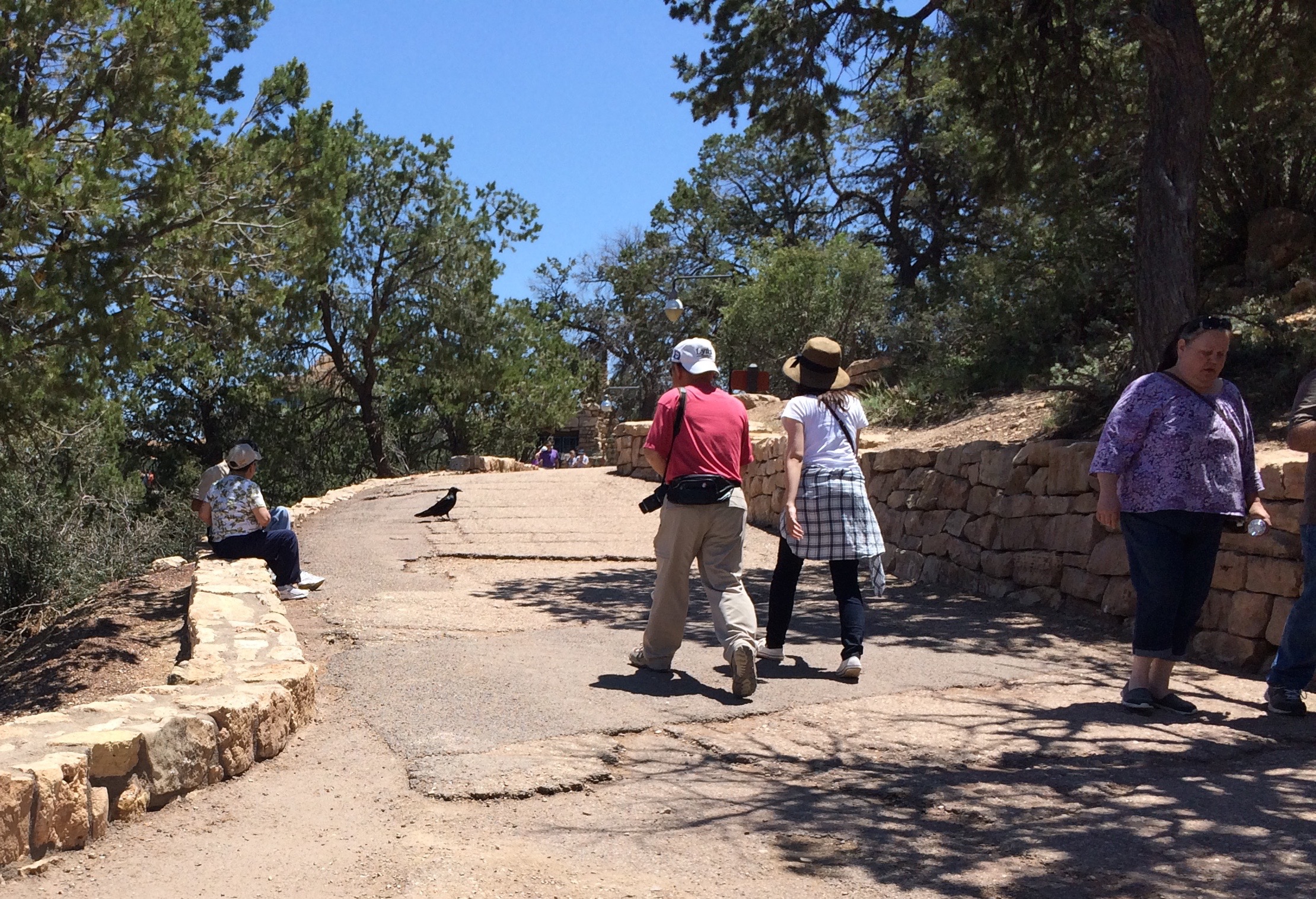
Common raven scavenging the park's trails near the concession stands.
I did get a kick out of the ravens around the trails near concessions stands at the Grand Canyon. Unlike crows, ravens can soar on thermals like hawks. The ravens here soar around the rim and keep a vigilant eye on tourists who drop food and then immediately land in the sea of human bodies to grab a fallen Cheeto. Brazen and huge, what a delightful bird.

Dark-eyed juncos were all over but these were the southwestern race of red-backed juncos.
I also got so see some fun regional birds like the red-back race of dark-eyed junco. Remember when we used to have, like, species of junco and then they got lumped and a bunch of birders lot their minds? Good times.
I also got to see...and not digiscope the local white-breasted nuthatches who look and sound a bit difference than the nuthatches we have where I live. World on the street is that the American Ornithologists' Union might split the white-breasted nuthatch into six different species. Maybe that will make up for the junco lumping of long ago?

Taking in the view near the Tower off of Desert View Drive.
The canyon has something for everyone: views, fossils, birds, archeology, geology, hiking...ok, it maybe lacking in good wifi so maybe it doesn't have something for someone like Non Birding Bill but man, it truly lives up to the reputation of being a spectacular place.
I hope everyone has a chance to visit it at least once in their lives...and that they don't die in doing so.
Non Birding Bill Told Me To Try The Hydra App
Non Birding Bill has been raving about a photography app called Hydra. When you click to take a photo the app takes up to 60 images and then merges them into a single high-quality picture. He said it would be great for birding. Heres' what I got:
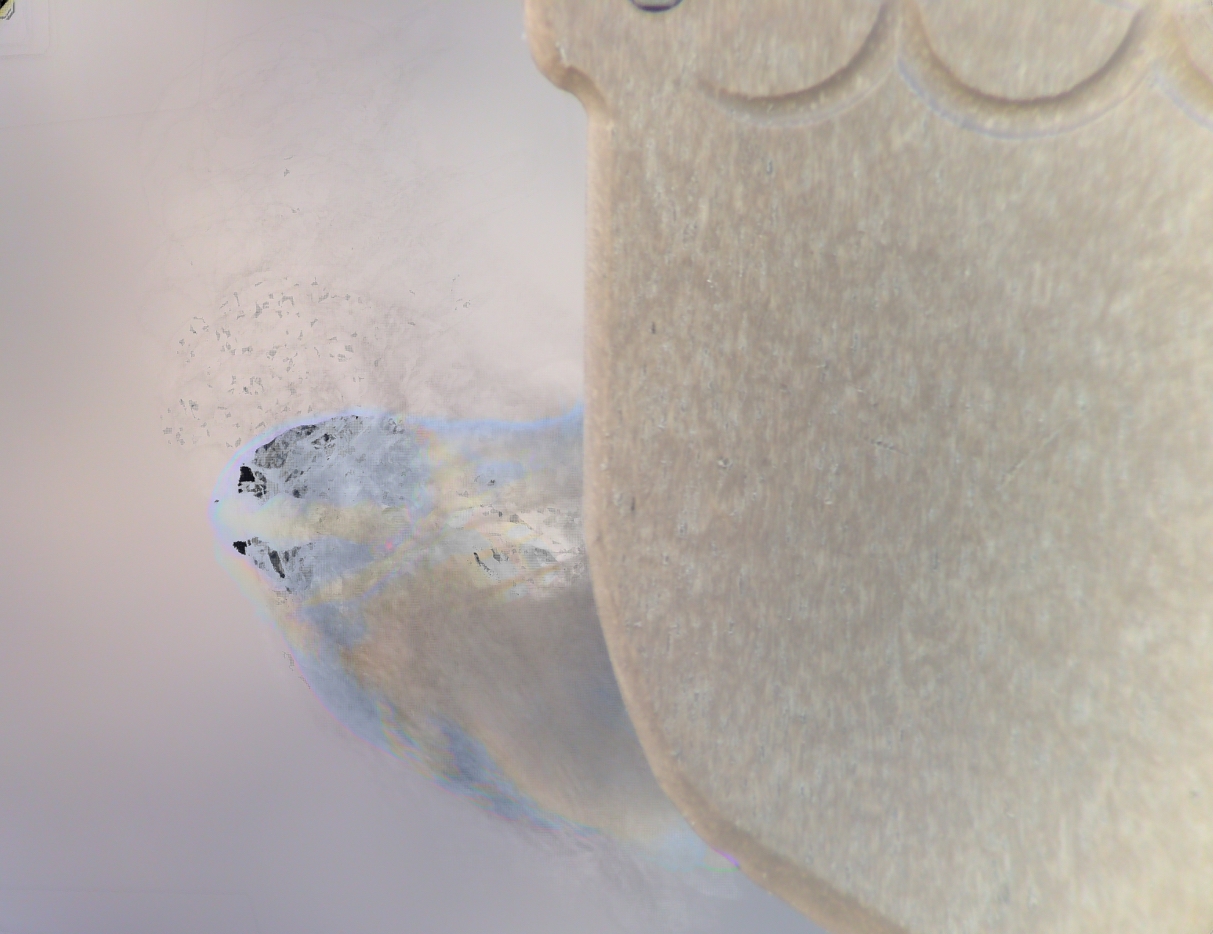
I think this is supposed to be a hairy woodpecker.
So, Hydra, great for selfies...not so much for birds who constantly move.

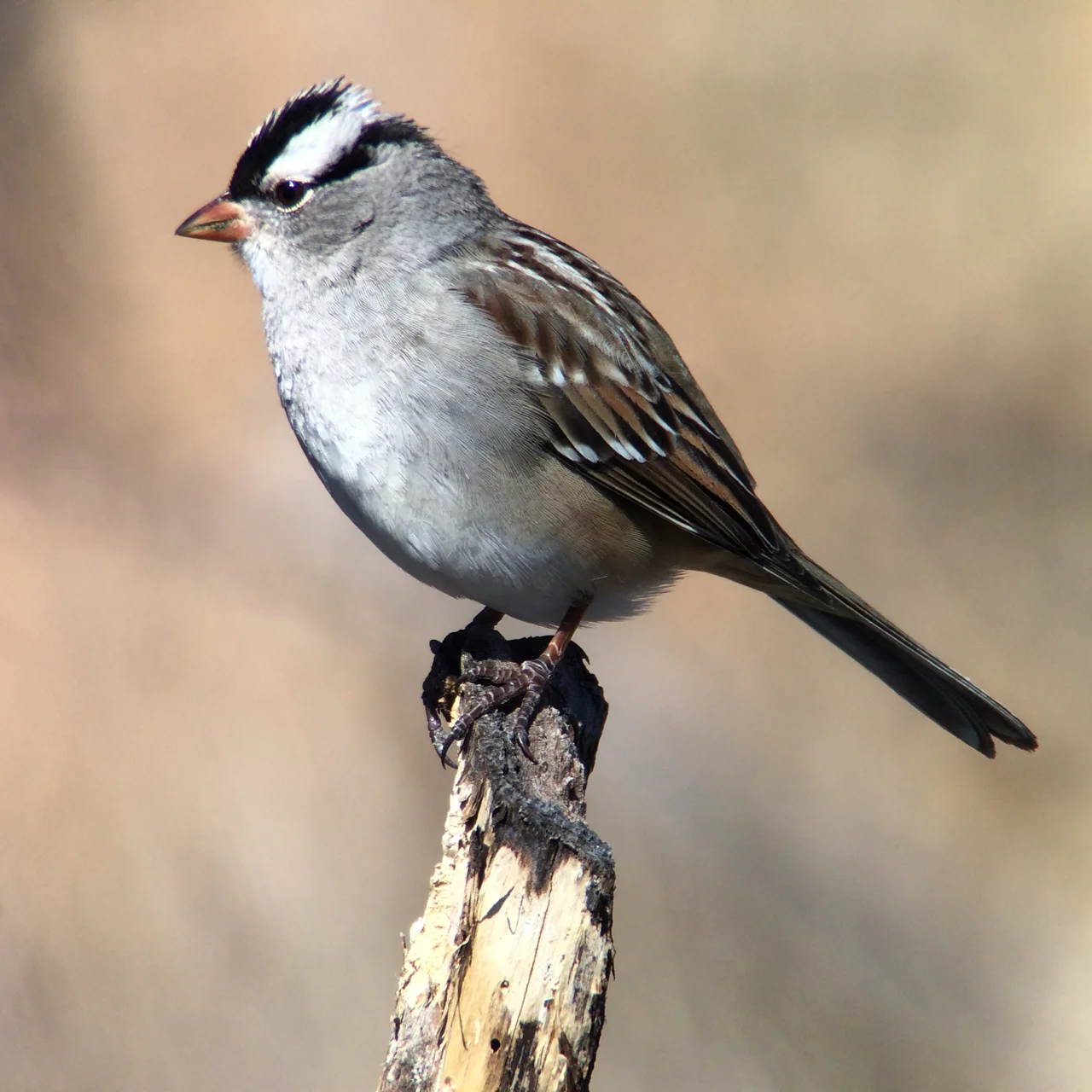
White-crowned sparrow digiscoped with the camera app that comes with the iPhone 5s and Swarovski ATX 65mm scope.
I thought maybe if I found a bird that was perched and not actively feeding like the above white-crowned sparrow might give me better results. Above is a photo taken with the camera app on the iPhone. Below is Hydra.

White-crowned sparrow digiscoped with Hydra app on iPhone 5s and Swarovski ATX 65mm scope.
Maybe if you are into some surreal photos of birds this might be the app for you.
Dancing Dougal
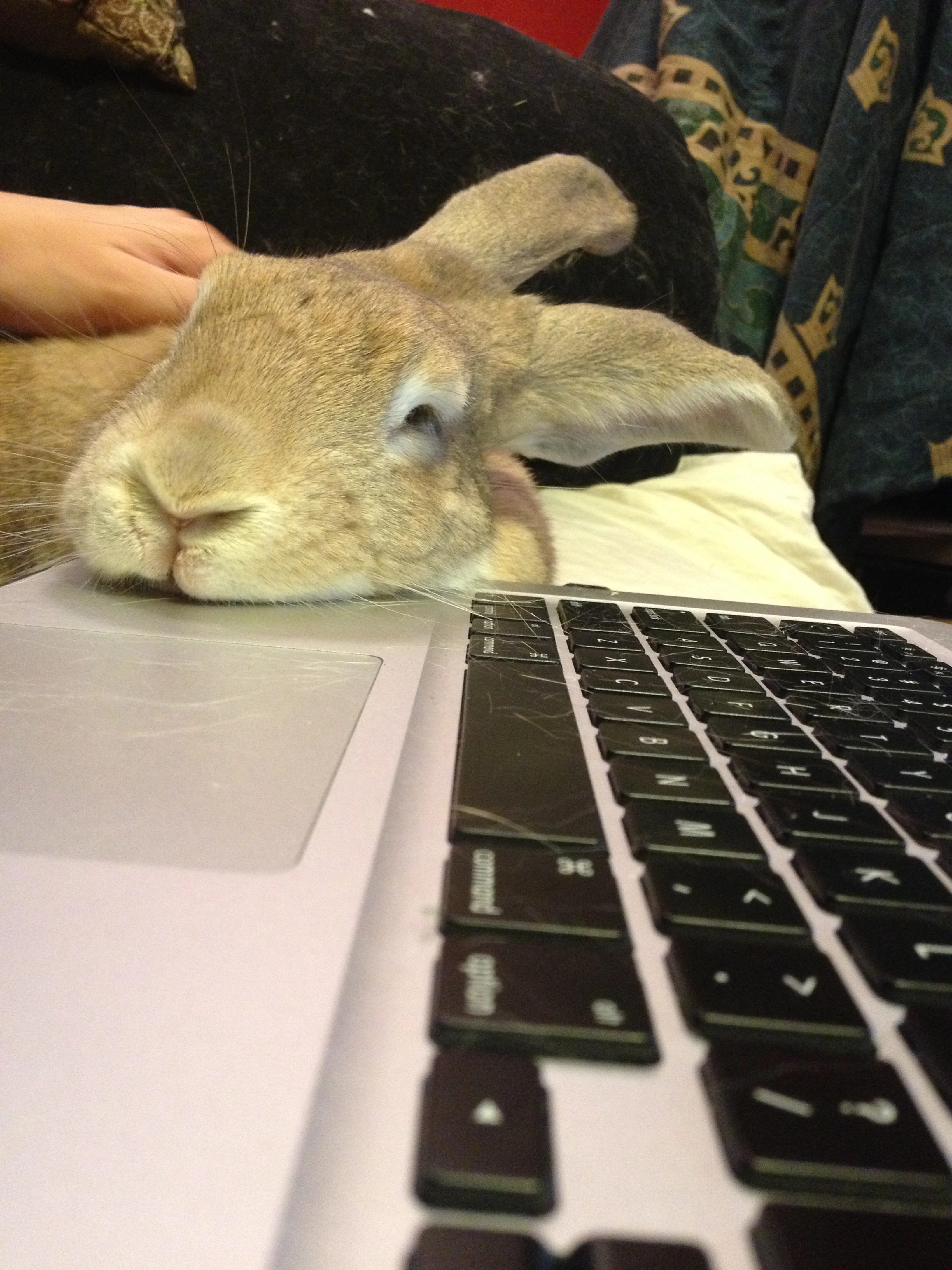
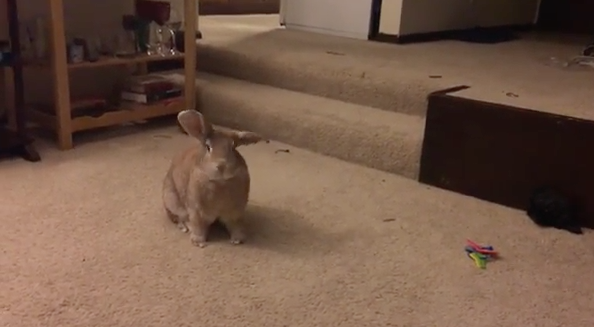
We have a pet rabbit named Dougal. When he's really happy he hops in all different directions. We call this "popcorning" but the rabbit industry insists on calling it "bunny binkies." I just can't call it that. Regardless, if your rabbit does this, they are happy:
Hermit Thrush Foraging Technique

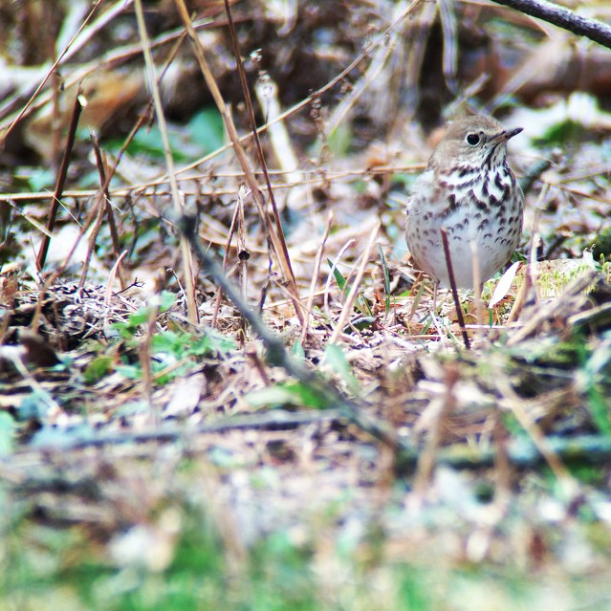
Hermit thrush was foraging around my beehives.
Patch birding has really made birding fun for me in a way I didn't expect. I've always enjoyed keeping an eBird tally of what I see around our beehives, but I'm really digging keeping track of the park near our new apartment as well as keeping track of what shows up around our apartment itself...but I'm still not a lister.
I got a hermit thrush around our beehives and while I was watching it, I noticed it was kind of shaking its feet. I took some video with my iPhone through my scope and made a mental note to look "hermit thrush foot quivering" up later on the Internet and see if this is a thing with hermit thrushes. Sure enough with my first Google search, Cornell did not fail me. According to Birds of North America Online:
"Foot Quivering: Interpreted by Dilger and also Brown et al. as a ritualized ambivalent intention movement of simultaneous, conflicting drives to attack and to retreat; but also may serve as foraging technique used to locate insects under leaf litter. Brackbill and Kilham cite observations of foot-quivering while foraging, with no indication of the birds being disturbed and Skutch reported a similar observation of Russet Nightingale-Thrush in the non-breeding season and outside of its breeding range."
I love the first part describing it as something the hermit thrush does because it's not sure if it should attack or retreat. "I'm just gonna kick the ground, man."
I don't think this particular bird was disturbed by my presence and that just coming in from migration the bird was most likely looking for some tasty invertebrates in leaf litter. Either way, here's the footage and maybe you might see thrushes doing this in your neighborhood.
My Kind Of Birding

The outdoor library at Canopy Lodge in Panama. Doesn't that look relaxing?
I have been party to a lot of discussion online and in meetings about what women birders doing. Part of this is because women are 50% (at least) of the birding population in the US and hard to find in Europe. My thinking is that generally women enjoy birds differently than men but some of my female birding friends are hardcore listers and bristle at the notion that women aren't as competitive as men, most of the women I know are very casual as far as their interest in listing goes. There seems to be a mixture of enjoyment from photography, art, socialization and balancing life and birding.
I think over the years, I have discovered that there are things I enjoy about birding and things I do not. Competitive listing (apart form an informal apartment list I keep in my fridge) is not for me. I think it's because I see the impossibility of trying to see every single species on Earth, not only the logisitics and money involved with travel but also how species are discovered or lumped and split I don't want to take a once in a lifetime trip to New Zealand, get every bird there and then five years later learn some species was split into five based on DNA and chip notes and there are three birds I still need. I don't want that to ruin the fact that I went to freakin' New Zealand.
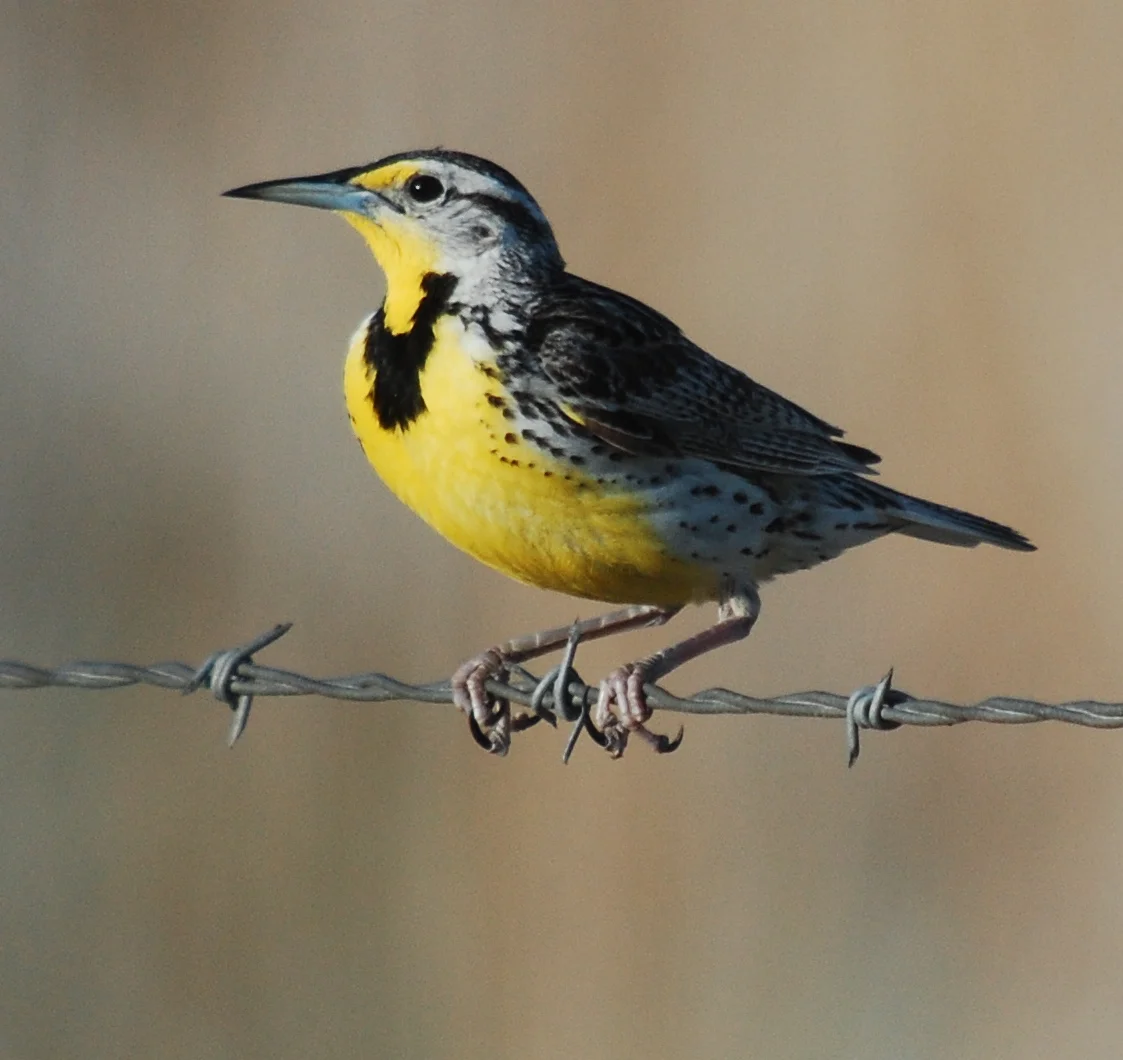
Learning to separate flight calls of western and eastern meadowlarks was a cool revelation. Westerns make a "chup" call and easterns make "bink" type call.
One form of birding (and listing, I suppose) that I've discovered I love is patch birding. I think it's from doing so many point counts for work. Monitoring one place over several weeks at various times of the day and discovering shifts in seasonal movement or how resident birds act throughout the day is very satisfying to me. It doesn't matter that I don't get a new species, but if I get a new to me behavior or learn distinguish new calls, it's incredibly very rewarding--like the day I realized the difference in sound between a western meadowlark flight call vs an eastern meadowlark flight call.
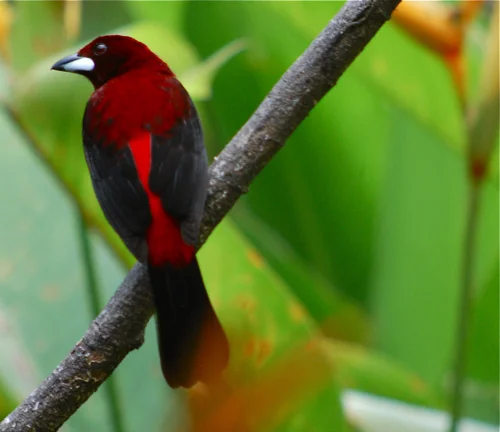
Crimson-backed tanager taken from the porch of Canopy Lodge in Panama--that is a bird worth traveling for.
Even if I'm not doing surveys for work, I love every opportunity I have for birding a new area either in the US or around the world. I don't necessarily enjoy it when a tourism board wants me up early for ten days in a row, but I also realize that when life hands you opportunity, grasp it with both hands and sleep later.
I enjoy scanning a field guide and seeing what are iconic birds of an area and what bird looks really cool to me and target for that--like a shoebill or toucan or the above crimson-backed tanager--is that not a dynamite bird worth a plane ticket or what? Best part was that this was one of the first birds that I got when I visited Panama a few years ago. I had a late flight and slept in a bit the next morning to find a little coffee, bacon and papaya waiting for me on the deck. I sat on the comfy outdoor chairs and soaked in the rainbow of colors at the feeders. I ticked off several iconic birds: honey greepers, tanagers, saltators all over some coffee and bacon. That is my kind of birding.
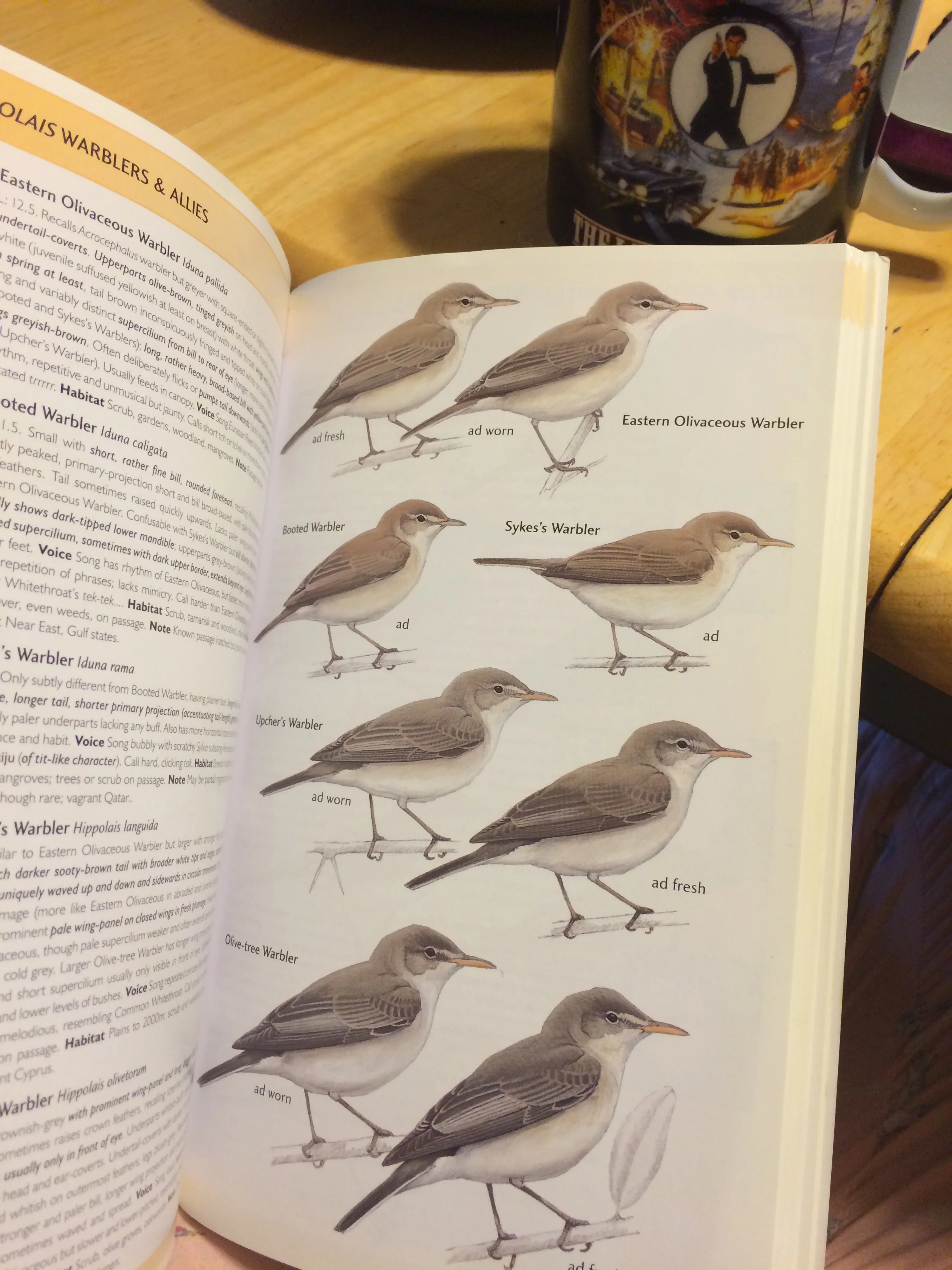
I swear, there are four different species of warbler on this page.
What I do not enjoy is hunting down every single possible bird in an area for the sake of having a larger list, especially if all the birds look the same (like the above warblers). Not that I'm dissing brown and gray birds--Non Birding Bill can attest to how much I love them. But I don't want to spend over an hour playing calls, pishing or whatever to get some skulky species that looks like five other birds while there are scenic vistas to enjoy and less skulky and more charismatic birds out there. Also, if a bird is being that skulky, we're stressing it at that point, let's leave it alone.
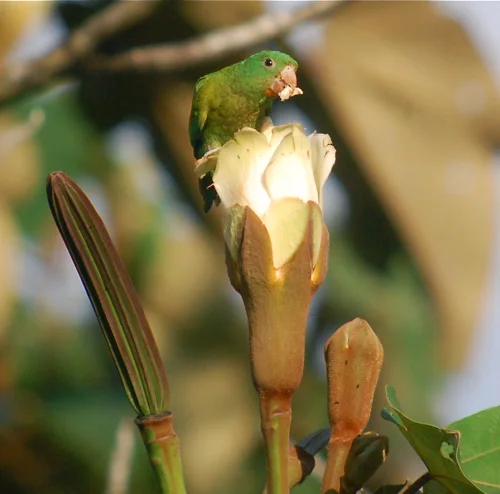
Orange-chinned parakeet chewing up a flower in Panama.
Another thing I enjoy is playing around with digiscoping. A bird in lovely evening light like an organge-chinned parakeet nomming down on a flower is just too cool. A fun souvenir from travel.
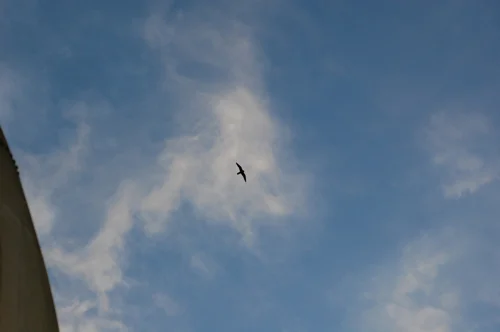
Bat falcon soaring over Canopy Tower in Panama as the sun sets.
I also enjoy quiet moments like standing barefoot on the top of Canopy Tower listening to tinamous and collared forest-falcons call as a bat falcon hawks for insects overhead while I sip a gin and tonic (I know, I know I normally drink whiskey but in warm weather I do enjoy a little bit of gin).
And as much as I enjoy some of the trips I take to see a showcase of their birding offerings, I don't relish 4:30 - 5am start times for ten days. A few is ok, but man oh man, do I enjoy a day where I can sleep in til 7am and still see some cool stuff.
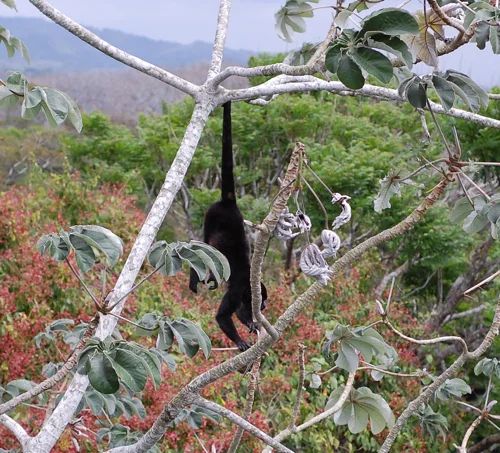
Howler monkey in the trees just outside of Canopy Tower.
Does this sound appealing and like your kind of birding? Consider coming with me to Panama this fall. We'll catch the fall raptor migration, we'll drink, we'll get up at reasonable hours, we'll laugh, take some great pictures of cool birds with our smartphone so we can text them to friends who are at their desks and even work in time for a few naps. You will come back from this birding adventure vacation without feeling like you need another vacation.
Canopy Lodge and Tower are two of the best birding destinations I have ever been to. As soon as you land, the guides take care of transportation and our meals as well as our birding needs. We will have a blast and a trip of a lifetime.
Digiscoped Images
Fresh Tweets
Would you like to hire me as a speaker for your event?
Email sharon@birdchick.com