Birdchick Blog
Birding Ethics When Abroad
There is quite a bit to debate when it comes to "ethical birding." You can practically make a drinking game out of arguments of taped calls and bird disturbances on your state's birding group every winter.
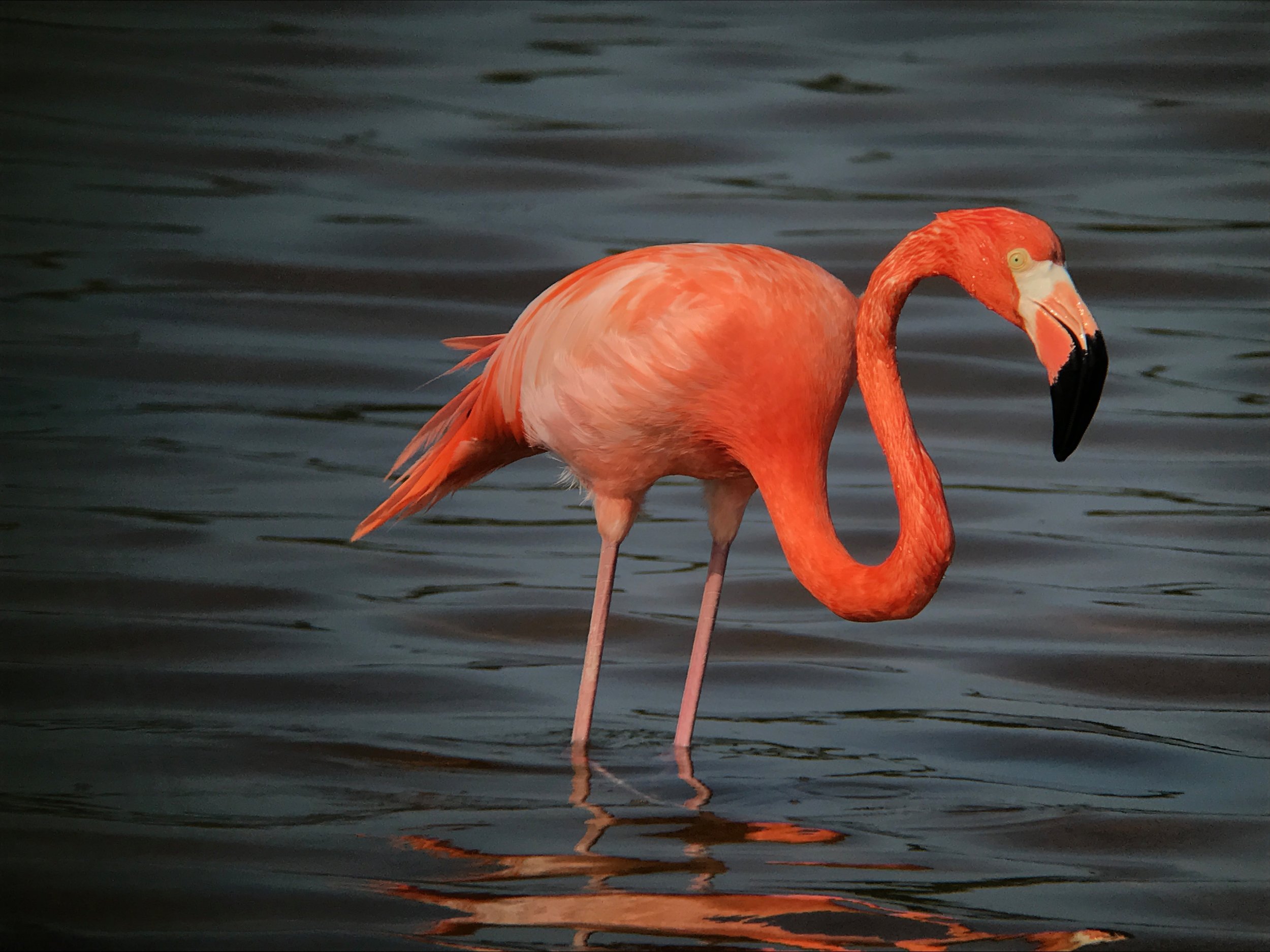
While taking pictures of feeding American Flamingos in Cayo Coco in Cuba, our guides told us they would be happy to make noise so the birds would fly off and we could get flight shots of the birds. We declined.
I've thought of this numerous times when in Central America and a guide used a taped call on a bird that they presumably take people to on a daily basis--or multiple guides visit on a daily basis.
I think there are times and places where taped calls can be effectively used. I would rather play a taped call for ten people who have never seen a yellow rail to get it to come out, rather than have ten people trample through rail habitat to see if one flushes.
There's definitely technique to using recorded bird calls. I wouldn't necessarily play a territory song for a species during fall migration. What works with one species may not work with another. A study in the late 70s/early 80s on how taped calls didn't interfere with nesting trogons can't be applied to Kirtland's warblers.
David Sibley was a wonderful and nuanced post on how to properly used taped calls for birds. Basically, go in with a plan and don't over use it.
When we were in Cuba, we had one overall guide and in every National Park we visited, we were required by the government to also use one of the park guides to take us in the park. They are paid, but they rely heavily on tips. And they have been taught that if people get the bird or the exact photo they want, they get better tips.
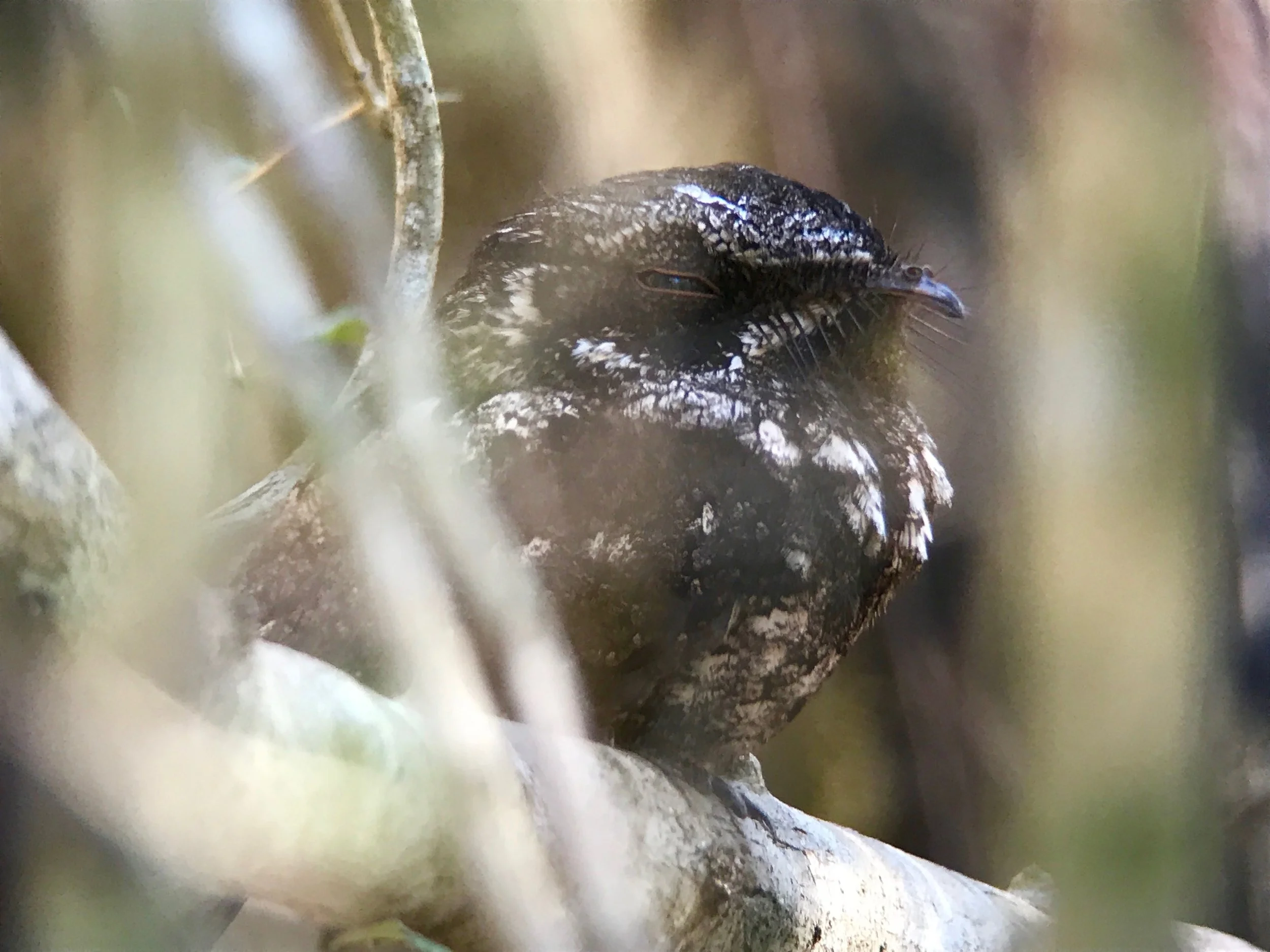
A Cuban Nightjar hidden in its roost in the woods around Soplillar. This and bare-legged owl were two big targets here.
The birding we did around the Bay of Pigs was spectacular and we explored the woods and savannas around Soplillar. One of our targets was the Cuban nightjar and our guides had one staked out, tucked away in thick vegetation. I realized when I got back to the states that I had heard one at night...they just sound more like a frog than a nightjar. We were a respectful distance away, no effort was made to clear vegetation out of the way for photos. Sure my pictures isn't going to end up in National Geographic, but I like how the branches obscure the bird, it takes me back to the moment when I saw it.
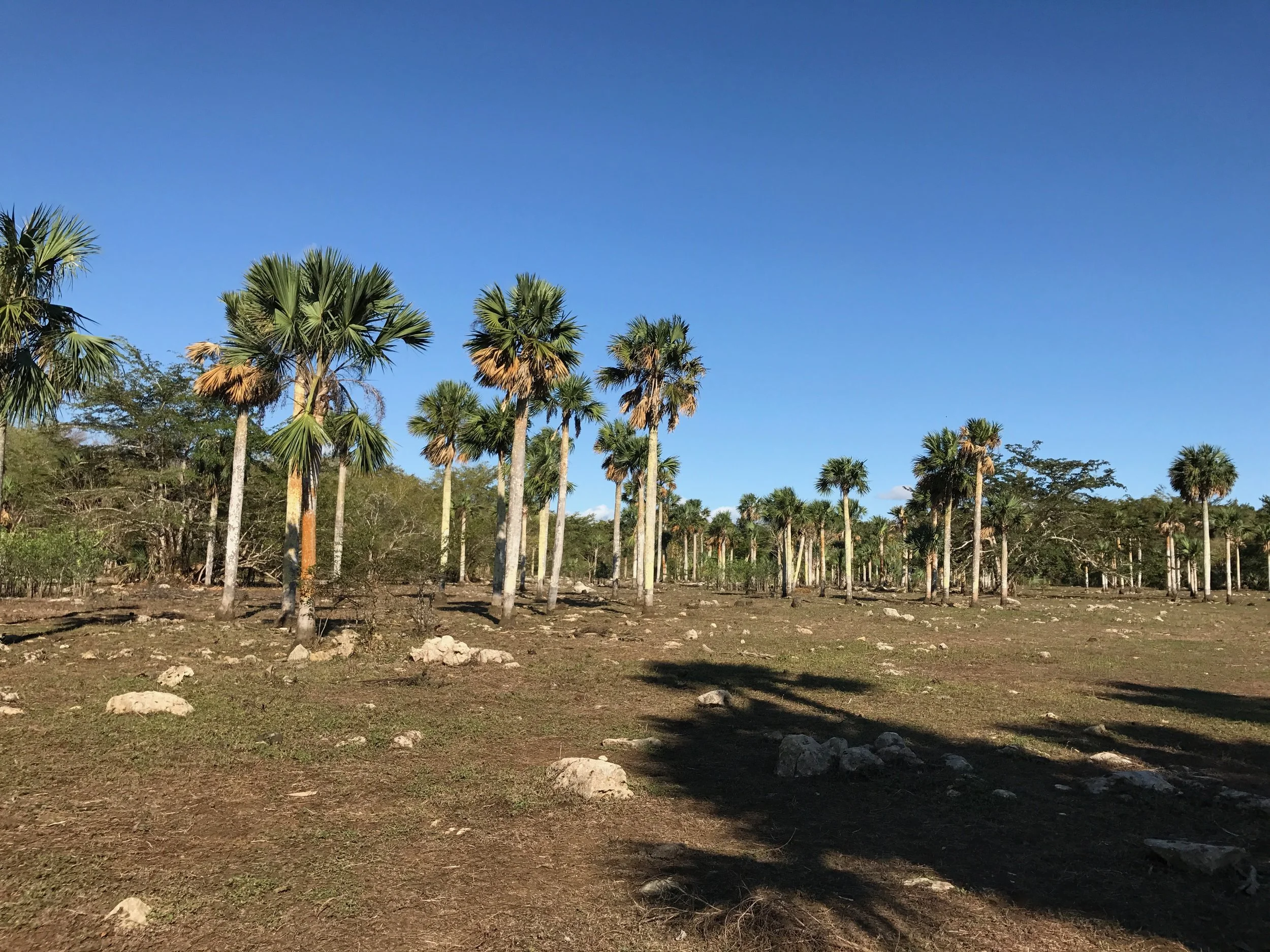
Just beyond those palms was a bare-legged owl.
The other target was a bare-legged owl. The guides knew where one was in a nesting/roosting cavity. They set us up around the deal palm tree pockmarked with woodpecker holes. They told use to aim our binoculars and cameras at a certain hole and then they would get it out. I'm familiar with a survey technique at roost/nesting cavities where you lightly tap on the trunk of a tree like a woodpecker and an irritated owl will poke its head out. I assumed that was what would happen here. I was not prepared for what happened and quickly switched to video when I realized what they were doing.
Yep, the local guide just started violently shaking the palm tree. The tree was in such decay that I was worried it would get pushed over. Sure I could have gone on a tirade, but white lady yelling at people in their own country about what they do is a role I never wish to have. I tried to offer some diplomatic advice as one professional guide to another.
"Hey," I said casually, "there's a technique that you can try where you just tap the tree lightly like a woodpecker. That might be a bit easier on the owl than shaking the tree."
The guide agreed and said that that is what he used to do and the bird stopped responding. Then they started to shake the tree a little and after awhile that stopped working. Now they have to shake very hard to get it to appear. Sigh.
I was amazed that the birds hadn't abandoned the cavity all together. Perhaps they had gotten used to some disturbance? Maybe cavities are so rare that they put up with it? The owl shared the tree with a nesting West Indian woodpecker as well. Based on the woodpecker behavior it clearly had a nest in the tree. There would be lots of noise and pecking that comes with a woodpecker nest that perhaps the owl is resigned to a life of daily disturbance?
There were times when other taped calls were used and I had to get the local guide to stop. Later in our trip we were out looking for a Key West quail-dove. When we arrived we heard a mangrove cuckoo--as species you can only get around Everglades or Biscayne National Park in the Unite States. Our guide of the day immediately started playing the call over and over and over.
I calmly suggested that maybe he should turn it off for a minute--give the actual bird a chance to assess the situation. But he continued. And this went on for several minutes. Not only was I irritated that my request was ignored, but I could tell the rest of my group was uncomfortable with the relentless playing or just downright bored when there were other things to be seen. I finally went to our main guide and said, "Tell him to stop, that bird is not going to come out. They don't call over and over like that."
Sometimes when people play a call nonstop or play it too loudly, the target bird will clam up and hide. The bird may be confused or threatened by the sound, "What is with that crazy sound, I don't sound like that, is this dangerous?" Some birds will hear a call once and clam up. Then it's up to you to wait--sometimes as much as 15 minutes and the bird will come out when it sees the coast is clear.
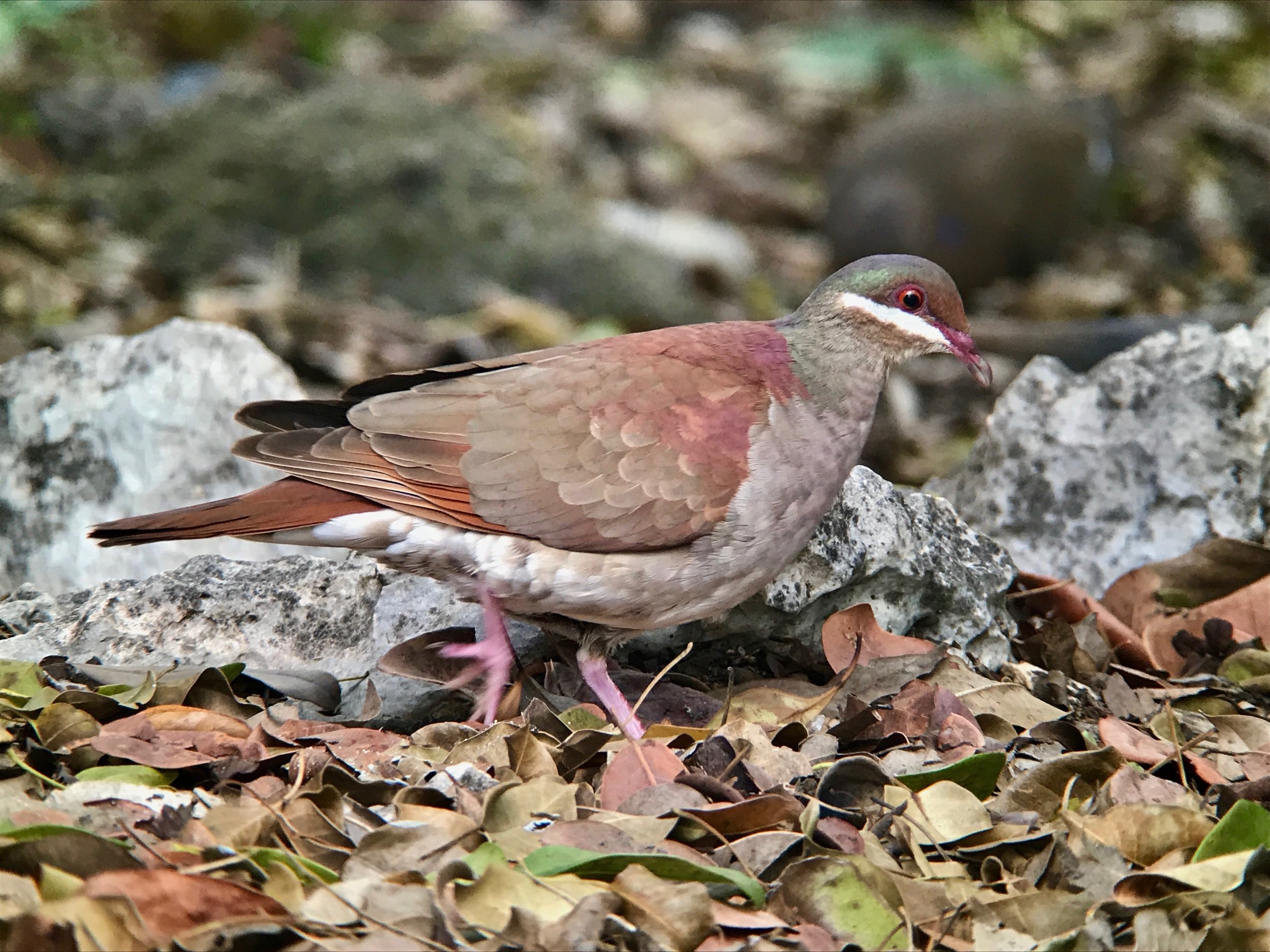
Key West quail-dove.
I suggested that we give up on the mangrove cuckoo, look at some other birds and maybe the cuckoo would come out while we focused on other things. Soon enough we found the original target of the day, the Key West quail-dove. And about ten minutes into enjoying that bird guess who popped out...
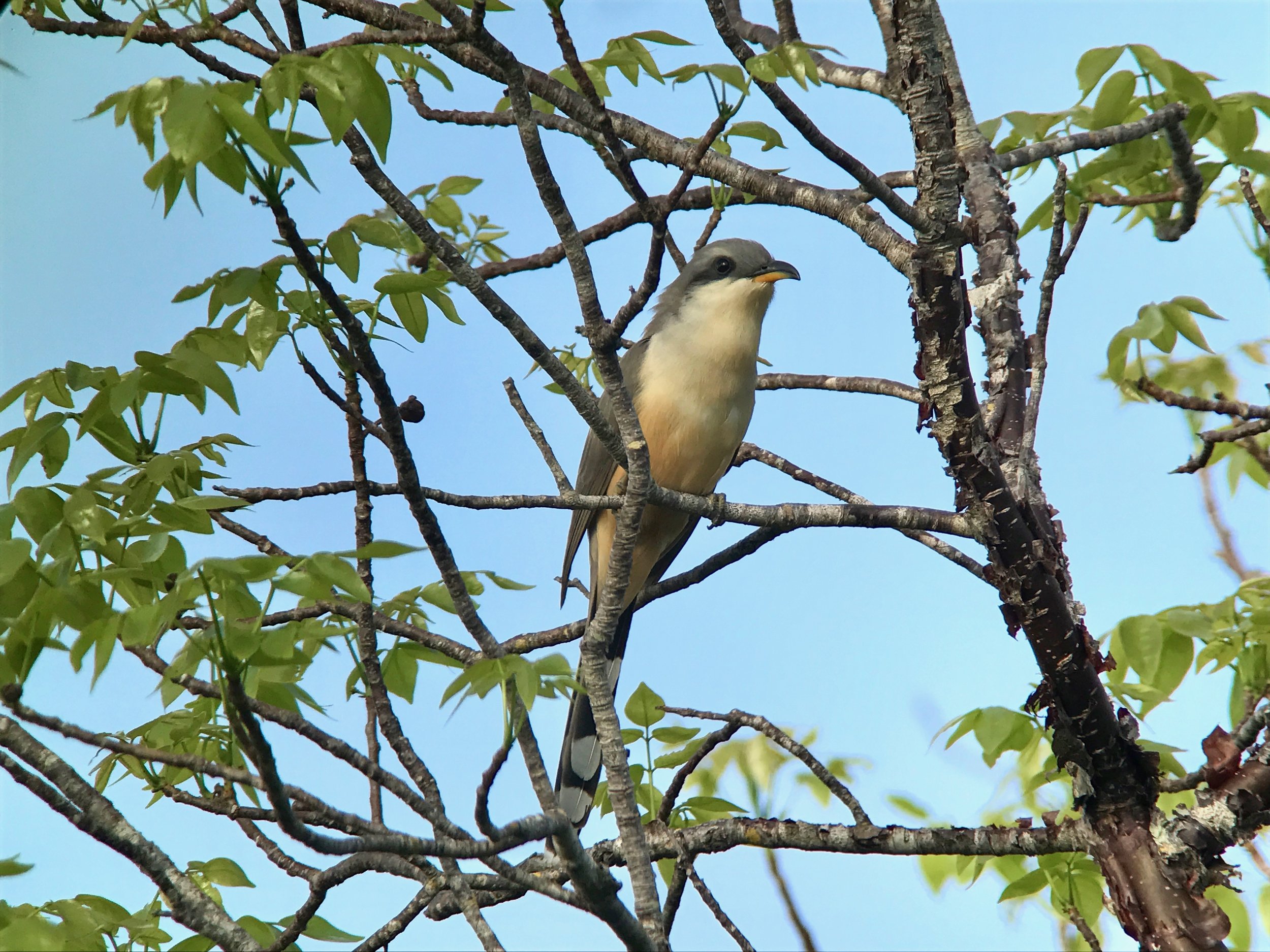
Mangrove cuckoo.
It was one of the best looks at mangrove cuckoo I've ever had. It casually fed in the tree, it preened--something birds only do when they don't feel threatened and are comfortable in their surroundings. Everyone had ample time for photos and video. The bird just needed time to get past all the calls.
I don't blame the guides. Clearly what has happened is that people have come before us and pressured the guides with their tips to get them exactly what they wanted to see or photograph. The guides depend on those tips and will do what they need to do take care of their families.
I referenced earlier that a guide offered to flush some flamingos so we could get flight shots and my group unanimously declined. We were content to watch and photograph them feeding. The birds were fairly close and comfortable with us. And they got so relaxed I got one of my favorite shots.
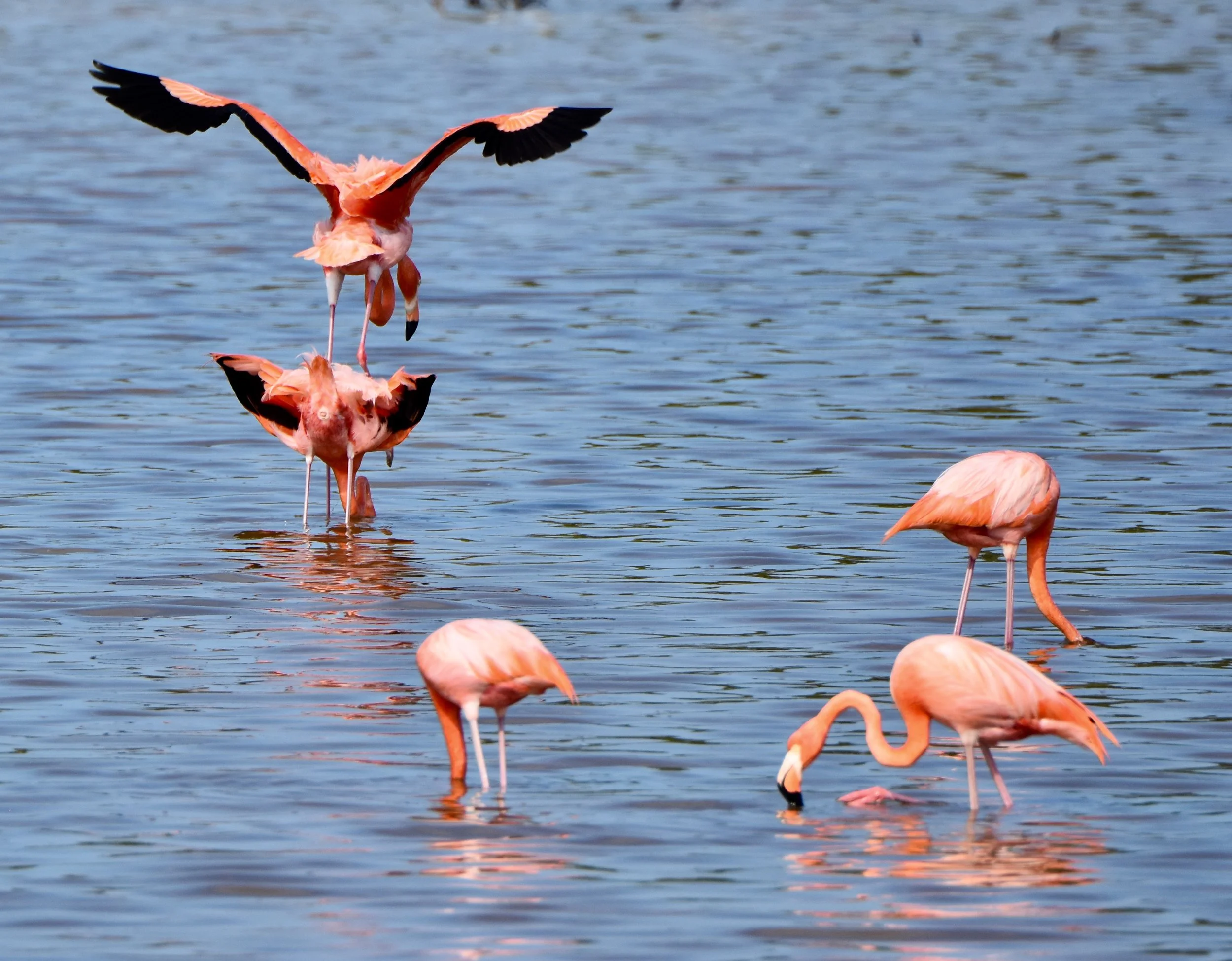
Look at that shiny flamingo cloaca!
I don't mean to pick on Cuba. Birding tourism is relatively new for them. There hasn't been the decades of birding like there has been in the US or the UK. Some of the top guides in Panama, Costa Rica and Honduras have had the chance to come to the US and get to know more about birding ethics. But I do think it's up to us to help point this out politely. If there is something you're uncomfortable with on a tour, have a conversation about it. I don't mean yelling at a guide in the middle of a field trip, no one will listen to that, especially if their being taken to task in front of a group. But when you're sitting down with them at the end of the day and having a drink, engage in a conversation about bird behavior and share how birding happens where you live. If birders/photographers before us are setting a bad precedent, it doesn't hurt to share how birding is different in other areas.

Birds In Cages

Home cooked meal in Honduras.
One of the risks of traveling for birding is that sometimes you are going to see birds in cages and it's going to gut you. One of the most brutal examples for me was in Honduras. We had spent the morning in arid and remote habitat looking for the Honduran emerald, a hummingbird only found in Honduras. We saw several other species, but the day was hot and we couldn't get enough water. Because we were far from out lodge and all the villages nearby were small, arrangements had been made to have lunch at a local rancher's house. His wife prepared us a hard meal of chicken, salad, rice, beans and freshly squeezed juice. Her home was lovely and we ate indoors, while her kitchen was outdoors.
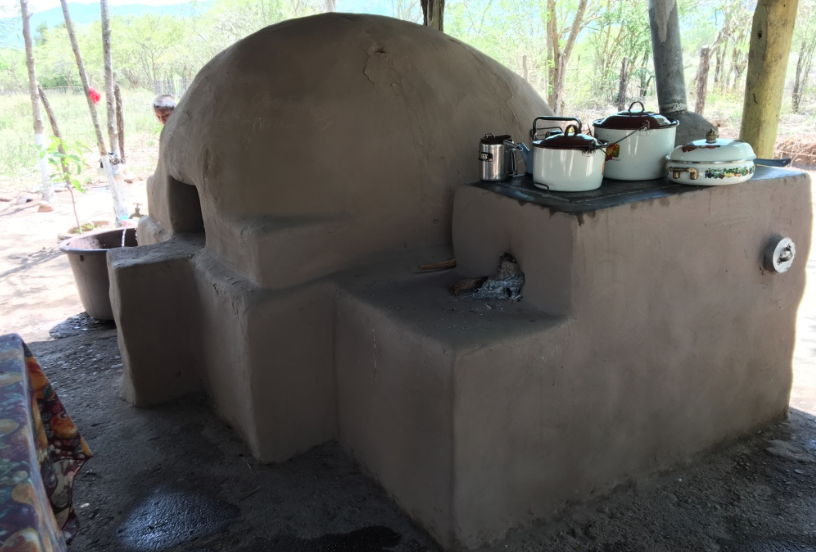
Outdoor kitchen in Honduras.
Afterwards we were allowed to wander the yard, take pictures of her kitchen or nap in her many hammocks. I grabbed a few photos of her stove and then settled in a hammock. I had a vague awareness of her animals around the property, most notably chickens but then I noticed a bird cage leaning against a tree with three white-fronted amazons inside. I tried to will myself to not pay them further attention and to let myself fall into a nap. Then I overheard two women from my group discussing the birds. "Oh, look at that! Mom, dad and a baby!" My brain snapped awake.
"They're not babies," I called over and the women looked confused. I walked to the cage and noted the overturned water dish, the empty food dish and complete and utter lack of toys for the birds to chew. I noted the bark of the tree that the cage leaned against was covered in chew marks. And I noted two birds hunkered together while a third--the odd man out had chewed most of his body feathers away. "That's not a baby, that is a bird bored with it's captivity that is chewing it's feathers because it has nothing to do."

White-fronted amazons in a cage. One is plucking its feathers.
I could feel rage and frustration coming over me...followed by the inevitable welling of tears. We'd seen these parrots throughout our trip living in the wild. There's nothing like seeing the parrot brain and beak navigate in the wild. They're so smart at figuring out how to crack open hard nuts for finding food and establishing long term pair bonds. After seeing them in the wild that morning and now to see three bored in a cage was gut wrenching. I noted the chickens freely roaming the yard--soon to be food. The food chickens had a better life than the three birds living in bored torture that were kept out of love.
I walked around the yard trying to force the emotion back. This was a birding tour, not my time to be some white lady telling a woman trying to get by in Honduras on how to raise her pets. But I also thought of the bird I had at home and how miserable he'd be in cage with nothing to chew and no water on a miserably hot day.
I went back into the home and grabbed a napkin from my lunch to try and hide what I'd been thinking. I decided to force myself back to the cage and confront the situation. I wanted to look the plucked bird in the eye and just acknowledge that I see the life it's living and I know that it sucks. As I looked at the plucked bird, it walked over to where my hands were and its beak reached through the bars toward my hand holding my slightly damp napkin...it wanted to chew it.
My Spanish is terrible so I asked my local guid to ask the woman if she'd mind if I gave her bird a napkin to chew. She nodded it was ok. I brought it forward and the bird greedily snatched the napkin away and started tearing it apart. Its cage mates came down to explore as well.
I asked my guide to translate for me. "This bird needs a job. This bird sees how hard you and your family works and it wants to work too. Because it has nothing to work on, he gets bored and plucks his feathers. If you give him some rope or coconut husk to chew on, it might stop chewing its feathers and be beautiful again."
She seemed to consider the suggestion, but I have no idea of it worked and left embarrassed that I'd gotten emotional in front of the group. I especially don't enjoy being the person visiting and learning about another country and telling people how to live their lives. I've built a thick skin when it comes to nature. Life in the wild is brutal. Most animals don't die quiet deaths in their sleep, they're eaten alive, they can live for days starving after receiving a crippling injury, babies are plucked from their nests...it's horrifying. When I see animals in awful domestic situations I try to remind myself that life may not be much better for them in the wild. But a parrot that can live for decades sitting bored in a cage...that torture seems far too long.
And this doesn't only happen to parrots. It happens to birds we can see in our backyards..

An indigo bunting for sale outside of my hotel in Havana. One of many seen on my trip to Cuba last year.
Our first day walking around Old Havana, I heard an indigo bunting singing. It didn't seem to be the right habitat but maybe it was a bird caught in the city during migration. We looked for the source of the song and found a balcony covered in bird cages full of illegal birds: Cuban bullfinch, indigo buntings and painted buntings. We would end up seeing wild birds illegally kept in cages every day. The most common was the painted bunting. To learn more about the bunting trade in Cuba, read this fascinating article the bunting black market.
Part of our trip included a visit to a tobacco farm. As the farmer explained his process for trying leaves, a painted bunting new to captivity frantically flitting around the cage looking for an escape. We also passed a mocking bird which sat with its foot tucked, a relaxed posture. It had seemed to accept its place in a cage. The farm was huge and there were several other buntings in cages.

A caged mocking bird and caged painted bunting on a tobacco farm in Cuba.
I took our cultural guide aside and said, "Look, if you are going to bring birders here, you should maybe tell the farmer to at least hide his illegal birds."
She looked surprised and I explained that even in Cuba, buntings were not allowed as pets. I also explained that while our group was chill, some birding groups would raise a big fuss and get angry at seeing that. Our guide marched right up to the farmer and started yelling at him. He smiled, answered her and walked away.
"What did you tell him," I asked.
"I told him that birds do not belong in cages and he needs to let them go," she said angrily.
"What did he answer," I asked.
"He said how can he see them otherwise," she replied.

Painted bunting.
Indeed, how could he? The concept of watching birds in the wild as well owning binoculars and spotting scopes is not a thing in Cuba--yet. And when the painted bunting are there, they are secretive, hidden in grasses feeding. Not the flashy bird on a perch singing his beautiful song.
That night at the bar we were having drinks with our ornithologist guide Hiram. We were discussing all the illegal birds and in cages. I mentioned how it was clear from the bunting's frantic hopping in the cage that it was a recent capture, but the mockingbird had clearly accepted its captivity. It seemed very relaxed and even at one point tucked its foot--something birds do when completely relaxed.

The Cuban trogon cannot be caged.
Hiram said that it's custom to take mockingbirds from the nest when they are young and then teach them the Cuban anthem making them a beloved bird. The Cuban people love their birds. They want them nearby and singing all the time. Hiram also mentioned that people have tried caging the Cuban trogon and it dies in captivity...which is why it's so beloved and a national symbol. Like the Cuban people it cannot be contained. It prefers death to life in captivity.
These are not problems I can fix. People love birds. Sometimes that translates into living conditions that aren't the best for the birds. This is not a problem that can be fixed today, next week or even next year. Maybe over time with some education this might be minimized. But for the current time many of the bird species we know face odds and dangers we can't imagine.
Cuba Birding Trip Planning

Classic cars lined up in Havana.
So you found a way to get to Cuba to do some birding! Awesome! Here are some things I learned that you might find helpful. In April I had the opportunity to visit Cuba and this article is about my general impressions. I'll get into more detail for specific areas in future posts. My trip was through Holbrook Travel and it was one of the best trips I ever took.
We're kind of in a golden age of birding travel as far as locations, amenities and type of birding tour you can take. I don't mind the occasional "death march" for a particular bird, but I do not like ten days of death marches. I like to return home from an adventure relaxed, refreshed with a drive full of photos and notebook full of story ideas. I no longer enjoy returning home feeling like I need a vacation from my vacation. When I told Holbrook that I wanted to see lovely Cuba birds, experience the culture and history and maybe spend some time on the beach for a nap--they were the first tour company to give me exactly what I asked for, it was amazing.
But here are some things to note about Cuba:
Money is...complex...
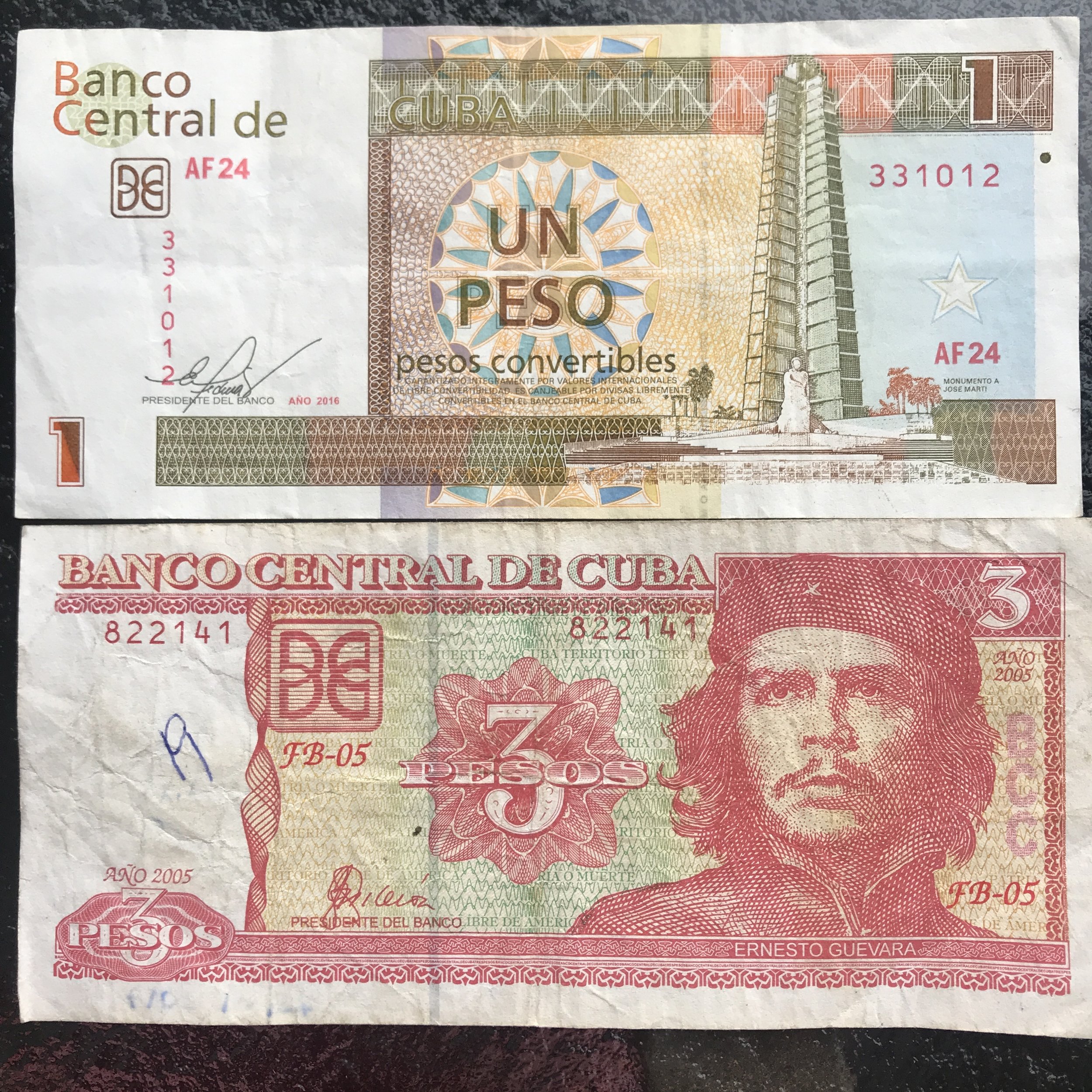
You'll be dealing with multiple currencies.
You will not be able to use a credit card or debit card with a bank based in the United States. So, US citizens need to go with all the cash they anticipate needing the entire trip--and you will be tipping a lot. Tourists will use the Cuban Convertible Peso aka CUC (the note on the top in the above photo) and locals will use the Cuban Peso ( the note on the bottom in the above photo). CUCs are worth a lot more than Cuban Pesos. Stores will often have two prices for an item to reflect this. When paying cash in a store and receiving change, keep in mind that some might try to give you the change in Cuban Pesos--therefore taking way more of your money than intended.
When I went to my bank to get cash to take to Cuba, they were full of useful information. When you exchange money in Cuba, you are charged 3% fee. However, if you exchange US currency you will be charged an additional 10% penalty. So if you go down with $1000 US dollars, you will lose $130 at least in the exchange. My bank was well versed and noted at the time that they advised clients to exchange US currency for Canadian money or Euros and then to exchange that in Cuba to avoid the 10% penalty.. When I went in April 2017 the exchange rate with Euros was almost even with the US dollar and I had some Euros leftover some trips to Europe this year. When I exchanged my Euros in Havana, I was charged the 3% fee. When I exchanged my Euros in smaller towns like Playa Larga, I was given an even exchange of Euros to Cuban Convertible Pesos. I've had some people tell me that they were still charged the 13% percent when they exchanged Euros because they had a US passport (which you have to show when you exchange money). I can only report my personal experience and that did not happen to me.
Internet Will Be difficult.

One of the Internet cards you can purchase that grant you 60 minutes of Internet usage in Cuba.
I think by now you can get cellular service in Cuba via Verizon and Sprint, but it's not great. Generally, I use wifi when travel and if I need to make a call use Skype or WhatsApp. When I was Cuba, the country had only had the Internet for five years. There is no such thing as private wifi. You cannot tuck yourself into your room at the end of the day to upload photos to social media and text with friends. The only way to use the Internet is to get a 60 minute access card that will let you log in at places like hotel lobbies and restaurants. You find the connection and use the id numbers to log in. You must be vigilant about logging in or logging out. I found that even just putting my phone in airplane mode didn't necessarily log me out and I'd lose unused minutes. Even with the cards the wifi is slow unless you're at one of the huge all inclusive resorts.
The cards can be purchased at hotels, convenience stores or from random guys on the street in Havana. They run anywhere from 1 - 3 CUCs. If you go to a store or hotel, they are only allowed to sell you 3 cards at a time so you can't go in and buy a bunch for your group or for yourself.
You'll Need More Than One Guide.

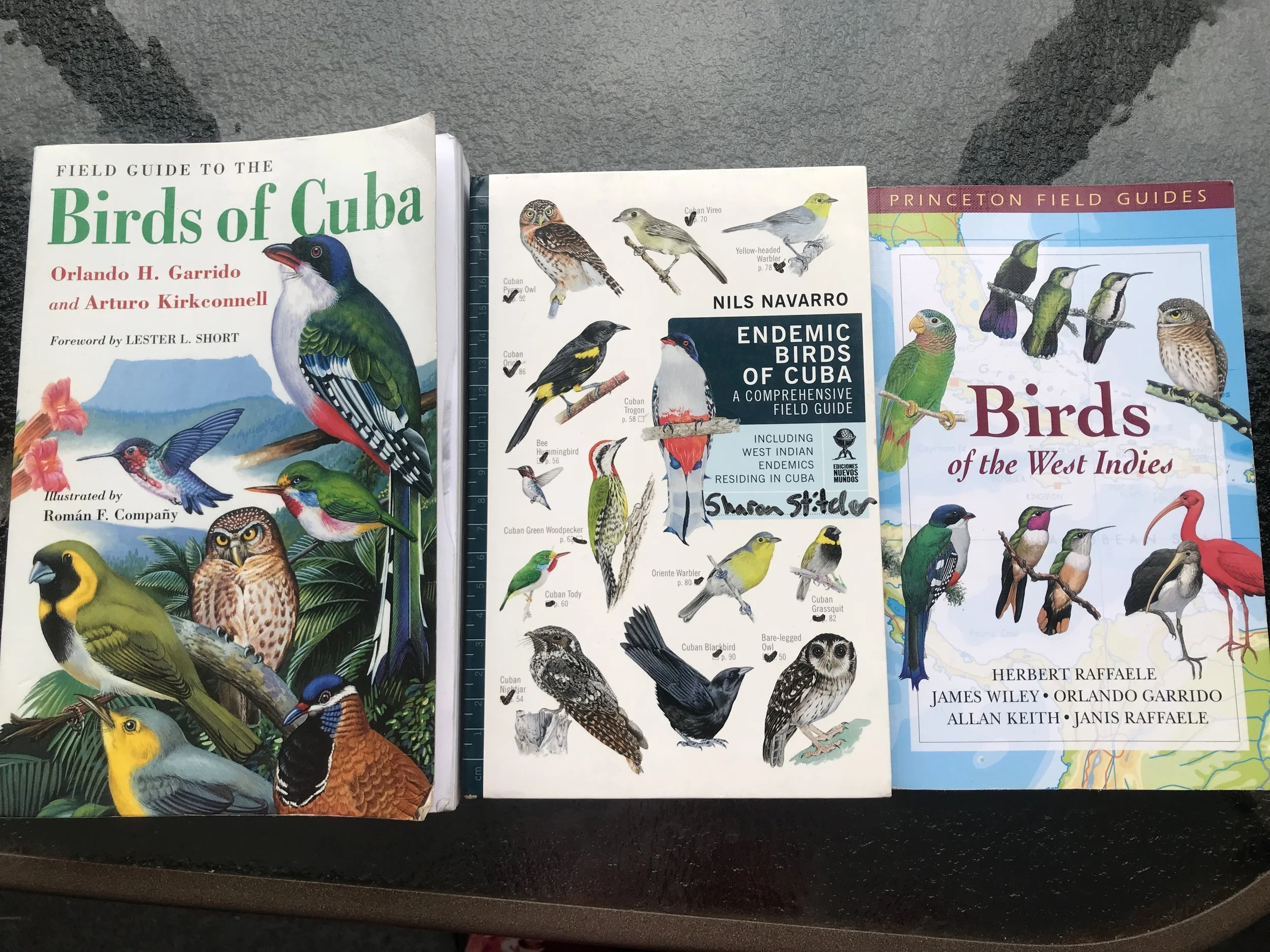
The three guides I took to Cuba. I also used my Sibley app on my phone.
There's no one perfect bird book for Cuba. My favorite of the three is Endemic Birds of Cuba by Nils Navarro--we even got to meet him as part of our trip. It's useful discussing habitat as well as having fantastic illustrations and good photos. He even has a checklist of the endemics on the cover and he encourages you to put you name on it because your trip helps contribute to the understanding and knowledge of the birds of Cuba. However, this book is mostly for the birds you can only see in Cuba. It doesn't cover all of the birds you can see in Cuba. The Field Guide to the Birds of Cuba covers all of them but is problematic both with its illustrations and also by not numbering the pages of the illustrated plates--grrrrr. I hear that it's being redone, but I don't know when that's happening. Birds of the West Indies has ok illustrations but you do need to pay attention to the maps to make sure your bird is one that is expected in Cuba.
Toilet Seats Are Not A Thing, But Tipping Is.

Typical Cuban restroom.
I'm always fascinated by the different restroom differences you find when you travel--like sometimes it's just a hole in the floor. Cuba has toilets, but frequently the public ones did not have toilet seats. Most public restrooms have someone on hand to give you some toilet paper before you enter. Essentially, if you need to go, you need to tip a few coins. If it's an emergency and you're out of cash they won't prevent you from going in.
You Can't Visit National Parks On Your Own

Those classic cars are everywhere. This one drove past as we were taking a group photo. Our overall guide Hiram Gonzales is second from the left.
In the US you can purchase your park pass and go birding on your own. In Cuba, you have to get a state guide to take you in to the parks. It was interesting watching our main guide Hiram navigating this. Our groups was in an outdoor bar and someone overheard we were birders going in to Zapata Swamp. They were also birders and going on their own and hoped our guide would give them tips. All Hiram would give them were the names and numbers of other guides available to take them in. The other birders got frustrated and Hiram told me later that the guides are a must.
Another thing to keep in mind when birding in Cuba is that the two semesters of high school Spanish that you took ten or twenty years ago is not going to cut it. Bone up on your Spanish skills before you go or hire a local cultural guide (which is what we did) to help with translations. Hiram spoke English but some of the park guides we were required to use did not speak it at all.
Also, since the guides are living for your tips, some of them haven't learned the most ethical birding behaviors. They've learned that if they get people the bird, they get a better tip. I'll write more about that in future posts.
The Food Is Not Spicy.
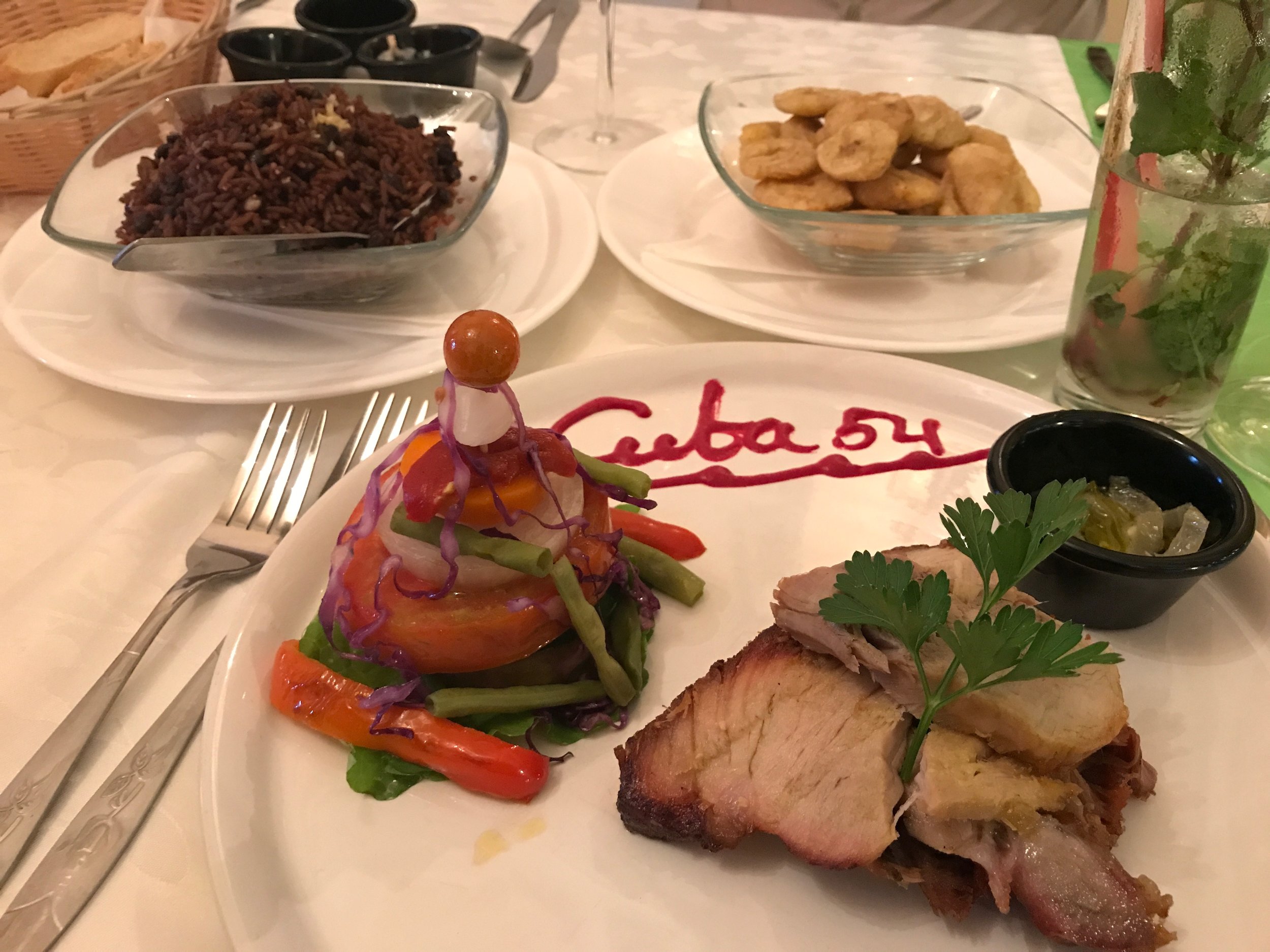
A dish of roast pork and vegetables in Havana
I was warned the food will be quite bland in Cuba. I found it to be quite flavorful. I think what people were trying to warn me about is that even though this is a Latin country, the food isn't super spicy like what you'd find in Guatemala or Mexico. Rice and beans come with everything and roast pork was the most common meat, but seafood was available and was quite fresh and delicious. If you have any kind of allergy or sensitivity to foods, you do need to be vigilant and repeat it again and again. I have a pineapple sensitivity (fortunately not life threatening) and there were a few times that even though I'd mentioned I couldn't eat it, it would find its way into a beverage or sauce.

Guess what is on my bread? Answer below.
Condiments are always fun for me to discover in different countries. I'm always fascinated by what is offered and especially what different communities like to spread on their bread. Of course no one can top my true love of Austria where putting "lard spread" on your bread is a thing, but many places still have fun and unique offerings. In Cuba, we were offered bread with a dish full of a very light colored spread. I thought it was some kind of butter. It was not. So imagine taking a bite of your bread and expecting butter only to get mayonnaise instead. It wasn't my thing. I need some meat or cheese to mingle with the mayo. Others in my group were delighted by it.
You Will See Illegally Caged Birds Everywhere.

Indigo bunting for sale outside of our hotel.
I'm going to write more about this later, but you will see a lot of illegal birds in cages. I started keeping a tally of all the indigo and painted buntings I saw in cages. I saw a bunting in a cage every single day I was in Cuba. There's a lot more going on here than people who simply want to profit from wildlife and it truly deserves it's own article. If this is something that angers you, be prepared for it.
The Most Common Bird I Saw...

Red-legged thrush.
I just realized that the only bird picture in this post was a bunting in a cage and I needed to add one of the many cool wild birds we saw. Red-legged thrushes are common and all over the friggen place.
What Can You Bring As Gifts?
When we asked about things we could bring to Cuba as gifts we were told anything sports related--especially jerseys or ball caps, nylons, thumb drives, coloring books and crayons.
The coloring books and crayons were met with a cool response. The thumb drives and sport caps were VERY welcome. The nylons...well, I wouldn't take garden variety panty hose. What Cuban women want are the sorts of things you'd purchase from Leg Avenue. I didn't want to be the creeper taking secret photos of women so I don't have photos to back this up, but what struck me was that the women in Cuba tend to flaunt what they have. The airport security were all gorgeous women in their twenties wearing fishnets and heels as well as form fitting shirts and skirts...kind of like something you'd find searching for "female security guard costume" on Amazon. At one of the banks where I exchanged money, the female manager came out who looked to be in her fifties and she also had the fishnets, short skirt, blouse as well as a corset over it. I was asked by Holbrook if our female cultural guide had been dressed appropriately because some tours had complained the women were dressed immodestly. I was a little irritated by this. Here's the thing--everyone dresses that way in Cuba and people from the US are coming to visit. I don't think the women of Cuba should dress for my comfort, they should dress for their own and we should deal with it.
When I was in Cayo Coco, I had hotel staff ask me outright for things I might be leaving behind. I was returning my beach towels and the towel girl asked me for any toiletries, dresses, skirts or shoes I might have, "Please, pretty lady, do not leave them in the room for the maids. If you, kind lady, could bring them to me here before 6pm, I will give them to my family." I felt like my Keens water shoes, convertible pants and spf 50 sunscreen would be a big disappointment to her.
When it was raining, no one had rain coats. Our cultural guide said that rain coats don't make it to Cuba...I may have left mine behind.
A couple of the guys in our group wandered a small town after a day of birding and met the local librarian who was happy to show the books he had collected from people around the world. And based on that, I would suggest finding Spanish translations of your favorite book and bring those down.
Another welcome item would be ibuprofen. Sure, there's socialized medicine in Cuba but we learned from many women that you need a prescription for it and pharmacies frequently run out. Ladies, many of us know how important that sort of thing is throughout the year. If you can spare your travel bottle at the end of the trip, it's appreciated.
If you can find a way to get to Cuba--do it. I would advise not cutting corners or trying to sneak in around the current US restrictions. It's a beautiful country and the people are very warm. I felt fairly safe walking the streets of Havana on my own. And if you're looking for a good company to travel with, I highly recommend Holbrook.
Digiscoped Images
Fresh Tweets
Would you like to hire me as a speaker for your event?
Email sharon@birdchick.com