Monday Morning Mistle Thrush

I'm sorting through my Kazakhstan mountain photos.  I found this video of a mistle thrush. I have such a love for mistle thrushes.  I'm not sure why, I think because I saw one in a field guide years ago and it tripped my trigger that there was a large grayish robin out there with a great name like "Mistle Thrush." [youtube]http://www.youtube.com/watch?v=AgBEgBRQQaA[/youtube]

This was a bird in the Kazakhstan mountains.  I like this video because I frequently tell people in bird programs that you can always tell a bird is about to take off because they poop right before they fly (to lighten the load).  This mistle thrush does it perfectly.

Friday Links & Updates

The cardinal that I found building a nest on my street last week has begun to incubate eggs.  I talked with the construction dudes and they said that the tree is not slated for removal.  They recently installed a light pole next to the tree and last night Non Birding Bill and I watched how she remained absolutely still while pedestrians walked right by the tree and the construction dudes laid down some asphalt.  I don't know how she stands the noise. I tried some fabulous shade grown coffee this week Birds and Beans.  Shade grown coffee is great for birds, it gives them habitat to feed and roost in when they are on their wintering grounds.  I visited some shade-grown coffee farms in Guatemala lat February and found many familiar birds living on them--indigo buntings, Wilson's warblers, Baltimore orioles, painted buntings, and western tanagers just to name a few.  The coffee came from Wild Birds Unlimited in Saratoga Springs in NY.  Give it a try, it's not too heavy and and has a smooth flavor--I had the medium roast, it had a chestnut-sided warbler on the bag.

It's a bad year for peregrine falcons in the UK.  According to the Telegraph, the Royal Society for the Protection of Birds has received 50 reports of peregrines found shot, trapped, poisoned or had their chicks stolen already this year, with more cases waiting to be processed.  Also disturbing is the discovery of a racing pigoen with a capsule full of poison attached to its leg. The RSPB blames "rogue elements" within the pigeon racing and game shooting communities, who blame them for the loss of their birds.

On the lighter side, if you ever wondered if birds fart, it's being debated over here.  theh debated started when a photographer got a photo of a myna and it looked like the bird's vent (butt) had feathers spread out as if air was passing through.  I think the splayed vent could also be explained as a cloacal protuberance (aka bird boner).

The American Bird Conservancy has been pushing for Cat Indoors! for years for the safety of wild birds since cats are an introduced predator (and considered a loss of habitat) but many cat owners refuse saying that they love their cats and don't want to deprive them of the outdoors.  Well, if you love your cat, you might want to reconsider having them outdoors.  The Journal of Widlife Management now says that cats are a prime souce of food or coyotes:

"We observed 36 coyote–cat interactions; 19 resulted in coyotes killing cats. Most cats were killed in residential areas from 2200 hours to 0500 hours during the pup-rearing season. Single coyotes were as effective killing cats as were groups (>1) of coyotes."

And if you are thinking, "Oh, I don't have coyotes in my neighborhood," you might want to read this story about a man who studied the urban coyote and found that up to 2000 live in Chicago, IL.

David Sibley has made his field guide available online...how much longer until he becomes an iPhone application?

The McAllen Chamber of Commerce's Convention & Visitor Bureau is looking for a "McAllen drink." You create a drink and send it to their website. I think it would be fun to come up with a drink that represents the great birds in south Texas.  Think of the possibilities for names:  The Screaming Chachalaca, the Roseate Spoonbill, Kiskadee Sunrise??  The girl drink potentail is endless!

Cornell Lab of Ornithology is looking for people to help out with their CamClickr website.  They have live cameras positioned at active bird nests all around the country. Since 1999, they have archived more than eight million images from these NestCams. To help sort through the images, they developed CamClickr—an online tool you can use to view the images and sort them into albums, then tag each image by the type of behavior you see: preening, eating, feeding chicks, etc.  Looking for a way to fill some downtown or want to volunteer for some bird research without spending a lot of money on gas--or better yet, want a way to get your kids involved in nature and put their mad computer skillz to good use--give CamClickr a try.

And to end on a weird not, The Birdcouple had a gruesome yet fascinating story on their blog on how people figured out the birds migrated rather than burrow underground or turn into mice in the winter.

Some Phalarope Fun

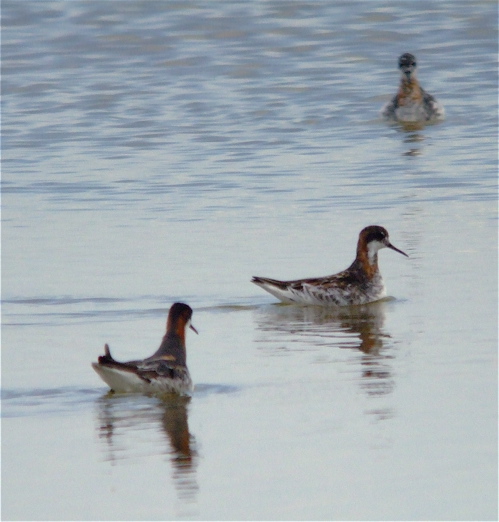
Not ND. Kazahkstan Red Phalaropes

I found some phalarope photos that I had forgotten about.  These are some red-necked phalaropes that we saw on the Steppes in Kazakhstan.  When you are learning shorebirds, phalaropes are ones that can be easy to distinguish from the others, they have a unique shape, can be quite colorful and they are just plain fun to watch.  They spin around in the water kicking up sediment and food below.  No matter what country you are in, you can spot that spinning characteristic easily if they are around.

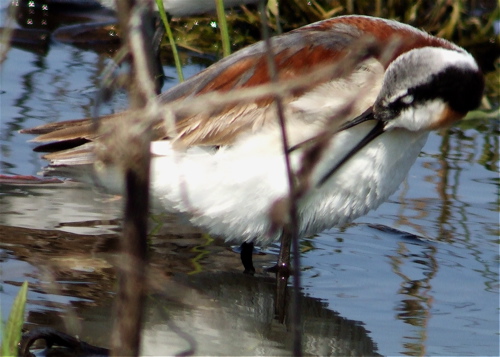
preening female phalarope

Plus, phalaropes are so pretty, look at that burgundy highlighted with delicate gray and white, touched off with some black.  Above is a Wilson's phalarope seen in a pothole just outside of Arrowwood NWR in North Dakota during the Potholes and Prairie Bird Festival.  That's a great thing about North Dakota, just driving to your destination will reveal great birds.  We couldn't get into the NWR because of the flooding, so we just drove around it and in the puddles were birds.  I was with my friend Katie and she would pull the van over while I sat in the back, opened the side door and digiscoped the phalaropes.  Birds tend to not mind vehicles, just what comes out of a vehicle.

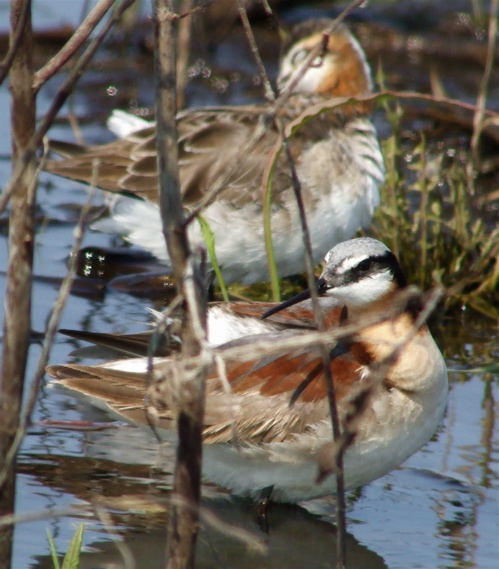
Pair of Wilson's Phalaropes

Here's a pair of Wilson's phalaropes preening. If you are not familiar with phalaropes, you might think that is the male in the front of the pair.  It's not, that's the female.

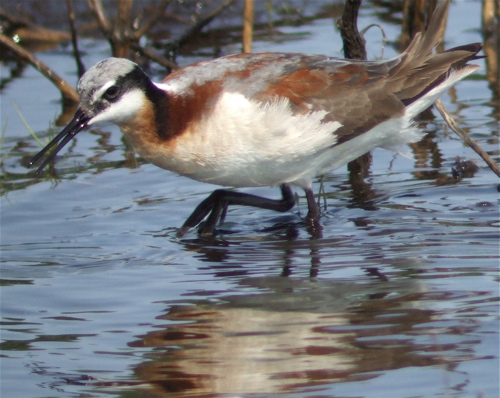
wilsons phalarope female

In phalarope world, you have a great term to use that you can impress your friends with at parties: reverse sexual dimorphism.  The females are more colorful and they pursue the males.  They defend a territory and once they have attracted a male and mated, she lays the eggs and heads south to get a head start on migration while the males stays behind to incubate the eggs and raise the young.

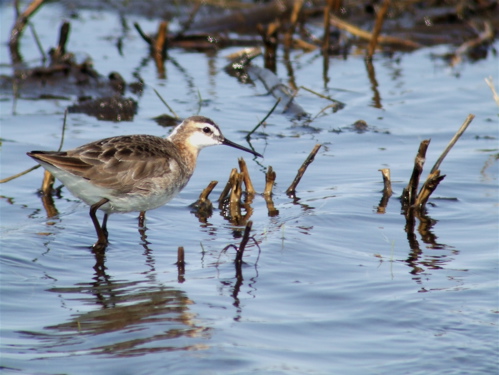
Male Wilson's Phalarope

Here's a shot of just the male, he is not colorful since he's going to be the one sitting in one spot to incubate the eggs.  It's interesting that the female doesn't partake of any of the chick rearing duties.  She doesn't bring food to the male while he incubates, she doesn't give him a break, nothing.  It's wham, bam, thank you ma'am, she lays the eggs and then says, "See ya!"

I wonder if female phalaropes ever get guilt for putting their migration before their offspring?

Playing With The New Swarovski Digiscoping Adaptor

Now that spring migration has settled down a bit, I can talk more about Kazakhstan.  I took out a group this weekend for some birding and one asked, "Why did you go to Kazakhstan?" There were several reasons, the biggest was that I have always wanted to go ever since I read about the country years ago.  It sounded wild, remote and untamed.
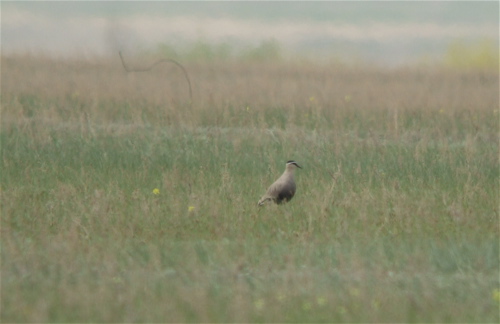
sociable lapwing

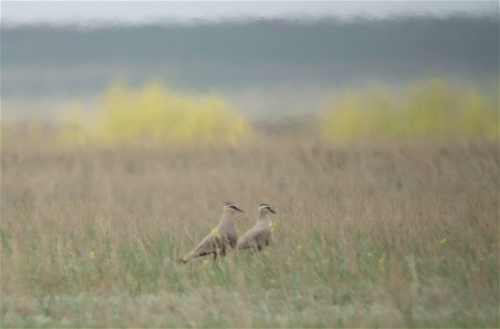
The other reason was a bird called the sociable lapwing (kind of a very snazzy killdeer--seen above).  Swarovski Optik is a species champion of this bird through BirdLife International.  It's a bird population that has dramatically declined in recent years and is of great concern.  It's not certain what the original population was on the Steppes of Kazakhstan.  There was a count of 5,000 birds in 1990 and another count in 2002 put their numbers at 1200 in 2002.

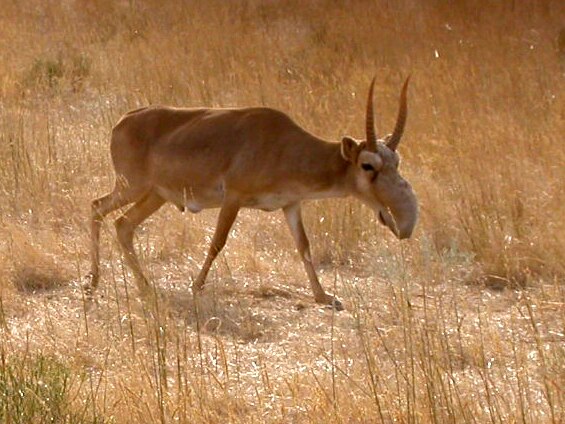
Current research suggests that the decline of the sociable lapwing is due in part to unevenly grazed habitat.  Sociable lapwings used to live among ungulates known as saiga (do click on the photo of the saiga, that is one crazy looking ungulate). As the saiga declined, so did the sociable lapwing numbers.  Incidentally, there were about 2 million saiga on the Kazakh Steppes in the 1950s, but a dramatic decline hit in the 1990s because of poaching--Saiga horn is used in traditional Chinese medicine as a fever cure.  The lapwings apparently really liked the way the Saiga grazed the grasses to make watching for predators good for them when they are nesting.
bird life international kazakhstan

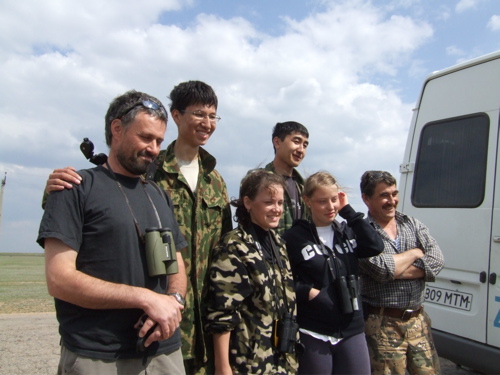
Swarovski and BirdLife International has made it possible for teams of locals to come out and monitor the lapwings, work with the locals to appreciate the birds and hopefully avoid the nests, and to work with cattle owners to graze in a way that mimics saiga grazing and is favorable for the lapwing.  Note the young faces who are part of the Kazak research team, it's local people working with their birds and their communities, not a bunch of foreigners coming in and telling people how to manage their land.
new swarovski adaptor

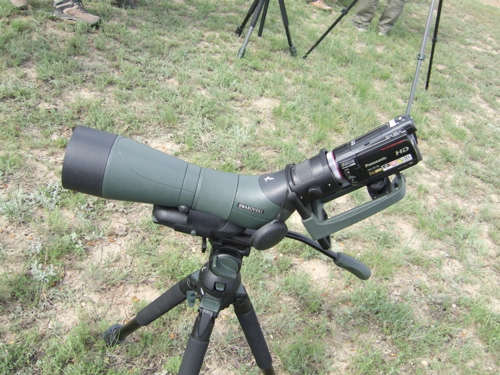
Swarovski is also coming out with a new digiscoping adaptor called the UCA.  It's a bit more universal in the sense that many different cameras (even small video cameras) can be attached to the scope and it slides off easily.  When we were taken to the sociable lapwing area, we were asked to test out the new adaptor.  I have to admit, being on a trip of a lifetime and seeing unbelievable life birds, that last thing I wanted to do was learn a new adaptor for my camera and scope.  But it was surprisingly easy to figure out.
remote birders

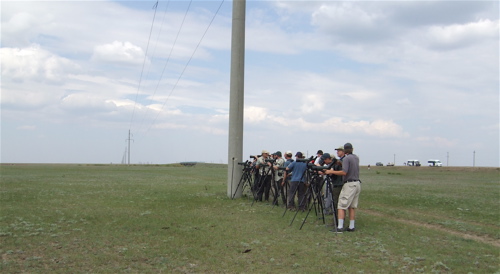
Now, the challenge became how to get twenty some odd birders close to skittish ground nesting bird when there isn't a lot of cover.  I don't think we were all that sneaky behind that power pole.  The researchers had us march in a single file line towards the lapwings, but the rightly suspicious birds just kept walking in the other direction.
sociable lapwings

We had to be careful, because the females easily flush of the nest and the research team did not want to risk losing one valuable nest of this declining bird.  We were getting great looks at the birds, but they were too far away to get great photos.
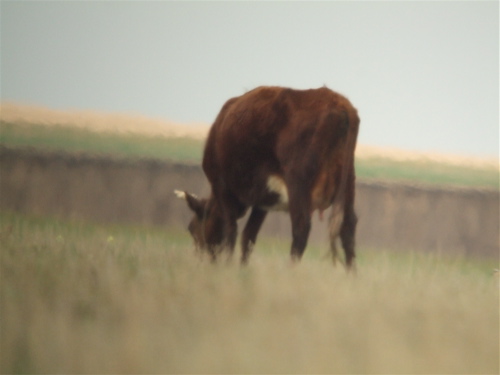
heat shimmer cow

Plus, heat shimmer was really starting to become a factor.  The area behind the cow looks like a van Gogh painting.  I even took a video and it looks like a raging forcefield is behind the cow.  You'll note that a lone man walks behind the cow, apparently oblivious to the rare and sensitive birds nesting around him.  That's part of the research team's job is to work with locals and let them know about these cool birds and hey, maybe don't walk right through their nesting territories right now.
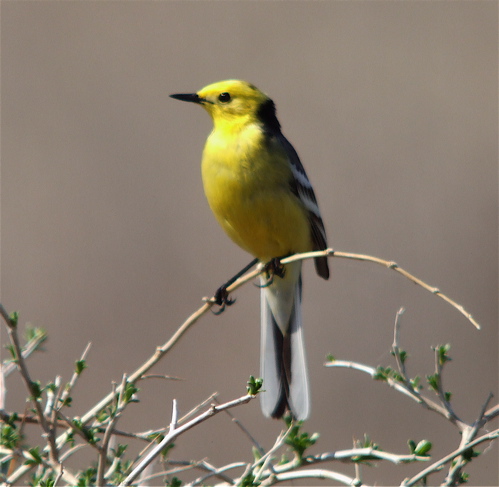
citrine wagtail

We went out in search of other birds around the Korgalzhyn State Natre Reserve with the adaptors and we were able to get some cool shots.  Above is a citrine wagtail--isn't that a fabulous little yellow bird and so accommodating to perch out in the open.
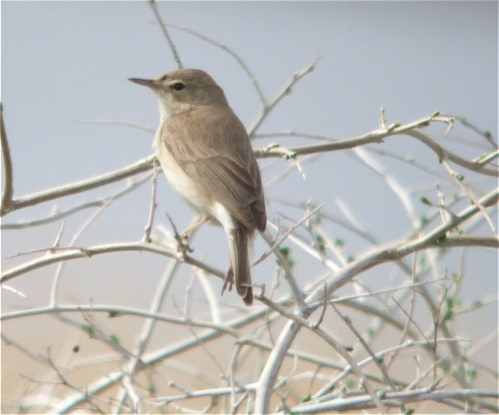
a warbler

I was even able to digiscope a warbler with the new adaptor--and those aren't easy.  I have to say, warblers over in Europe and Asia aren't anything like our warblers here in the Americas.  Above is a booted warbler and it pretty much looks like all the other Euro warblers: small, brown and fairly non-descript.  Other warblers you can see over there are reed warbler, Hume's warbler, and Savi's warbler--brown, brown, brown.  I'm used to prothonotary warbler and blue-winged warbler.  I'll never complain about fall warblers in North America again.  Even an orange-crowned warbler in the fall is more colorful than a booted warblers.
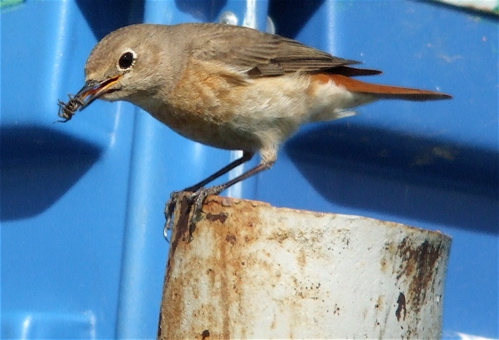
kazakhstan redstart

I also got some amazing shots of a female common redstart...they look a bit different than our American redstarts.  It's not a wood warbler like what we see in North America, it's more like a flycatcher.  The males are quite snazzy, but so are the females with their red tails.  Since she was so accommodating, I thought I would get some video of her with the UCA.  My Fuji FinePix E900 does video as well as photos:

[youtube]http://www.youtube.com/watch?v=WptkbSWFwiI[/youtube]

While on the preserve, we also found a nice mudflat to check out for some waterfowl.
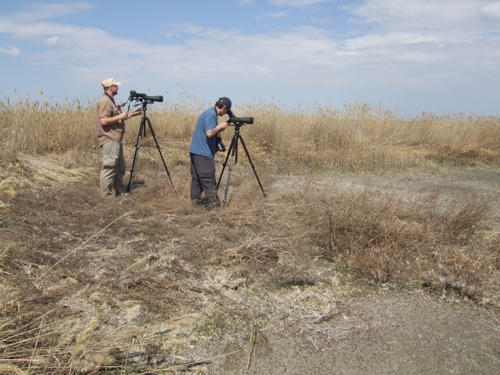
kazakhstan mudflat

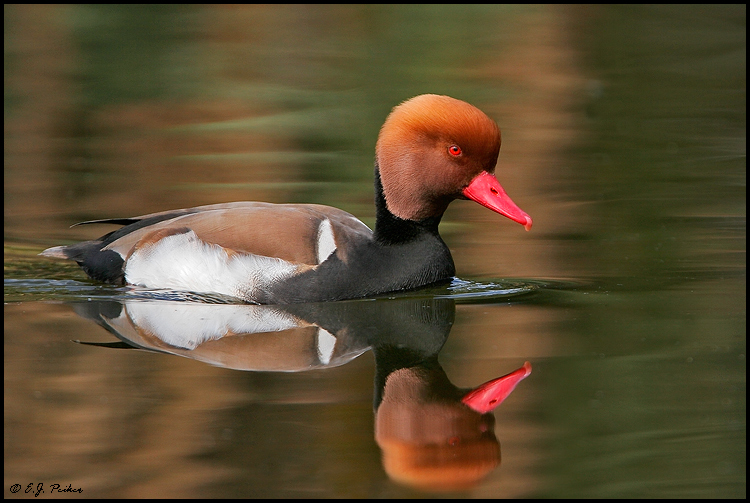
Above is Corey from 10,000 Birds and Dale from Discovering Alpine Birds getting some shots of the ducks and shorebirds.  Some of the species we saw included spotted redshank (gotta love a black shorebird), red-crested pochard, white-headed duck, and white-winged black tern.  There were some familiar birds too.  I heard gadwalls calling and I went to grab my cell phone (gadwall is one of my ringtones).  Then I remembered that my phone didn't work in Kazakhstan and looked overhead.  There were three gadwalls flying over--ah the familiar in a strange land!
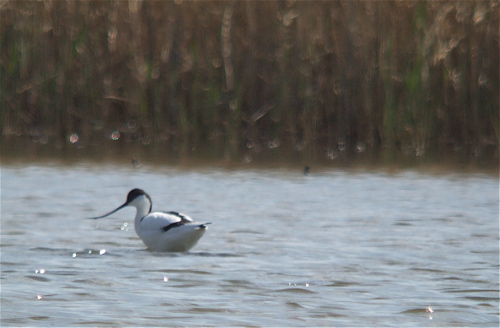
stilt

We also saw black-winged stilts and pied avocet (that's the avocet pictured above, distinctive with their long, upturned bill).
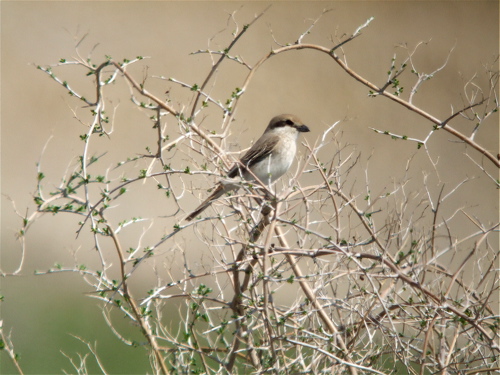
kazakhstan shrike

As we ended our time on the Kazakhstan Steppes, an Isabelline shrike popped up.

I was surprised at the photos I got using the new adaptor that I had not worked with before in a place where I was unfamiliar with the birds.  I don't think I will trade in my DCA for digiscoping with my Swarovski scope, but if my current camera craps out and the next one I get does not work with the DCA, I could see myself using a UCA.  It's a bit larger, so doesn't fit in a pocket as neatly, but it is light in weight could be hooked around a finger.

Mourning Cloaks All Over The Freakin' Place

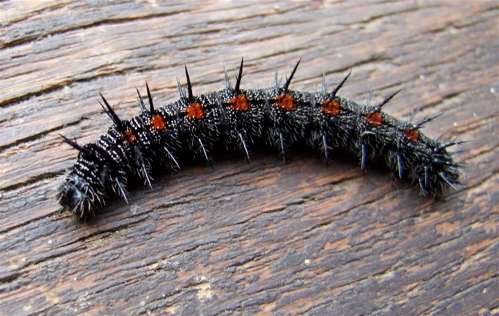
mourning cloak caterpillarMy goodness, those mourning cloak caterpillars pupated quickly!

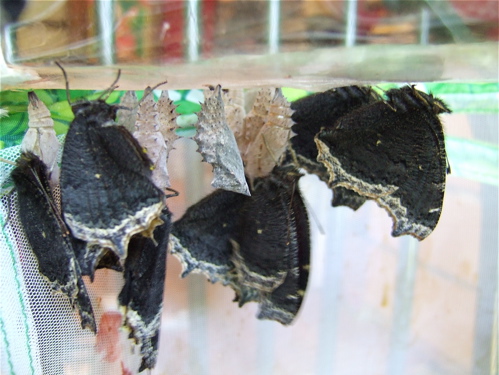
drying butterflies

Less than two weeks after gathering a whole boat load of mourning cloak caterpillars on the bike trail, the all emerged at about the same time.  I was engaged in a phone meeting when I looked over and saw all the activity unfolding in my butterfly ranch.  I had to suppress my excitement, not every adult understands a big girly scream of delight at watching butterflies emerge.

butterfly parasite

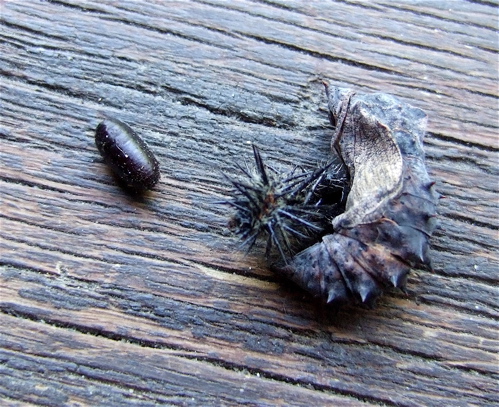
All told, of the 13 caterpillars I picked up, 11 emerged into butterflies.  One never emerged and one ended up having parasites.  I noticed that particular caterpillar didn't crawl as much as the others and ended up forming it's pupae on the ground of the ranch, rather than on the ceiling like the others.  I had meant to toss it, fearing that being on the ground would lead to deformation in the pupae.  When I went to throw it away, I noticed the all too familiar pods of flies next to the pupae.  I flushed them all.

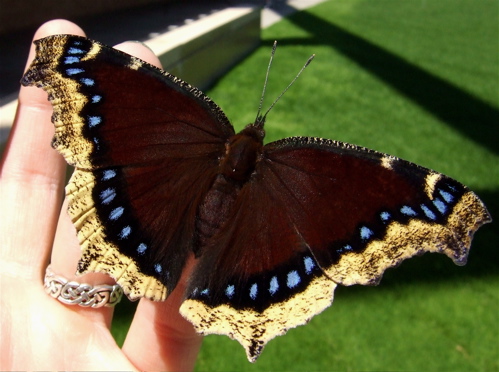
mourning cloak butterfly

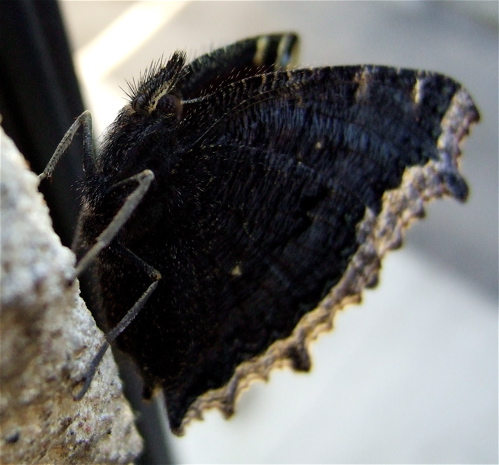
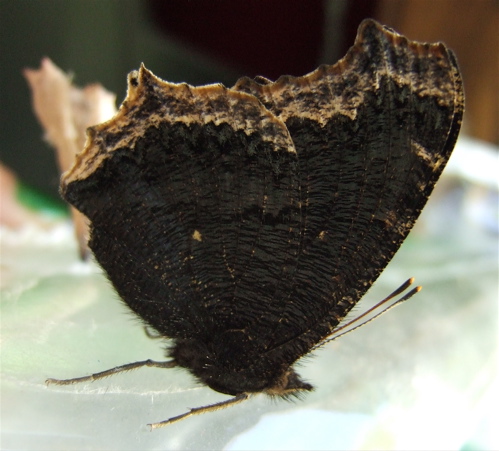
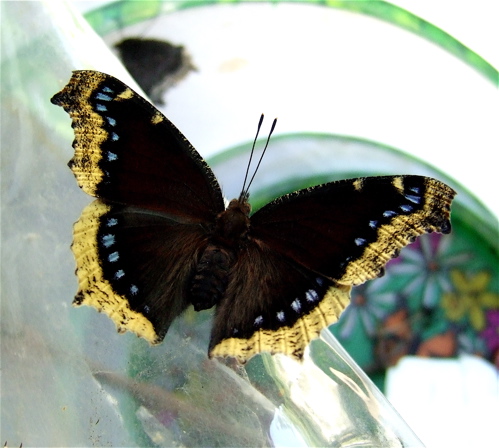
I was most excited to get photos of the mourning cloaks that emerged--isn't that a dynamite looking butterfly?  They are my favorite butterfly, but they are so flighty outside, I rarely get one in the right position to get a photo of their fabulous and subtle colors. They are still a bit groggy as they dry out, you get to spend lovely little moments with them, studying all their detail, color, and beauty they would normally hide from what they think would be a potential predator.  This is another creature that makes me wish I could paint.  Again, I wish I could just spend a few hours getting lost in the color and patterns on the wings, examining the fine subtle texture of the wings.

butterfly face

Look at that face, the intrepid face of a butterfly about to take on the world.

take off

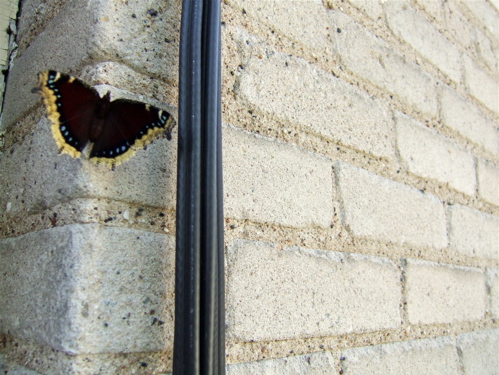
I had to go to work at the park service during the day and some of the mourning cloaks were still emerging and not quite dry, so I took them with me for release there. There are plenty of plants for them to nectar on around the building.

dark butterfly

This is one of the longest lived butterflies.  I was trying to read more about them on the Interent.  I found at Butterflies and Moths that after they emerge they feed briefly, estivate until fall, when they re-emerge to feed and store energy for hibernation...Okay, if you are like me, you are wondering, "What the heck does estivate mean?"

building

Well, "to estivate" is kind of like "to hibernate," it's just so darn hot, they lay low until it cools off.  Then the mournin cloaks will feed again and then hibernate through the winter, wake the following spring and start the process all over again.  No wonder they can live so long--they're sleeping most of the time.

black butterfly yellow edge blue spots

So, the butterflies are off the the world, it was cool having them pupate in my kitchen for a few days.  Here's a video of some of them taking off.  The pump up their wings and then off they go.

[youtube]http://www.youtube.com/watch?v=5FLz6bc9eSE[/youtube]

Cardinal, What Are You Thinking?

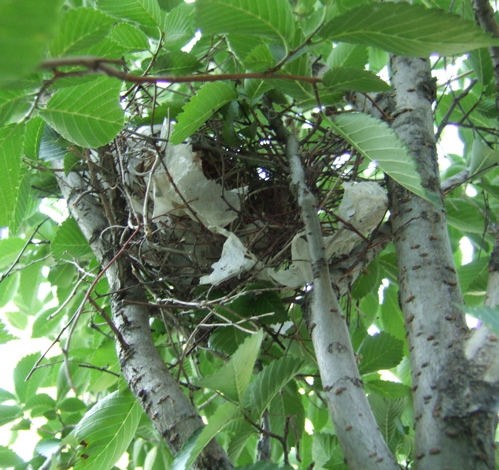
We split a CSA share with our neighbor Zoe.  The other day I was dropping off her half of the tasty fruits and vegetables when I heard a cardinal chip nearby.  I could tell the sound came from the small tree next to me on the sidewalk, but thought it strange that the cardinal ceased moving or chipping.  I stepped inside my apartment building and waited.  I watched her fly from the tree and stepped out to look in the tree.  She had started a nest. cardinal nest

What's strange is that our street is under some heavy construction all summer long.  She has stared this nest amidst all the noise, drilling, and pounding.  I noticed the start of the nest on Thursday and took the above photo today.

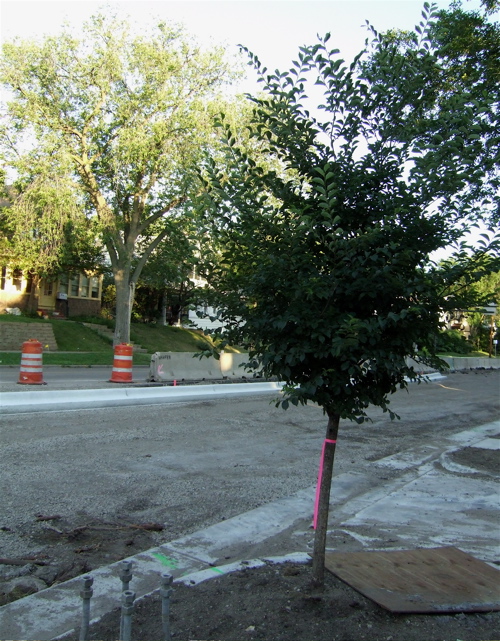
tiny treeWhat concerns me is the pink tape at the bottom of the tree.  Is this tree slated or removal?  They have already moved one large tree on my street.  I think I will talk to the construction guys tomorrow about the tree.  If it's slated for removal in the near future, I may remove the cardinal nest.  Better to destroy the nest before there are eggs and young.

However, maybe the tree is safe from the chopping block and we'll get some interesting cardinal stories this summer.  I've never seen a cardinal nest is such a small and sparse tree.  We have some great tangles of hedges and bushes in our neighborhood in much quieter spots, I'm very surprised she chose this tree.

Friday Links!

First up, an oldy but a goody of videos that make the rounds on the Internet, but with the passing of Michael Jackson, it's worth a replay.  The Moonwalking Birds (aka red-capped manakin): [youtube]http://www.youtube.com/watch?v=i-wtO7pjJKk&feature=related[/youtube]

Yes, this bird does actually move like that, manakins do all sorts of funky moves or mating.

2009 Duck StampMedslah

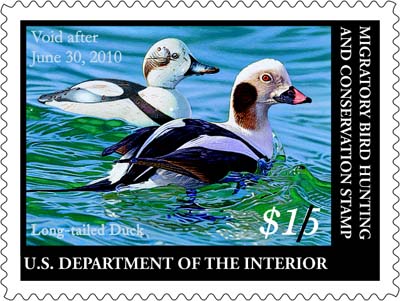
Big news! The new duck stamp is available (buy it today) and it's one of the most economical (all the way around) things you can do for bird in the United States. Stamp money -- 98 percent of the $15 cost -- is used to purchase and lease land for national wildlife refuges and waterfowl conservation areas--and it's not just ducks who benefit from this: shorebirds, raptors, warblers, native sparrows, buntings, grosbeaks, etc.  This is not just something hunters need to buy, this is something birders should buy.  It's relatively cheap, and how can you argue with 98% of the $15 going directly to habitat acquisition?  Plus, the stamp is really pretty this year, purchase one today and use it as a gift for friends (especially those who have everything).

Andrea Lee Lambrecht is looking for a nesting red-headed woodpecker near Duluth, MN.  She has a confirmed sighting at St. Croix State Park, but no known nest hole.  If you know of a nest site, please let me know ASAP by contact her at andreal at umn dot edu (don't contact me).

People raising wild birds without the proper permits (or training) are in the news.  One is the "bird lady of Fargo" who was forced to shut down her operation of taking in wild baby birds without the proper permits or training.  This woman obviously did not know much about what she was doing or bird health--she has several parrots, if you are a rehabber, you keep wild birds far away from your pet birds because of the risk of spreading bird diseases.

Another story was a young man found with 53 baby birds in his room.  No one is sure why he took in so many, it is believed he robbed nests of birds like swallows, bluebirds and sparrows.  Two thirds of the birds are dead because they were fed the wrong foods and not kept warm enough.  I'm wondering if this is a kid who is really into animals, maybe has read things like the yearling and just wanted to do it himself.  I'm not sure, but I hope his interest in birds can be redirected.

Speaking of helping birds, a very lucky double-crested cormorant got a helping hand in New Jersey.  Don't worry, despite the freaky photo, there is a happy ending.

Rare birds aren't often a big reason to be in this blog, but this is a really cool bird for my home state.  A roseate spoonbill was observed in Indiana--and even photographed.  Go, hoosier birders!

Don't forget that there is still PLENTY of time to enter the Swarovski Digiscoper of the Year Contest. You have nothing to lose and a pair of ELs to gain.  Get out and take some photos.  You don't need your own scope, you could try it out with someone else's scope.  If you need help with digiscoping, I'm giving a digiscoping program (and we'll put it into practice) at Carpenter Nature Center on July 25, 2009.

And finally, if anyone is going to be at CONvergence next week, I'll be around for a couple of programs.

Friday, July 3 at 11am, I'll be doing a non birding panel discussion with Mary Jo Pehl--we're going to talk about our fascination with TLC (The Learn Channel).  Is it learning, or is it just channel?  If you look at the shows: Half-ton Mom, I Eat 36,000 Calories A Day, Face Eating Tumor, My Enormous Foot, Mermaid Girl, The Man Who Turned Into A Tree, etc, you begin to wonder, are we learning with this channel or is it like a traditonal freak show and we are given premission to watch and stare in the comfort of your own homes?

Saturday, July 4 at 2pm, my buddy Amber and I will give a program with live birds from The Raptor Center, it's a bit more of an informal program, but fun all the way around.  Bring your camera and your deepest, darkest bird questions--we'll answer them!

Birds and Beers

The next Birds and Beers will July 9, 2009 at 6pm at Merlin's Rest. Birds and Beers is an informal gathering of birders of all abilities–if you’re interested in birds, you’re invited. You can meet other birders–maybe find a carpool buddy, ask about where to find target birds, share cool research projects you might be working on, ask a bird feeding question, share life lists, share some digiscoping tips, promote your blog–the sky is the limit. It’s low key and it’s fun.

One thing will talk about is having the next Birds and Beers on a Mississippi River boat.

UPDATE! Eagle Attacks Remote Controlled Plane

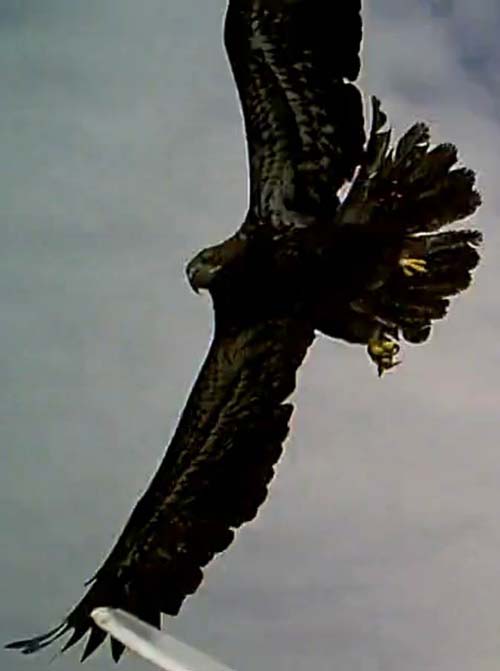
Amy linked to a really interesting video on Twitter last night. Here's a video of an eagle attacking a remoted controlled plane.  I'm trying to figure out what type of eagle it is.  It looks "booted" (has feathers that go all the way down to its toes) which would suggest golden eagle, but the feather pattern looks more like a juvenile bald eagle...and now I wonder where this video was shot.  Is it from Europe or Australia?  What species of eagle could this be?

[vimeo]http://vimeo.com/5051228[/vimeo]

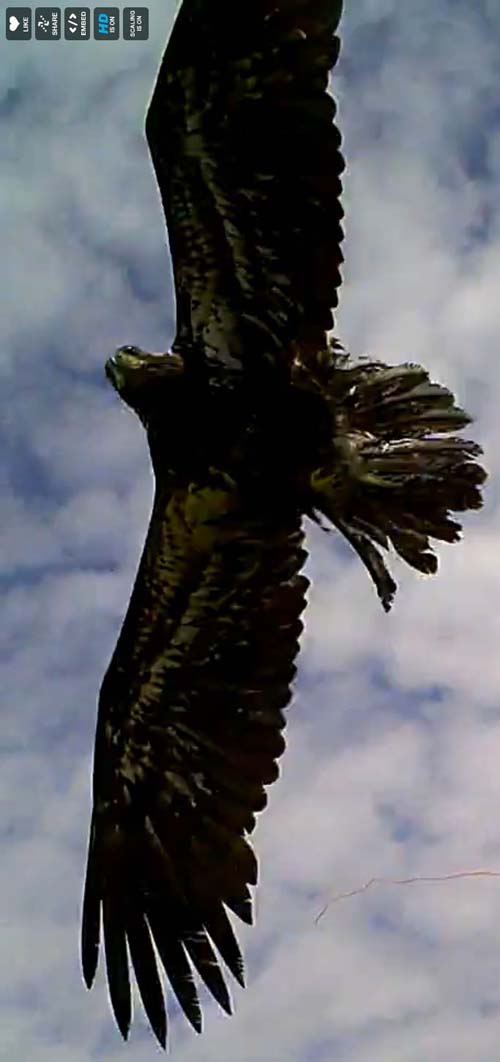
UPDATE: Thanks to blog reader Roy Harvey, we have some great stills of the eagle in question:

SomeEagleOrOther

Note the white "arm pits?"

SomeEagleOrOther2

The pattern of white ont his bird looks like of like a Jackson Pollock painting, it has white armpits, and it looks like the video is from the Washington state area--it's an immature bald eagle.

I suppose a golden eagle really would have taken the plane down.

More on Los Andes in Guatemala

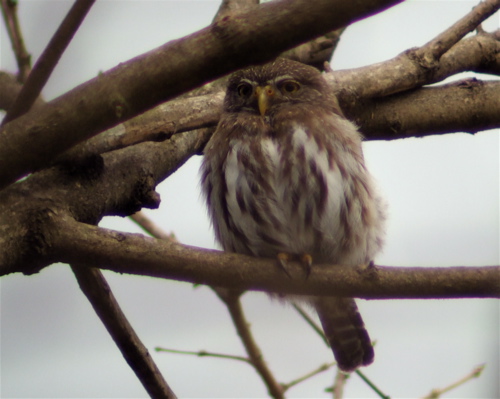
pygmy owl Look at this pygmy-owl outside of Los Andes lodge! This one perched right out the front door. There was some debate as to whether this was a ferruginous pygmy-owl or mountain pygmy-owl. The debate seemed to center around the spots on his head. Ferruginous pygmy-owls should have streaks, mountain pygmy-owls should have more spots. To me, it looks streaky. Bottom line, it was a tiny owl.
ferruginous pygmy owl

Pygmy-owls were all over the place in Guatemala, this was a pygmy-owl that was spotted as our bus was passing through a small town. You know how in the US, some people will try to whistle like an eastern screech-owl, in Guatemala, birders whistle like pygmy-owls to get smaller birds to come in closer. One day our group saw a yellow-wing cacique fly over. In trying to get it to come back, someone in our group started the pygmy-owl call and I noticed something small and brown fly up to a telephone pole with a hole. At first I thought it was a wren, but it was a ferruginous pygmy-owl--we actaully called one in.

guatemala sunrise 1

How's this for a Guatemala sunrise? This was just off of the organic tea farm at Los Andes Private Nature Reserve. The tea is bordered by cloud forest where resplendent quetzals can be found. I'm generally not a fan of early rising (I know, I know, I'm a birder, I'm supposed to enjoy getting up in the dark, but I don't). However, when I'm forced to get up, what a treat to get a fabulous sunrise.

sunrise volcano

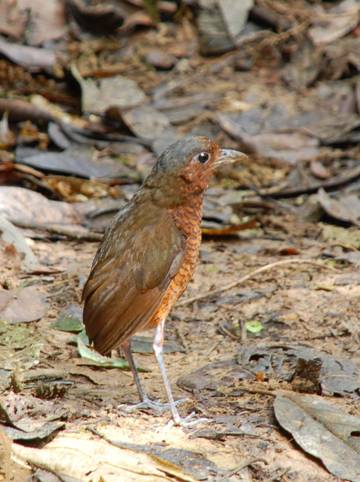
Here's a zoom in, you can see the puffs of smoke coming off the volcano--beautiful. We took our time walking in to the forest, many birds were already singing. I mentioned early on that digiscoping was a challenge in Guatemala--digiscoping in the tropics is hard work and this was a trail where I had to make a decision: spend a few wasted seconds trying to get the camera an scope lined up, or use those precious seconds to enjoy the bird. One was an antpitta, I can't think of any way to describe it but maybe, combine an American robin and a nerf football with long legs. It was a bird I expected to only hear and not see, but as our group made it through the forest, one was walking along the path searching for food. What a treat to see this secretive brown bird.

organic tea farm

Here's the view of the tea farm outside of the forest with the quetzal. This was a cool spot to stand in and just watch birds go by.

quetzal nest box

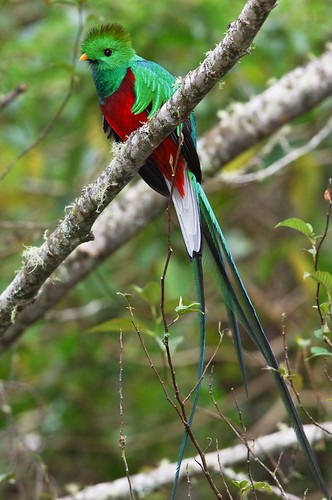
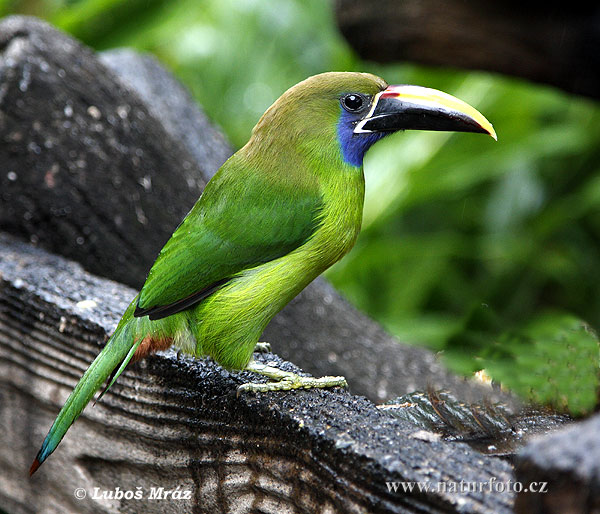
We searched this forest more than once for the quetzal but I only heard it, I did not see it. I heard two different versions of quetzal sounds. One was a rather pleasant, almost ticking call. The other scared the crap out of me. I found a very distant version of it on Xeno Canto, you'll hear this kindy of shrieky gobble, that's what I heard, only it was right behind me and ten time louder. I literally ducked when I heard it. Alas, did not see the quetzal, but we saw their nest boxes scattered about. We saw so many other birds including azure-rumped tanager, emerald touchanette, blue-crowned chlorophonia, and collared trogon that I could live with living to see a quetzal another day.

los andes guatemala

They did have resplendant quetzal tail feathers on display at the lodge. I stood next to one to give some perspective as to how long their tails can get. I'm five foot and that tail is over half as long as I am.

quetzal car

I should mention that the road to the quetzal area is quite adventurous. Our group was packed into the pack of this truck and we had to stand...I had to be careful where I stood. My head was at the top bar level and if I stood in one of the corners, I would end up hitting my head.

quetzal road

The ride is about about twenty minutes long on what I would call minimum maintenance roads...and the above was about as flat as they got. There were curves and hills and large rocks and we were bounced all over in the back. It was nerve racking enough to watch when it was daylight and even more so when it was dark--our drivers were great, they knew how to drive on those roads, but to me who is not used to those types of mountain road--it was exciting. But the upside of when it was dark was that we'd periodically stop for pauraques sitting in the road, I'm sure they followed our vehicle a bit as toddled down the road, going after insects kicked up.

I have to get back to Los Andes. At least to see the quetzal, but also because it's a cool place.